Françoise Spiekermeier
Porquerolles, the legendary island of the Côte d'Azur
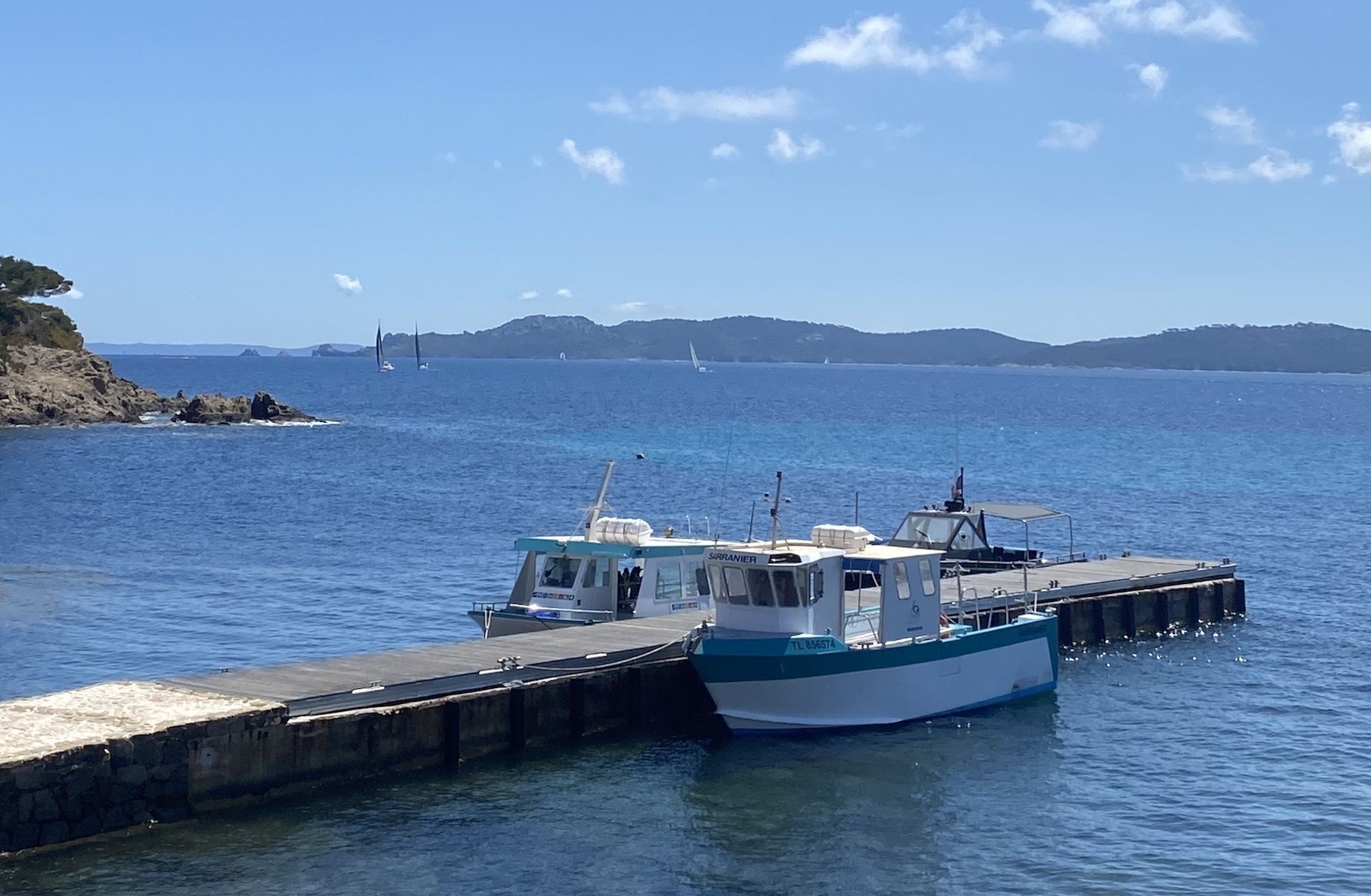
As evening falls off the coast of Hyères, the last ferry heads for the mainland. It won't return until morning. From then on, calm settles in. The scent of eucalyptus wafts through the air, pétanque players stream into the village square, children walk barefoot along the harbour...
The island is reborn to itself. Still wild, protected by the Port-Cros National Park, Porquerolles invites you to forge a strong bond with nature.
Deserted coves and fine sand
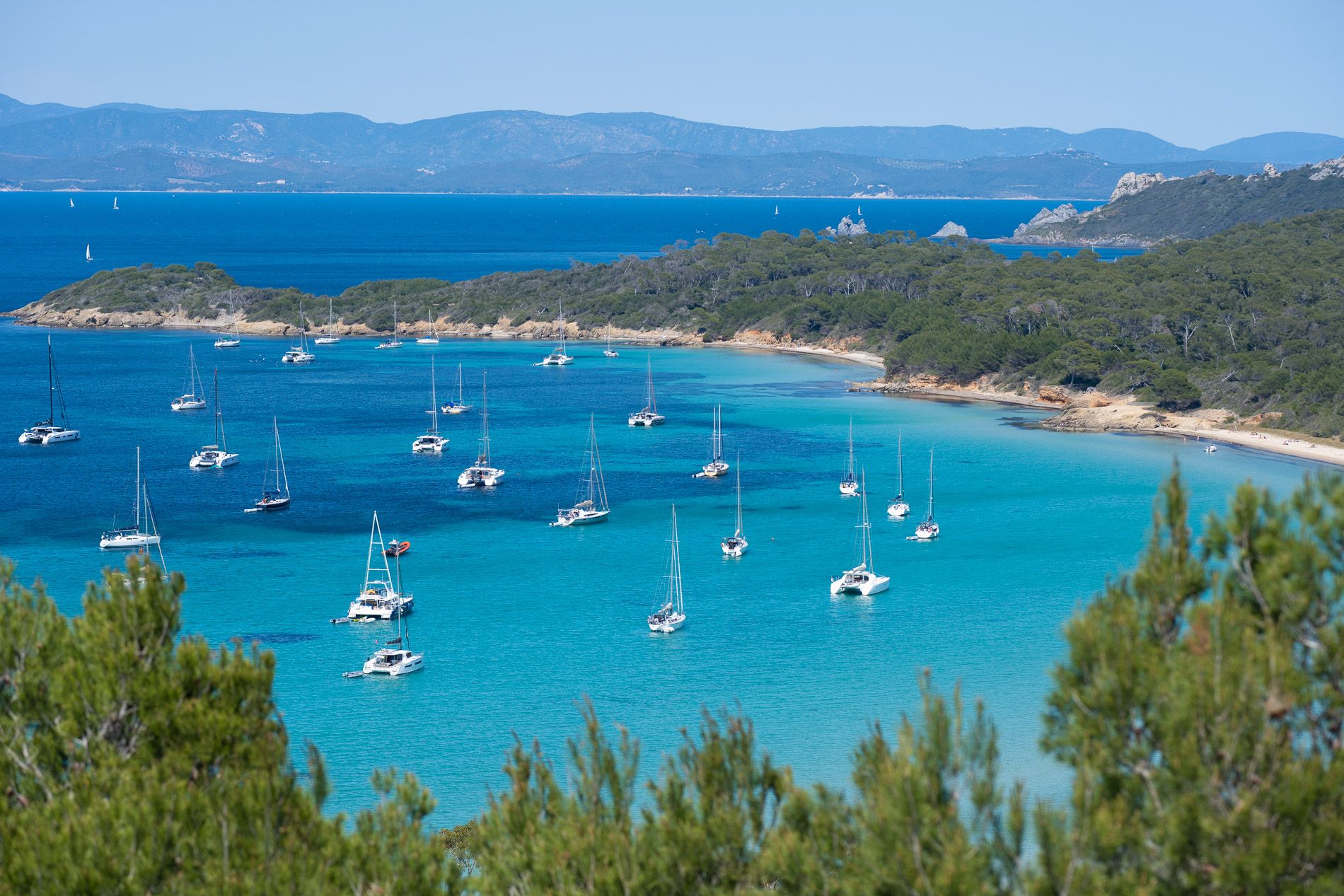
Seven kilometers long and three kilometers wide, Porquerolles is a drifting dreamland, far from inhabited lands, miles from the sounds of humanity, where the whales meet. In this special intimacy, Porquerolles invites you to weave a happy complicity with plants, trees, birds, dolphins and the wind. The natural elements come together to heighten our senses. Between dog and wolf, at sunset, we go to the beach, we dive intodeserted coves, we roll in the fine sand, far from the gaze of the world.
It's a real privilege to be able to stay there. You have to make arrangements well in advance. Some residents make their boats available for overnight stays on the water, without leaving the harbor. With a bit of luck, a floating room for an evening or two is fun.
The legend of the Golden Islands
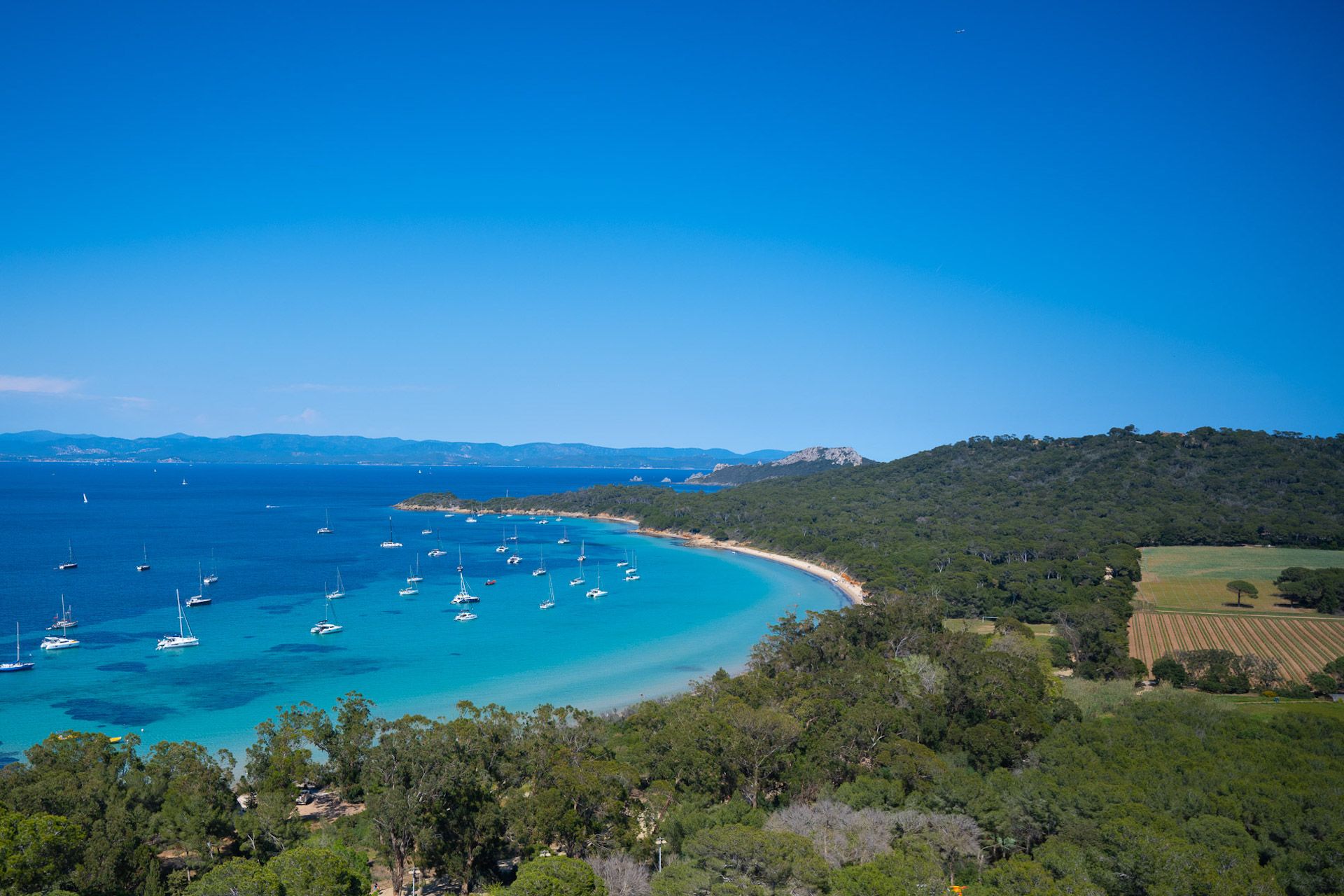
According to legend, there were four of them, four princesses, each more beautiful than the last, all watched over by a loving father. When lawless pirates approached to save them, he set them in stone for eternity. Port-Cros, Le Levant, Giens - linked to the mainland by a spit of sand - and Porquerolles: these are the Golden Isles...
Named Proté, "first", by the Greeks, it was a stopover for sailors on their way to Corsica. Europe's first national park on both land and sea was created in 1963 to protect the archipelago's natural beauty, on the initiative of a woman in love, Marceline Henry, who had taken refuge in Port-Cros with her lover.
The Carmignac Foundation and Miquel Barcelò's Alycastre
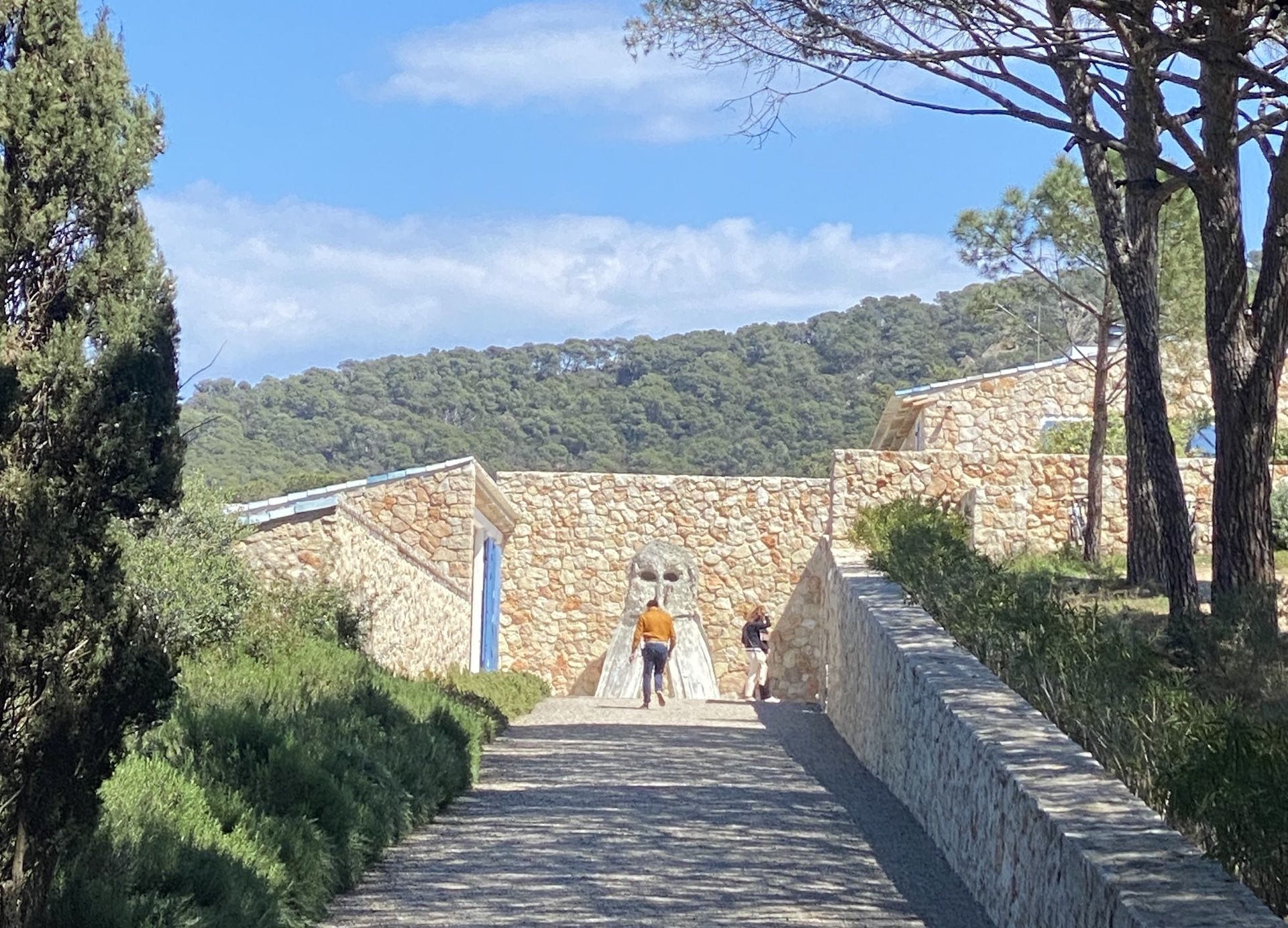
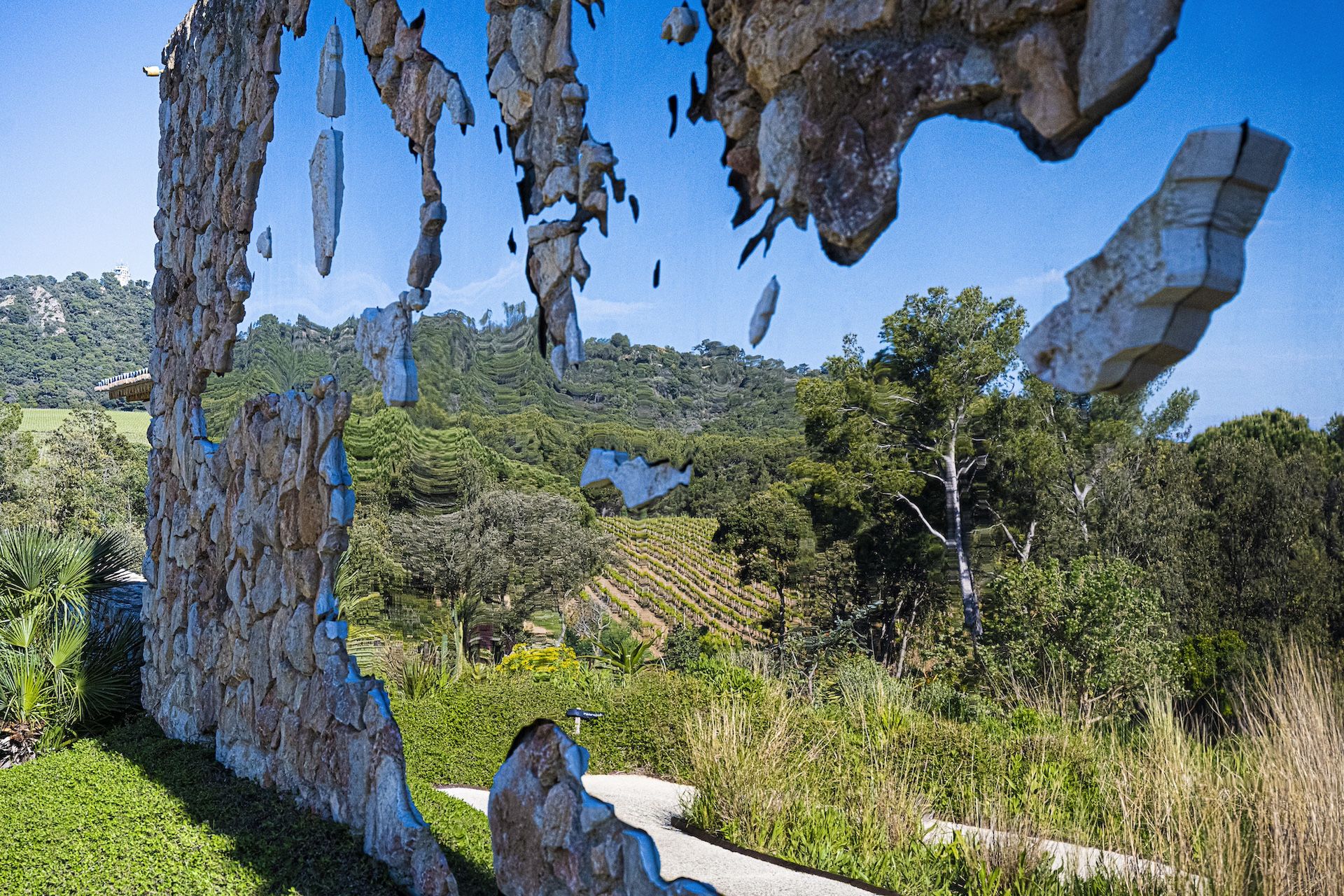
According to another legend, Ulysses, during a long voyage, landed on its shores and struck down the Alycastre, a fearsome sea dragon that struck terror into the hearts of the villagers. Today, you can still see the monster: it sits enthroned on its two giant palms, at the focal point of the driveway leading to the entrance of the Villa Carmignac. A work by Spanish artist Miquel Barcelò, commissioned by the Fondation Carmignac, which has put the island on the map of France's must-see art locations, the imposing bronze sculpture is also a tribute to the pirates who haunted the caves hidden in this large rock.
An island born of a dream
Everything here speaks of the past. About an eventful history, about the love between a man and a woman who built a utopia together, with the help of a handful of others from all walks of life. Their dream? To found a self-sufficient community operating in perfect autarky. And to live in paradise without depending on anyone. Pioneer François-Joseph Fournier had discovered enough gold and silver in Mexico to give his wife Porquerolles as a wedding present. An original, cigar-smoking personality, she surfed the burgeoning wave of tourism by creating hotels on the island. As early as 1911, people were already dreaming of staying there, and if you're interested, the past is a journey within a journey, a romanticism of another age.
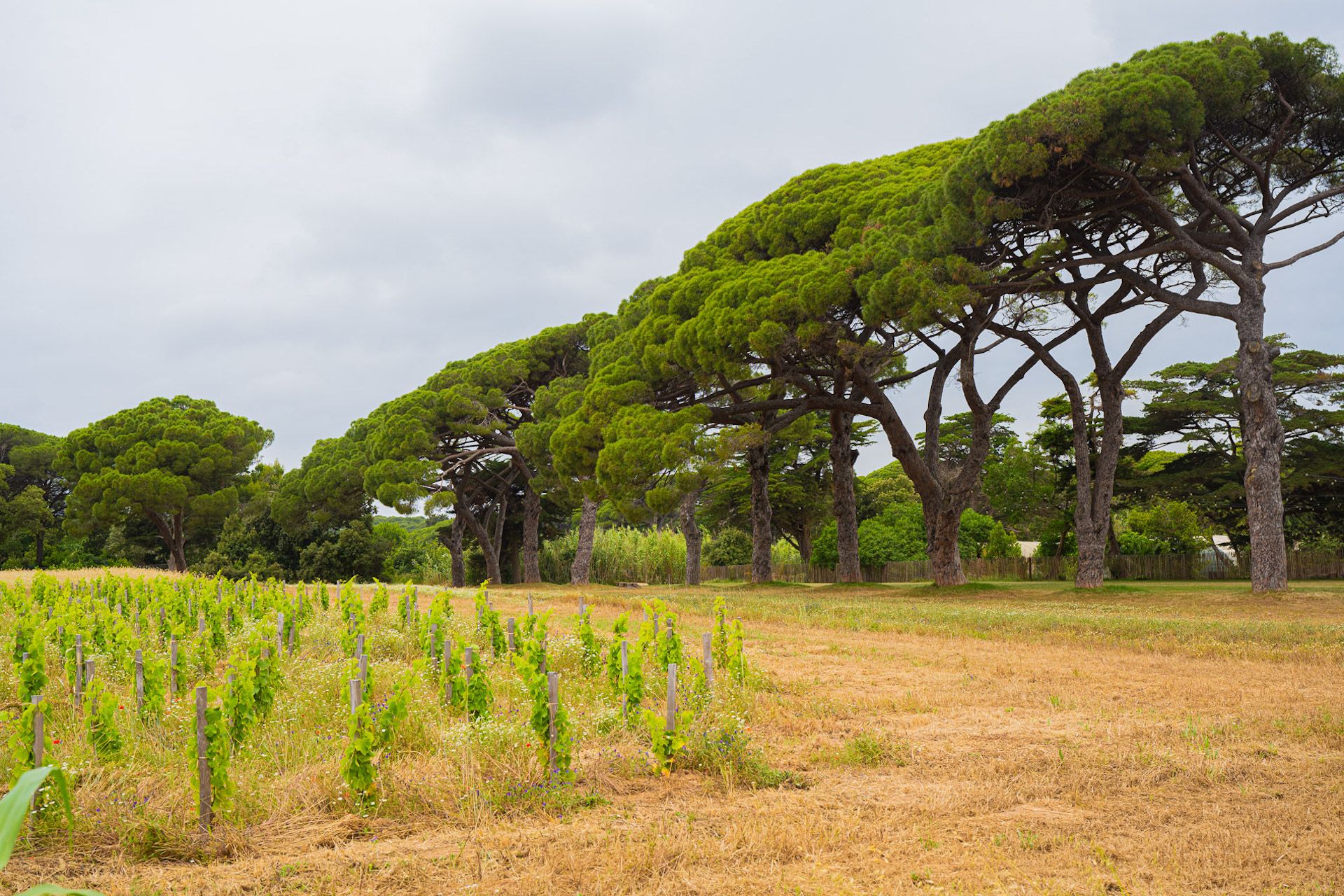
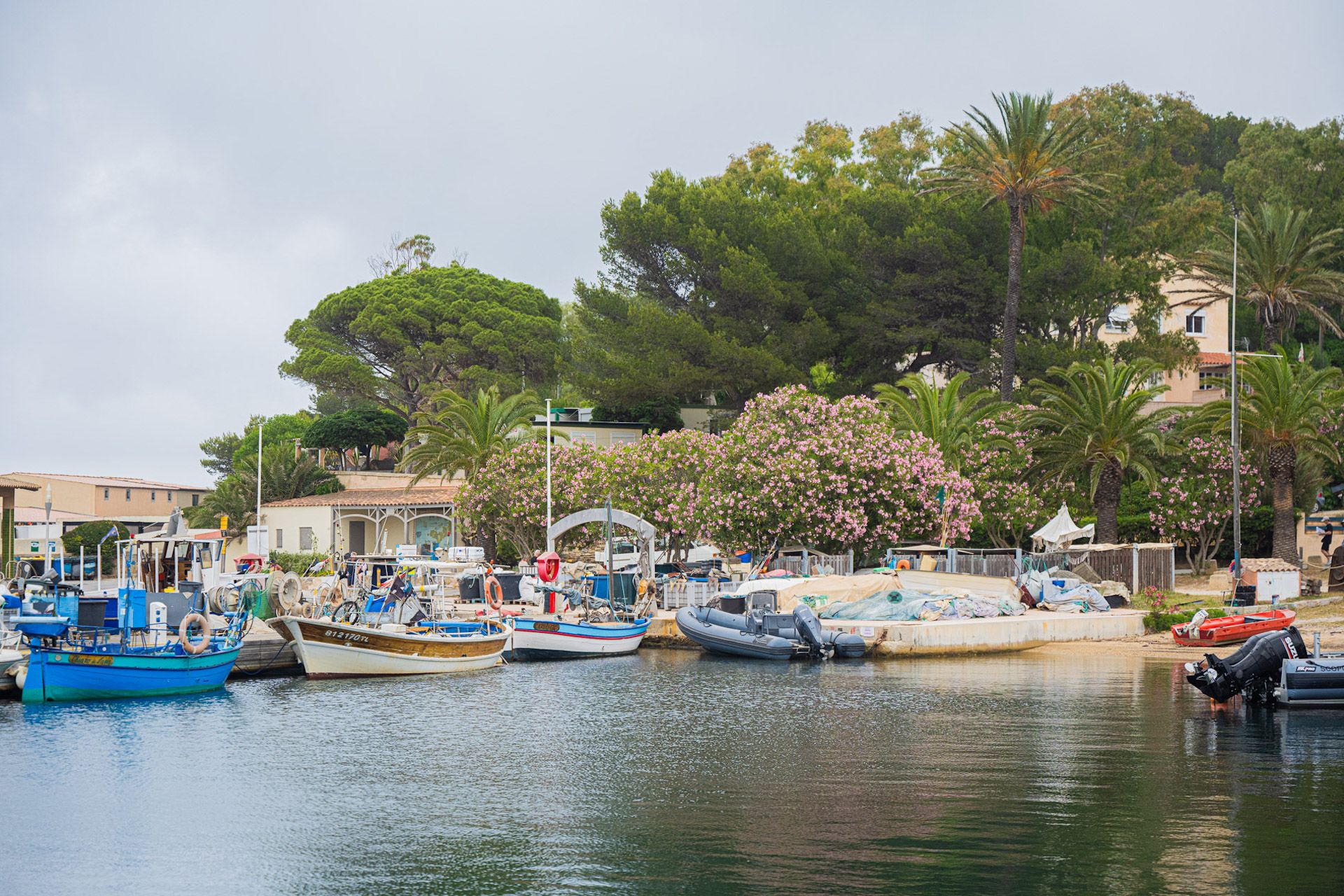
After a twenty-minute crossing on board a small ferry with a festive atmosphere, we approach the bay where the port nestles, past a grey siliceous point covered with pine trees with tortured trunks. Then, like a painting reflected in the calm water, the pink facade of the Fournier house appears between the masts of the sailboats, with its green shutters. This pretty residence is still home to the descendants of the visionary Monsieur Fournier. To prevent the fires that had destroyed the island before his arrival, he planted vines and was the first to produce wine.
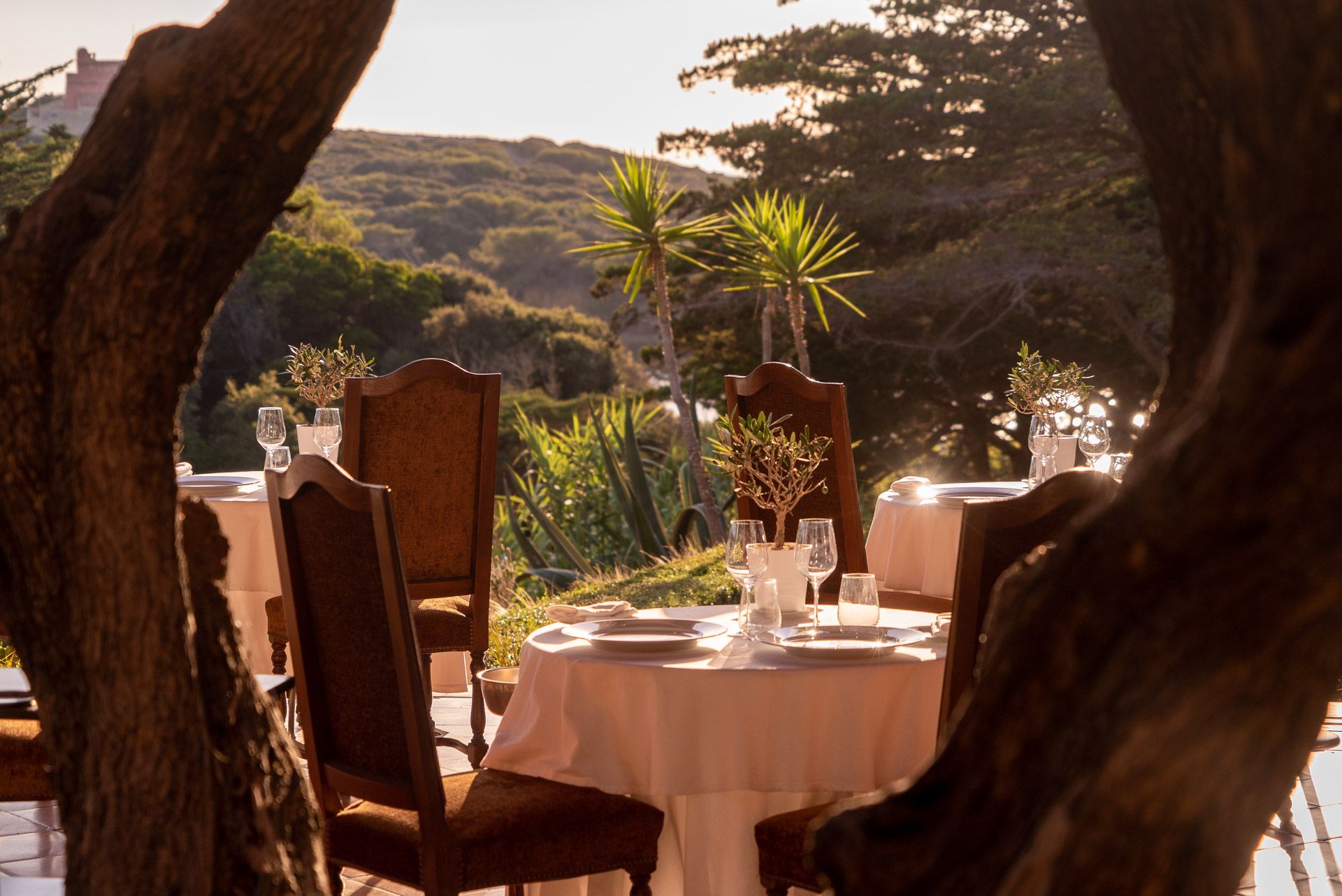
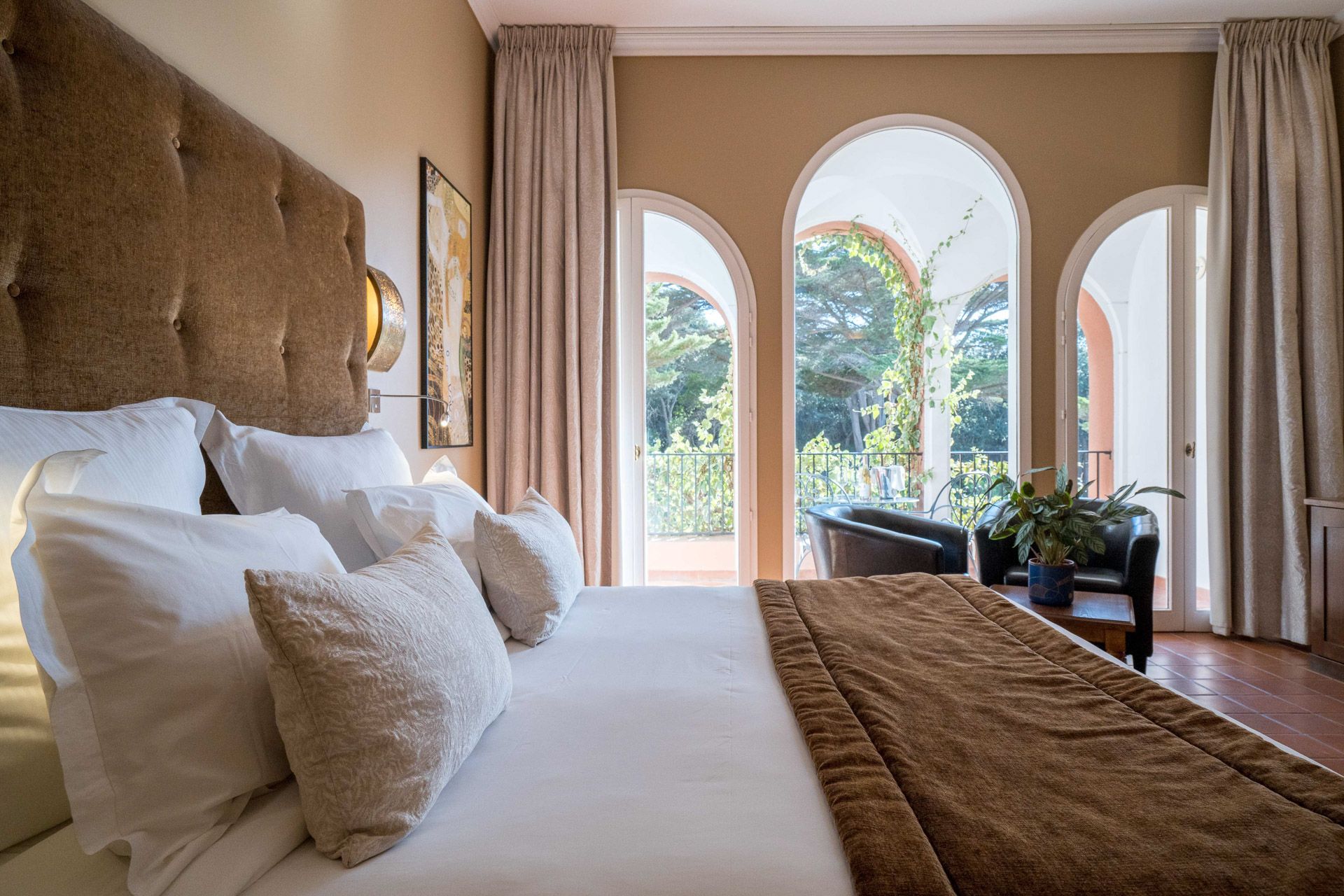
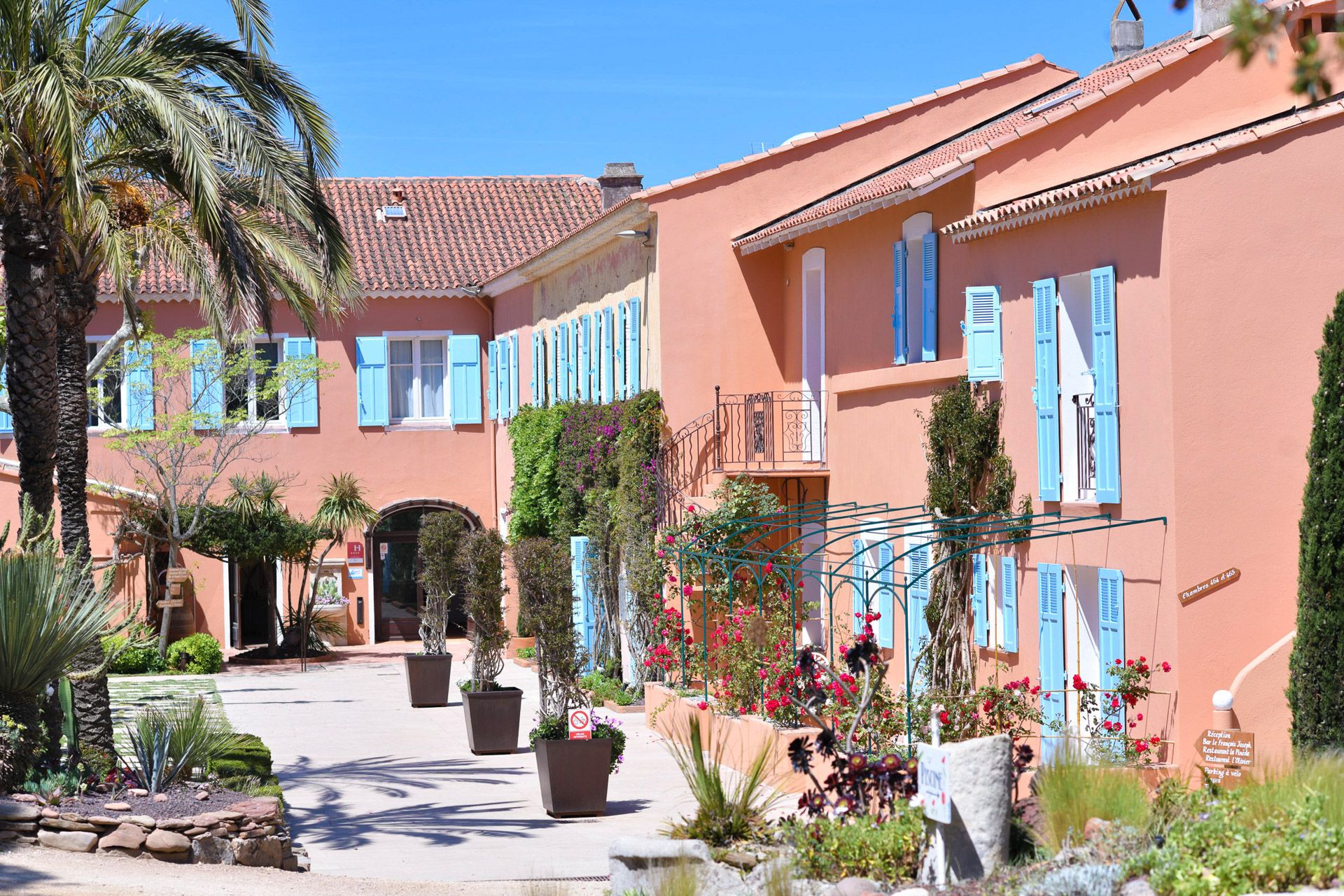
To the west, Pointe du Langoustier
Once disembarked, you have a choice: go on foot or by bike. Head west through the village, towards the Plage d'Argent and then the Pointe du Langoustier, with its isolated fort. The dusty track winds through the holm oak forest. At the far end is Le Mas du Langoustier, another former residence of the Fournier family, now a four-star hotel with a fish restaurant, and a round runway stamped with an H, overlooking the beach, for helicopter drop-offs.
To the east, the cape of the Medes
Or head east. Beneath the foliage, you walk from beach to beach: la Courtade, l'Alycastre, Notre-Dame (voted Europe's most beautiful beach several times over) and, at the far end, the mysterious rocks of Cap des Mèdes.
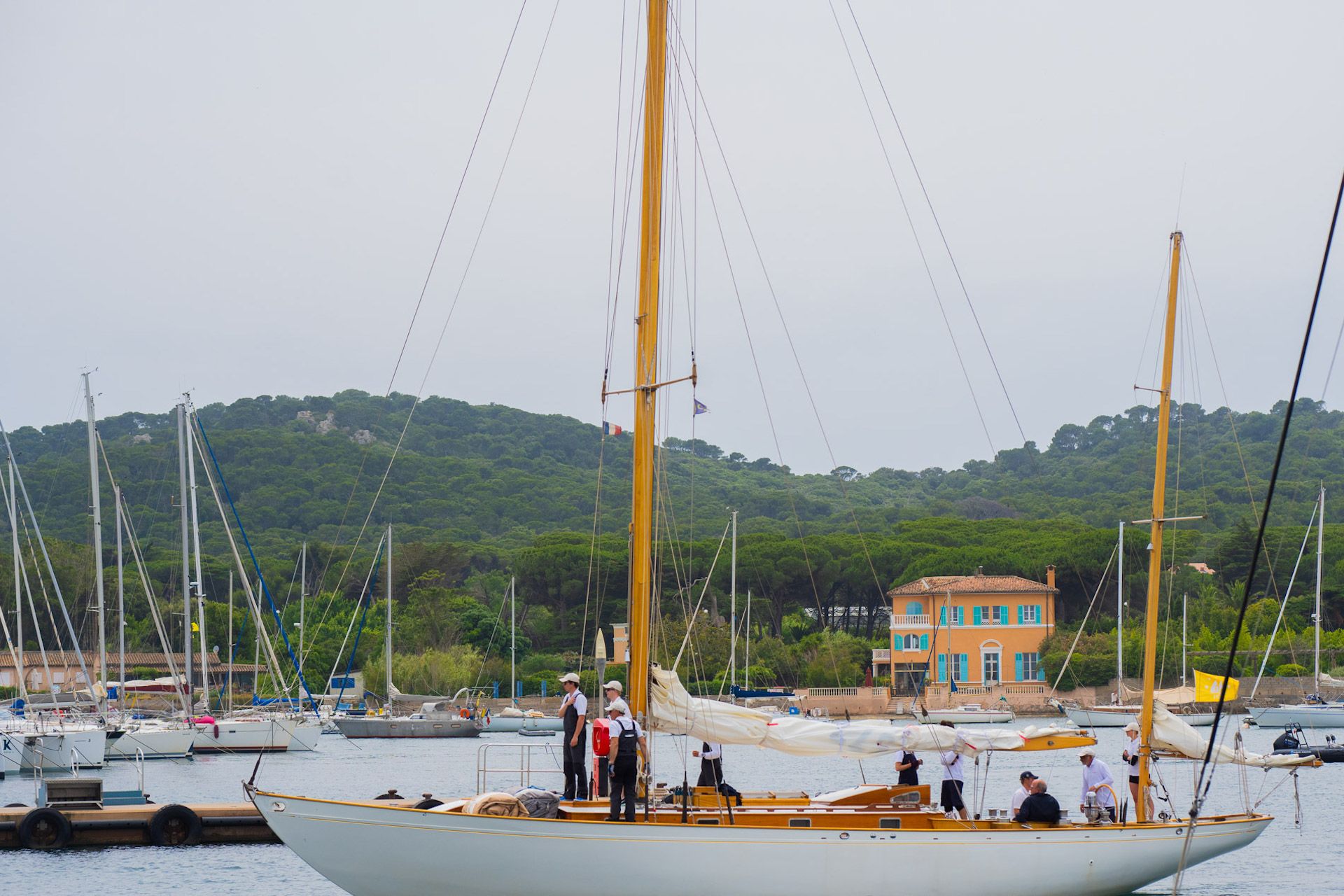
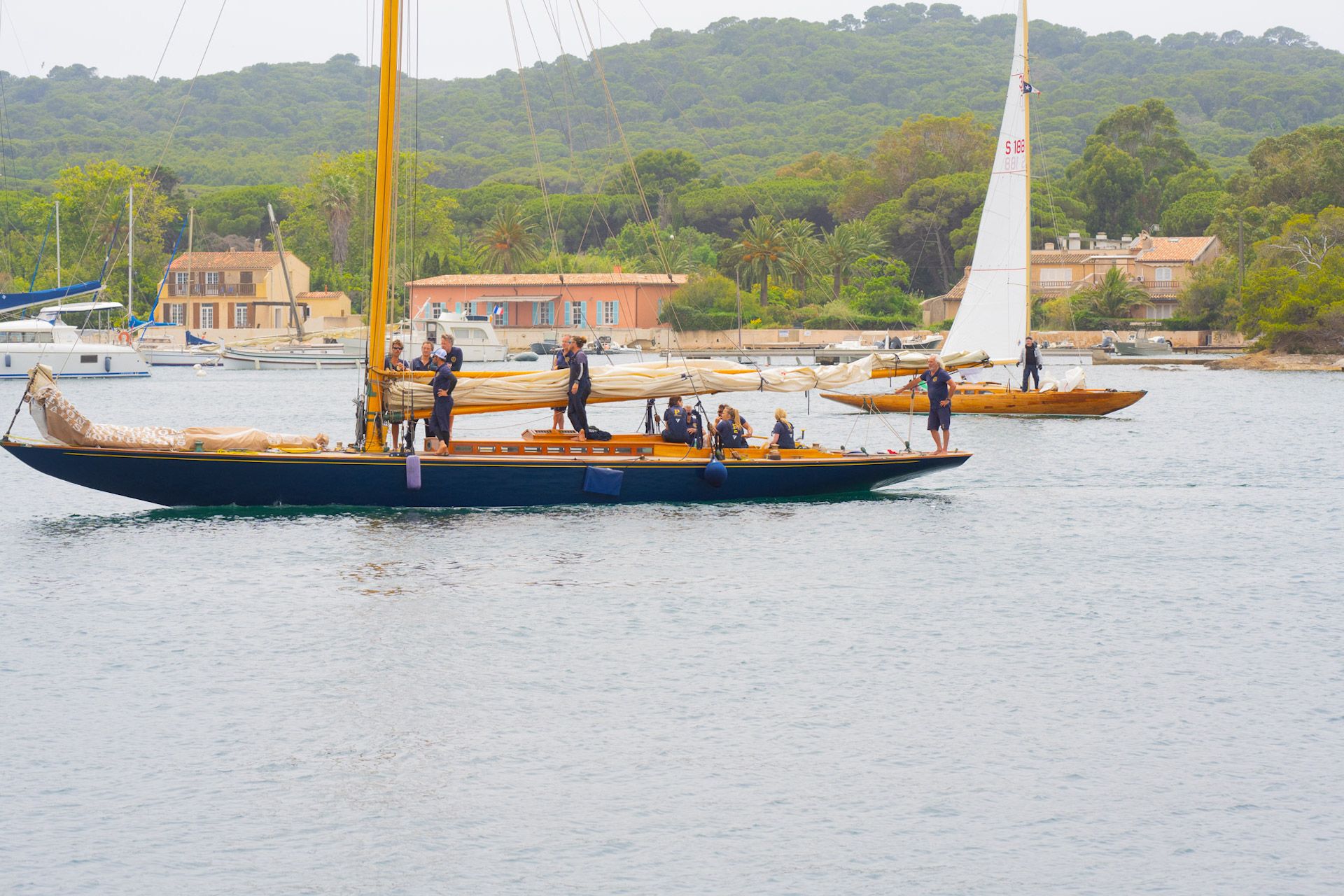
Above the village bell tower, visible from the moment you arrive by boat, the wings of the old flour mill turn to grind grain and produce bread for island life. Known as the " Moulin du Bonheur" (Happiness Mill ), it's where couples make their pilgrimage. In addition to the island's organic agriculture, small shops, cafés, restaurants, bicycle rental companies, water cabs and artists in their galleries, the island's four hundred and fifty or so inhabitants love to sail. The Porquerolles Yacht Club opens the season with prestigious regattas. If they could, the Porquerollais would blow in the sails to move their island a little further away from the coast. And Porquerolles would once again become an unattainable dream.


