by Capucine Gougenheim Geagea.
When Chapitre Six brings the Bus Palladium back to life, the legend of Parisian nightlife
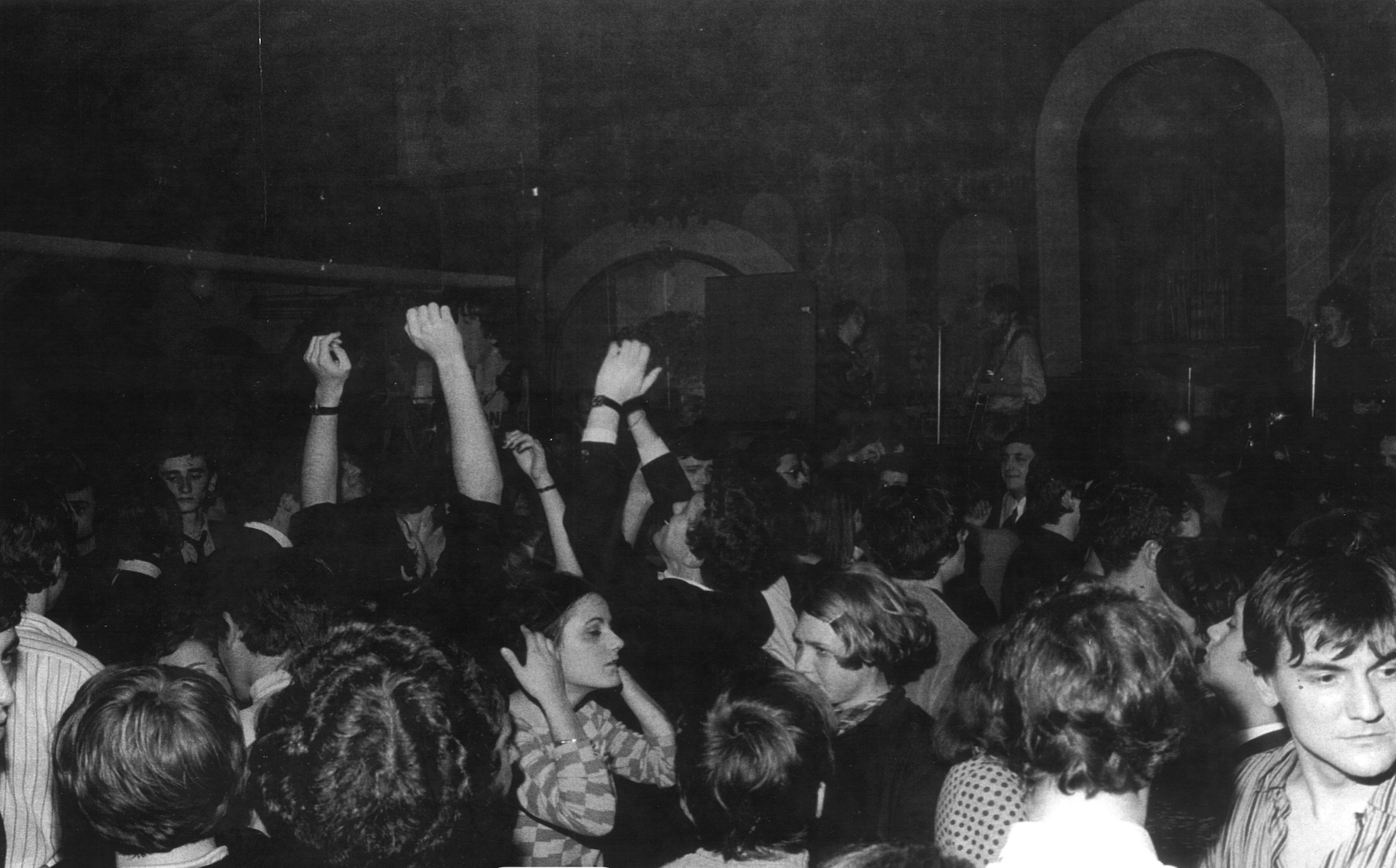
Paris has never really forgotten the Bus Palladium. Since 1965, the legendary Pigalle club has been the heartbeat of the nightlife scene, bringing together different generations, styles, and social classes on the same dance floor: a place of absolute freedom, where music, celebration, and boldness pulsed all night long. Its closure in 2022 left a void: that of a uniquely iconic space—unifying, festive, rock-and-roll, and irreverent.
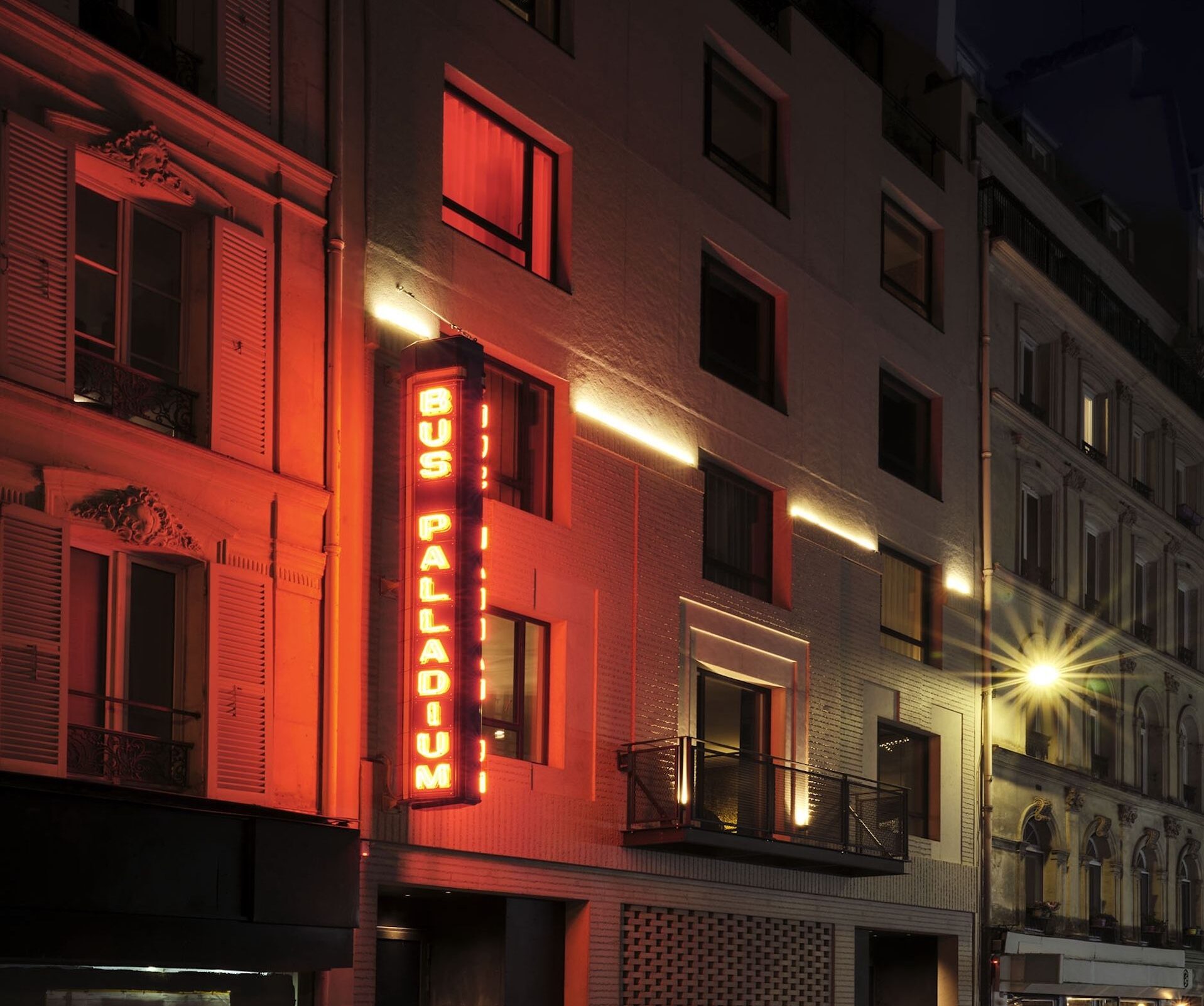
Today, transformed into a boutique hotel, cocktail bar, and underground club, it’s turning on its neon lights and reopening its doors on Rue Fontaine, ready to write a new chapter.
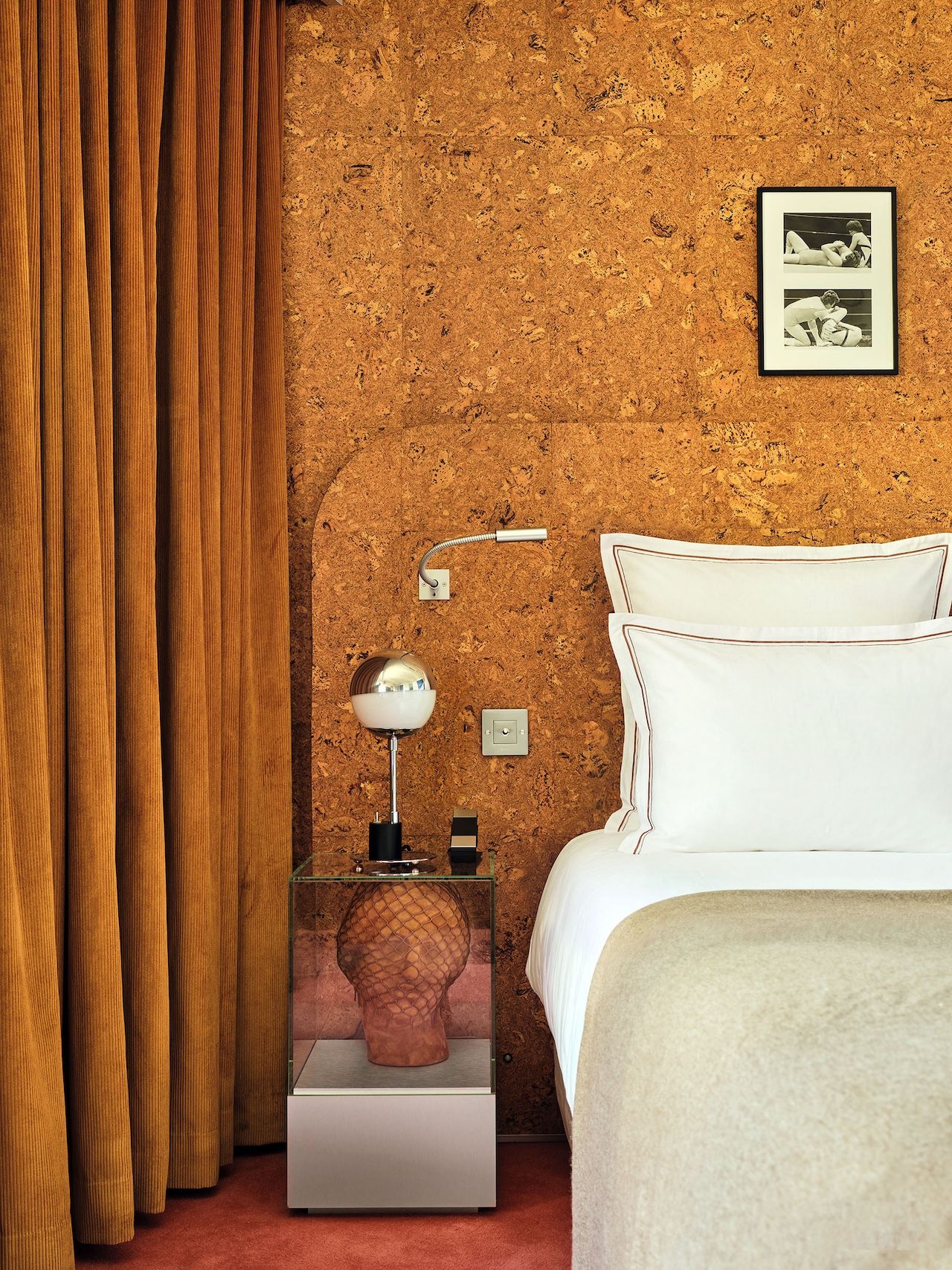
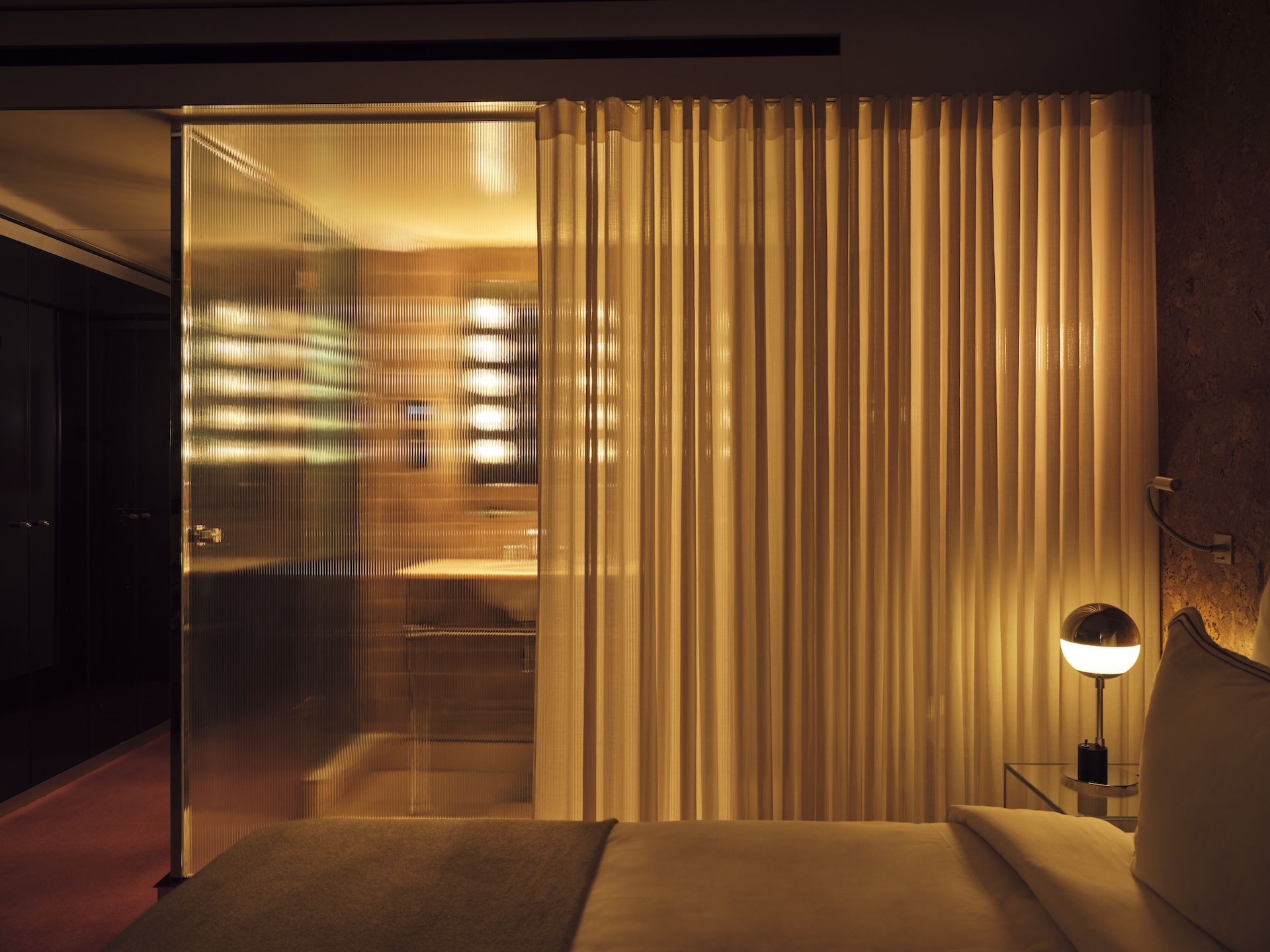
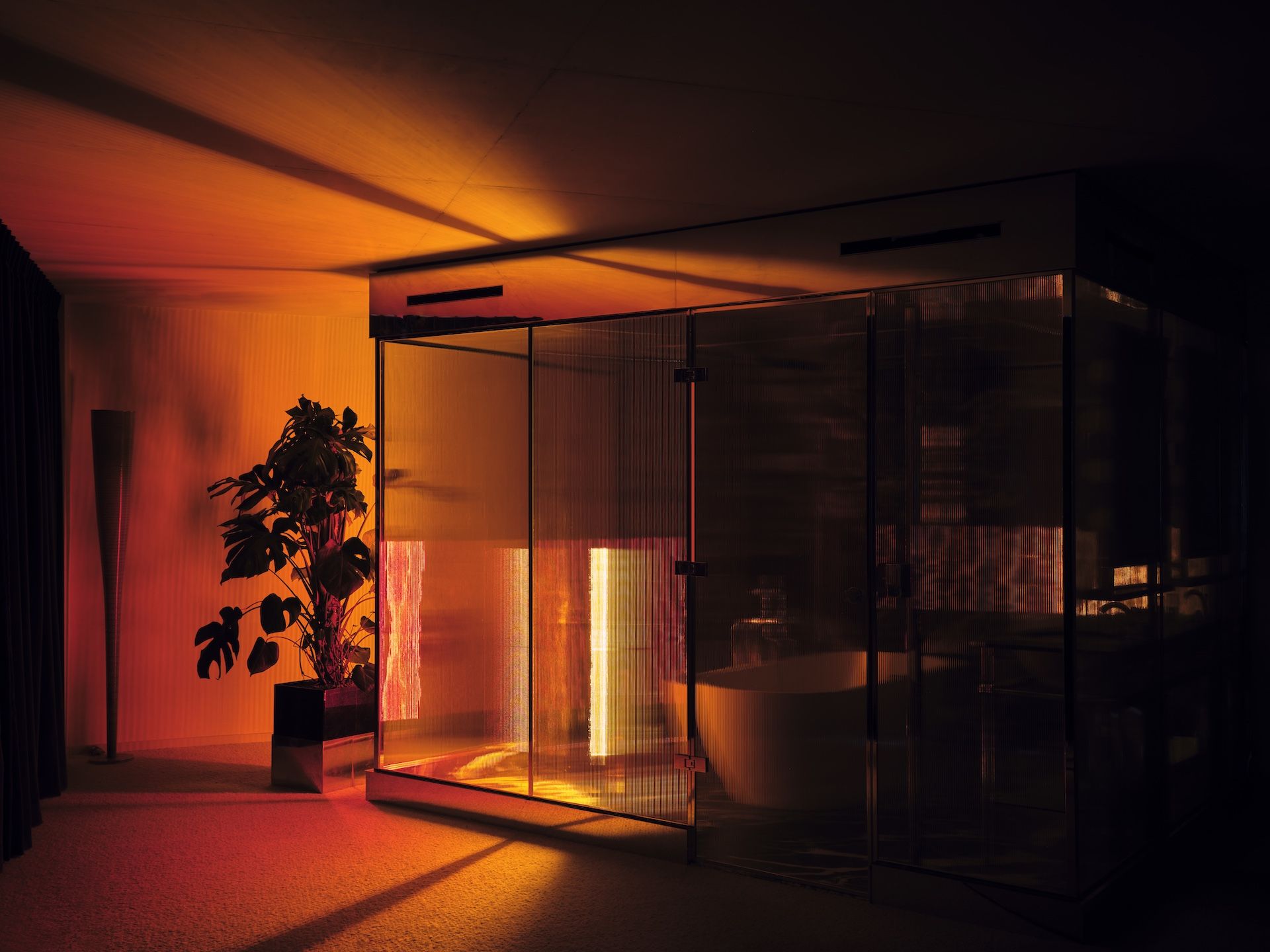
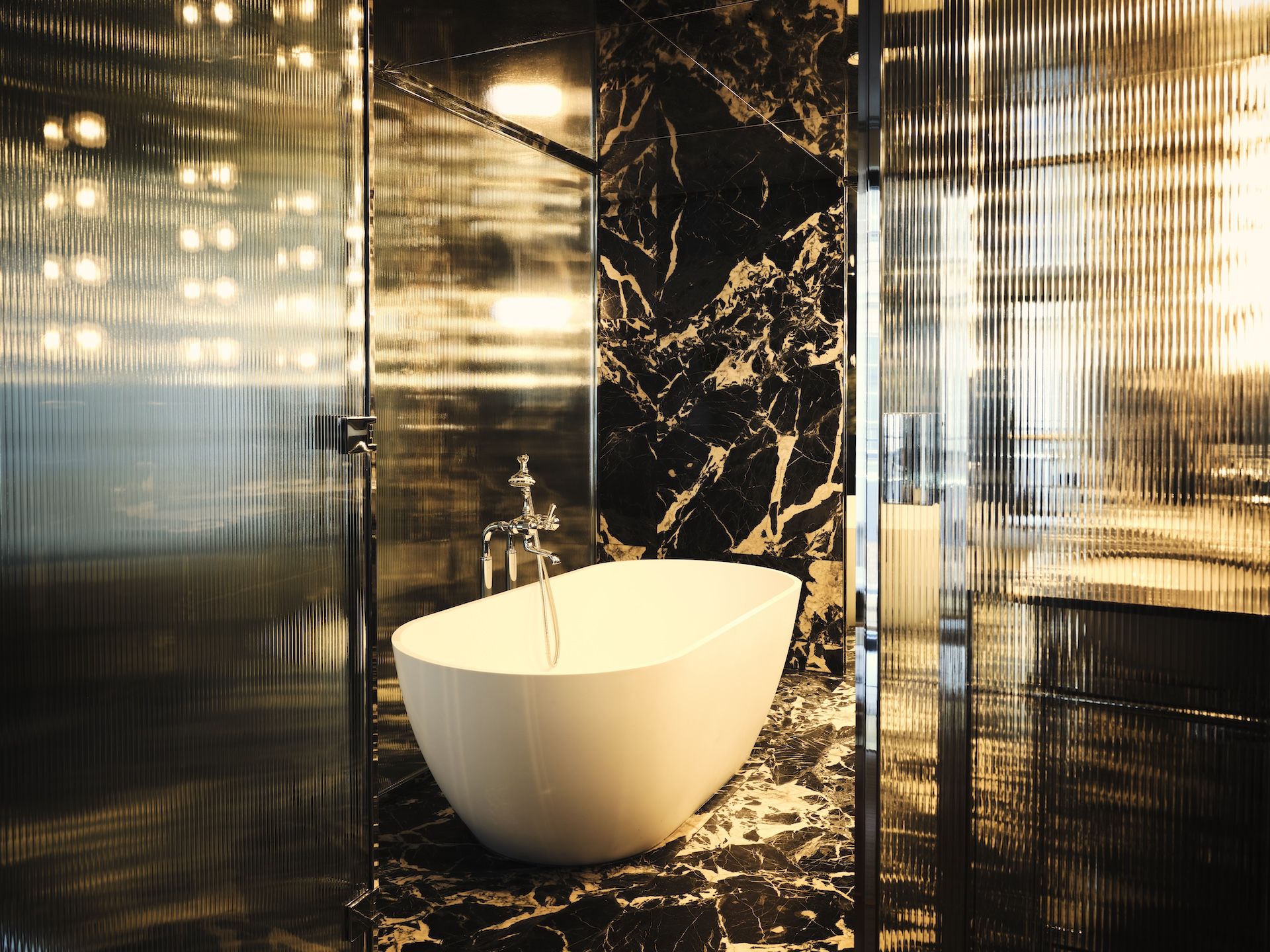
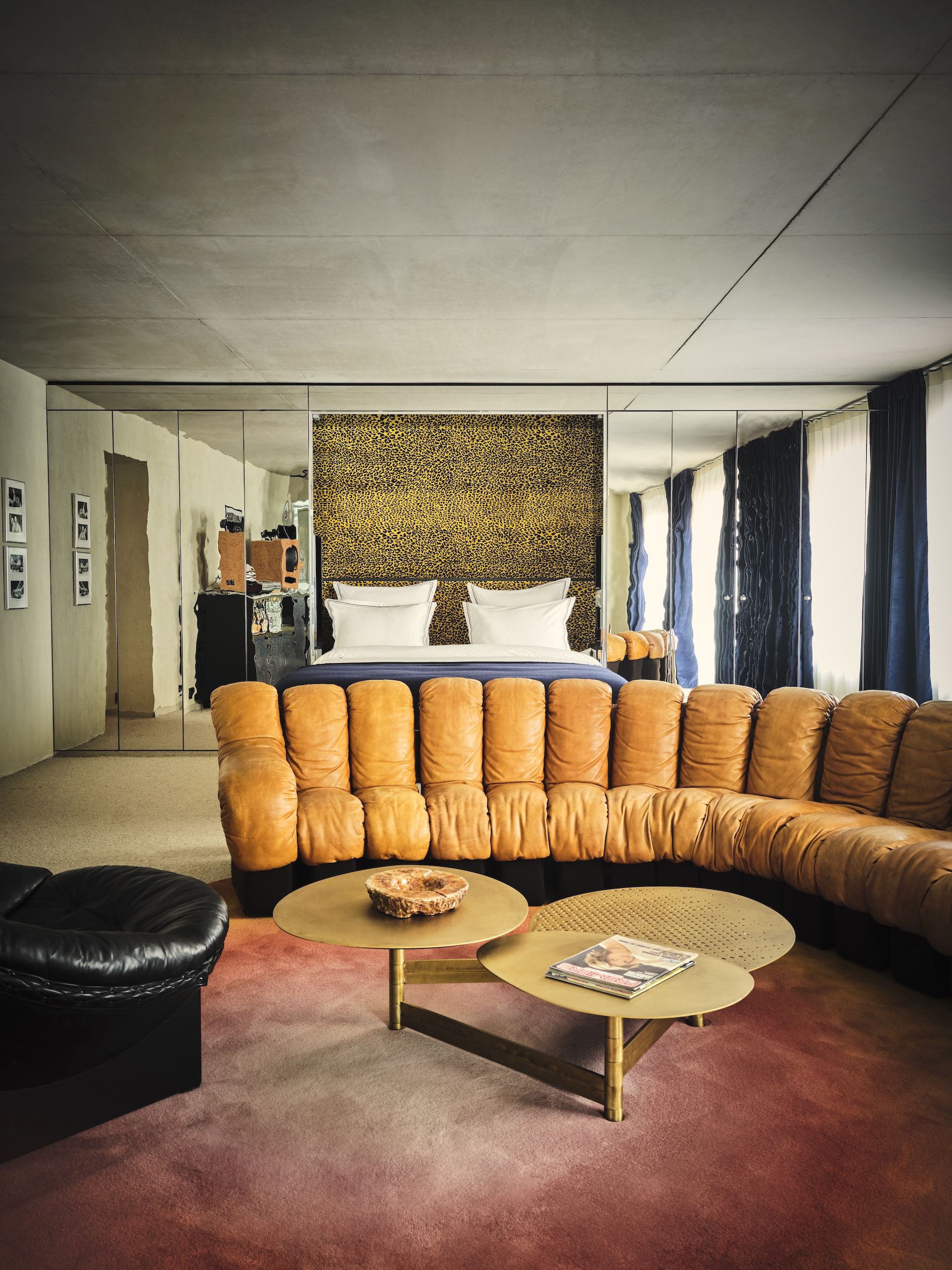
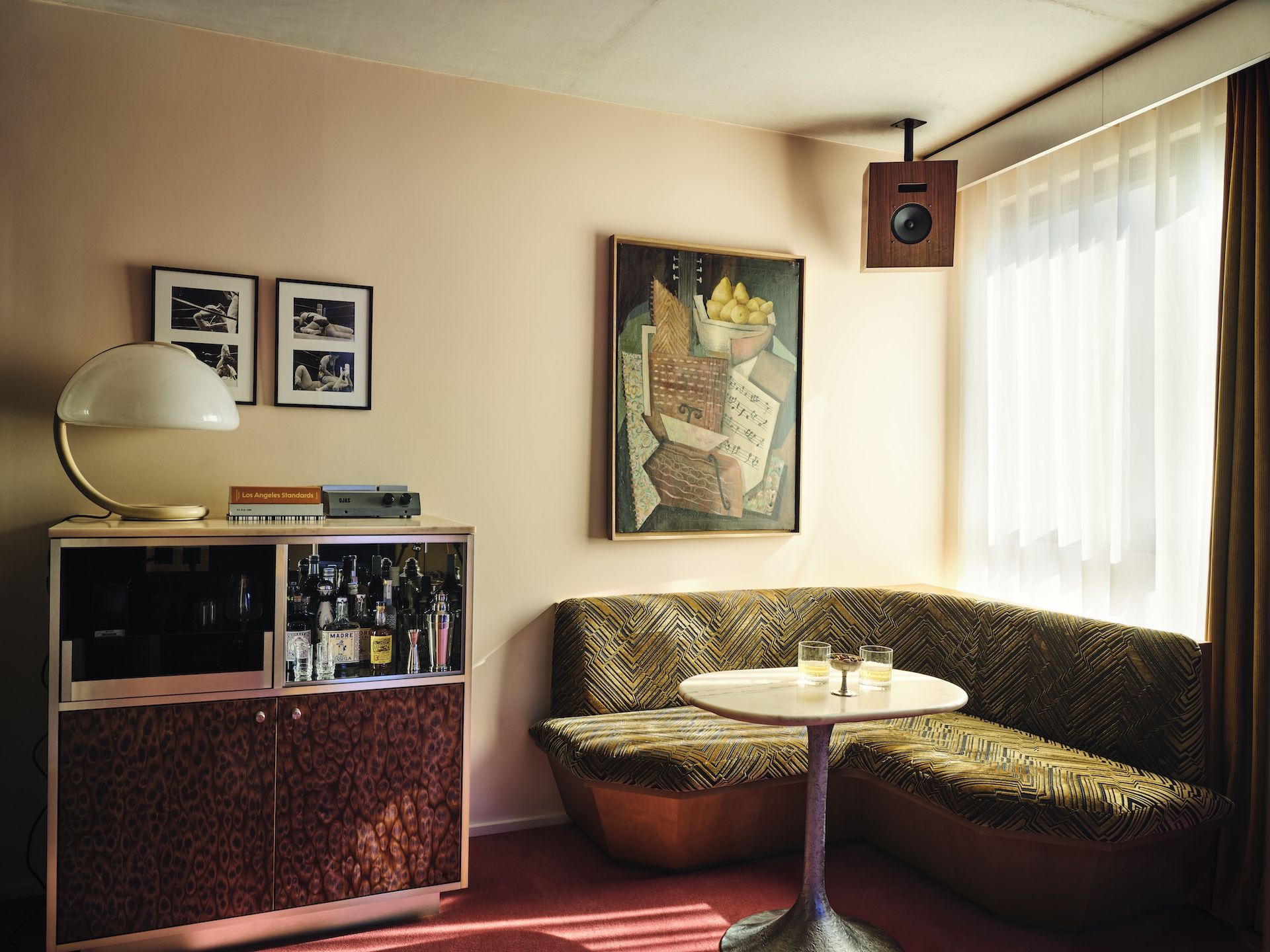
In April 2026, the Bus Palladium reopens its doors, transformed yet true to its irreverent spirit
A key figure in Parisian nightlife, James Arch founded the Palladium at 6 Rue Fontaine and Studio A on the Champs-Élysées. Named the Bus Palladium after an article by Jacques Chancel titled *Des bus pour le Palladium*—which praised James Arch’s visionary initiative to organize buses allowing young people from the suburbs to come party in Paris—the venue has become legendary.
Over six decades, the Bus Palladium hosted, in turn, Salvador Dalí, Serge Gainsbourg, Mick Jagger, the Beatles—who performed there—Otis Redding, and Téléphone, who recorded their first single live there, along with other remarkable night owls who helped forge its legend, each personally connected to a piece of its history.
After closing in 2022, the Bus is now poised to be reborn, emerging from a long slumber.
At the heart of this rebirth is a serendipitous meeting over a game of backgammon between Christian Casmèze, the guardian of the venue’s memory, and Nicolas Saltiel, founder of Chapitre Six, who knows the venue’s backstage and its energy.
Together, they envision a new-generation Bus Palladium: a vibrant new theater, expanded to include a hotel for creators and dreamers, a restaurant open from early morning until the last drink, a cocktail bar, an intimate rooftop, a space for exhibitions and artistic collaborations, and a club serving as a new artistic hub.
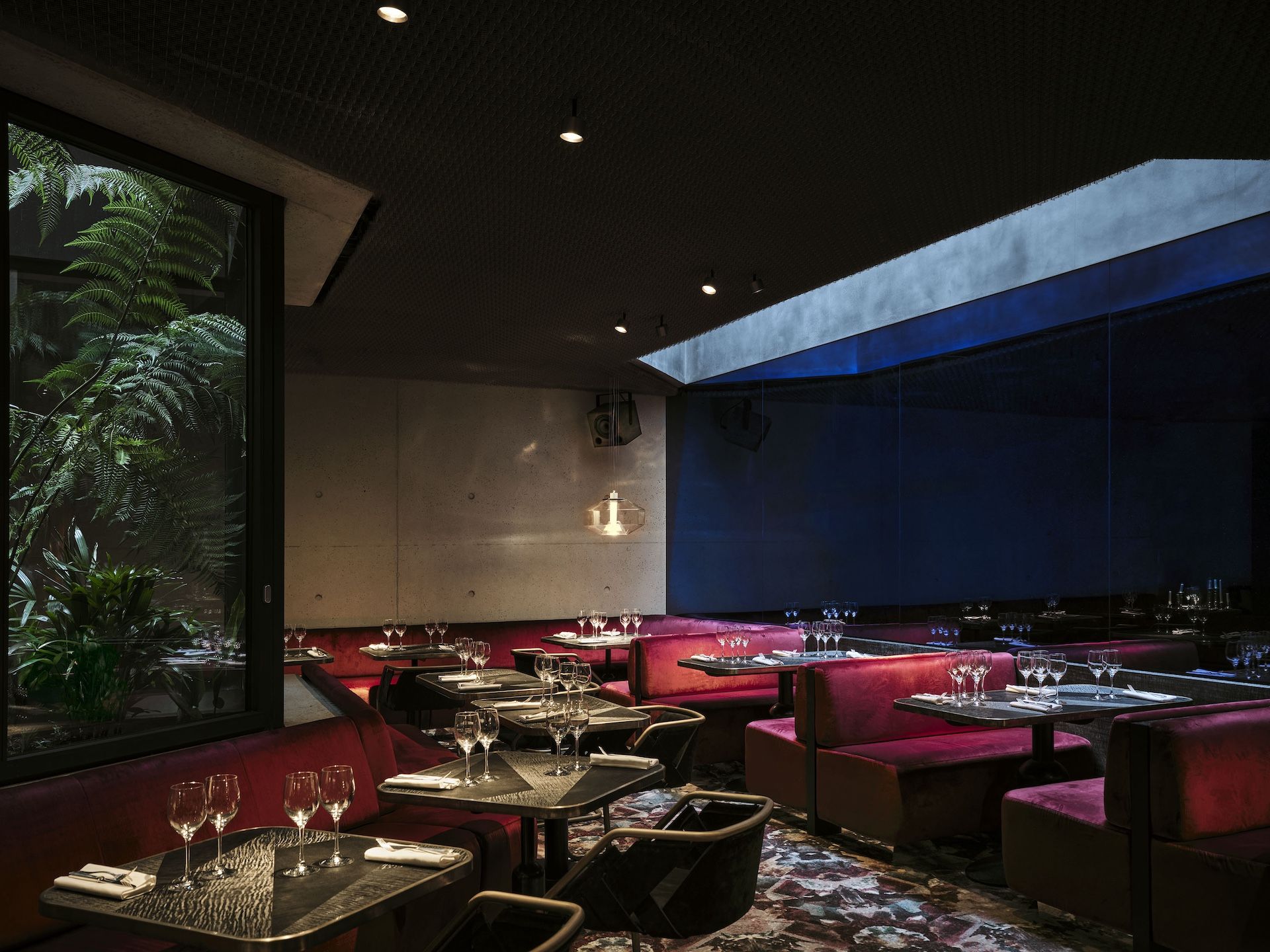
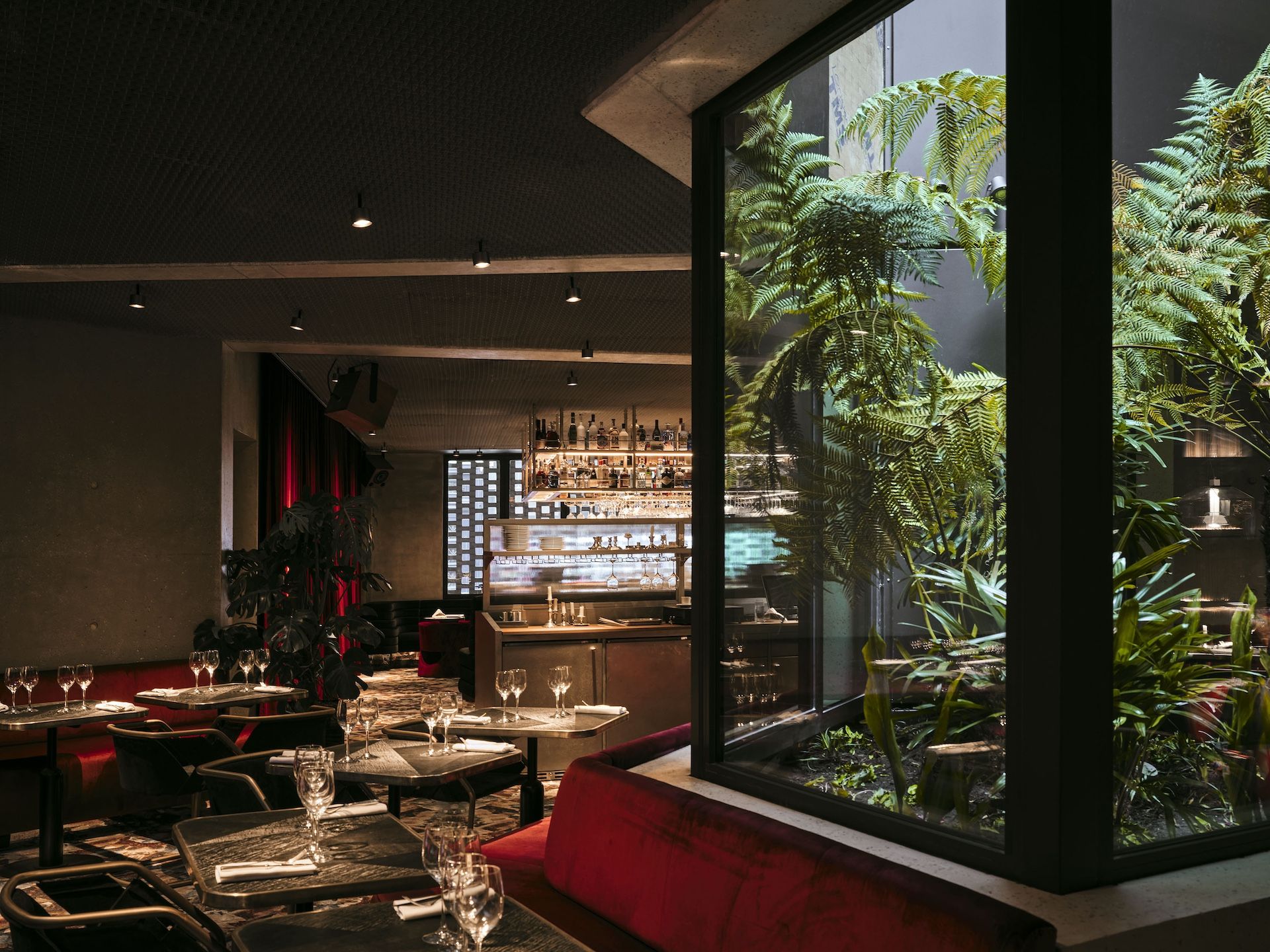
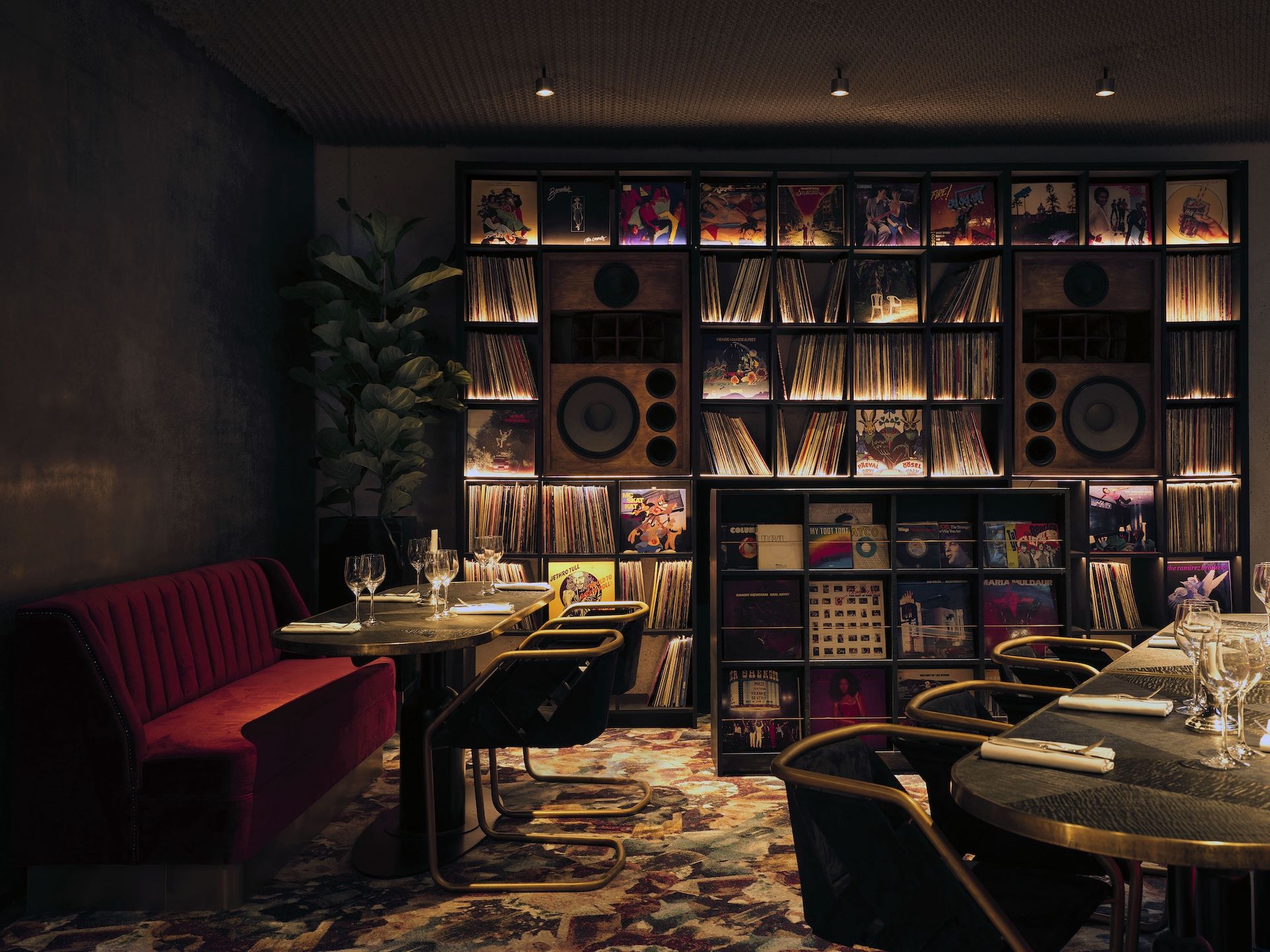
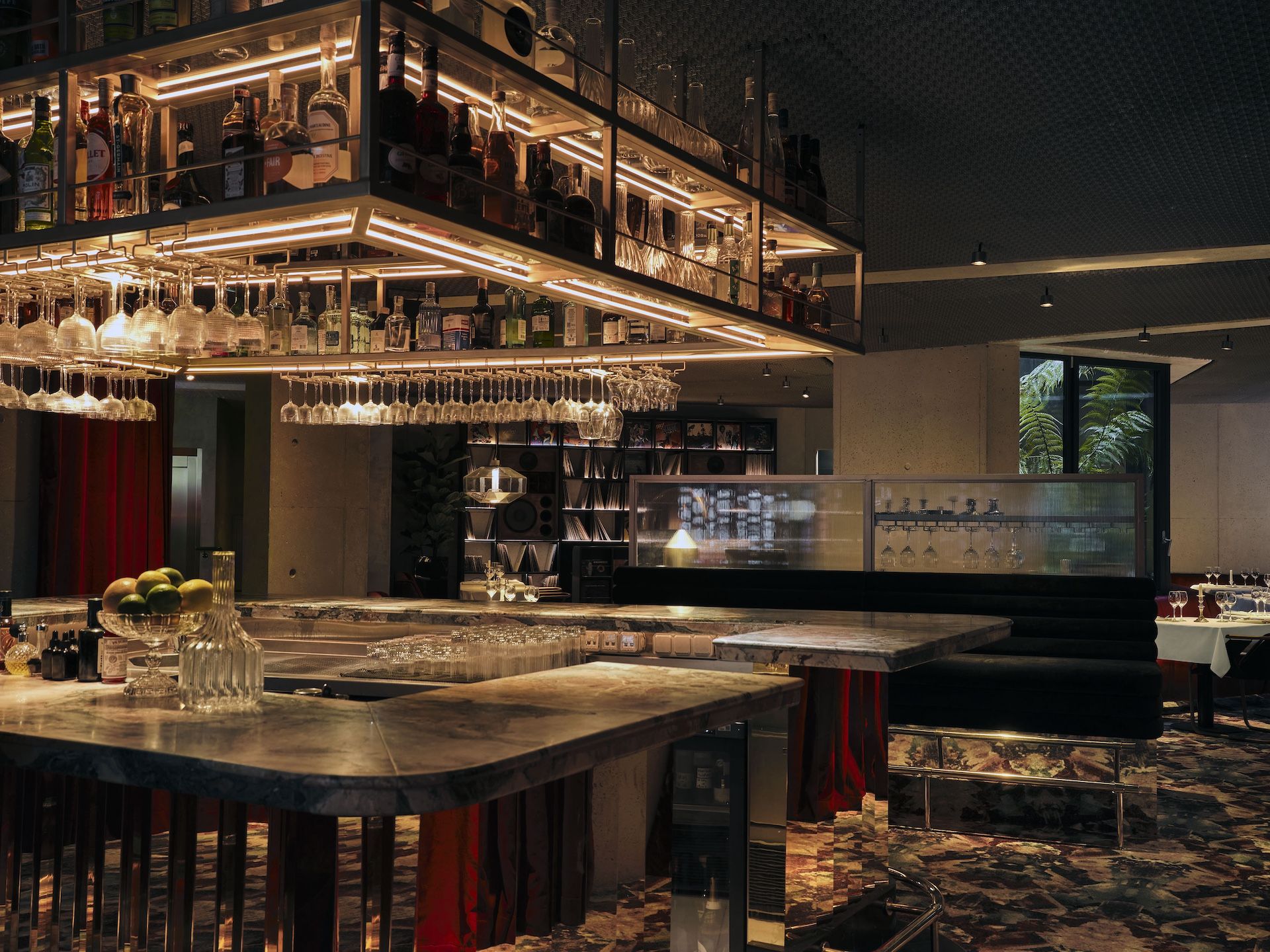
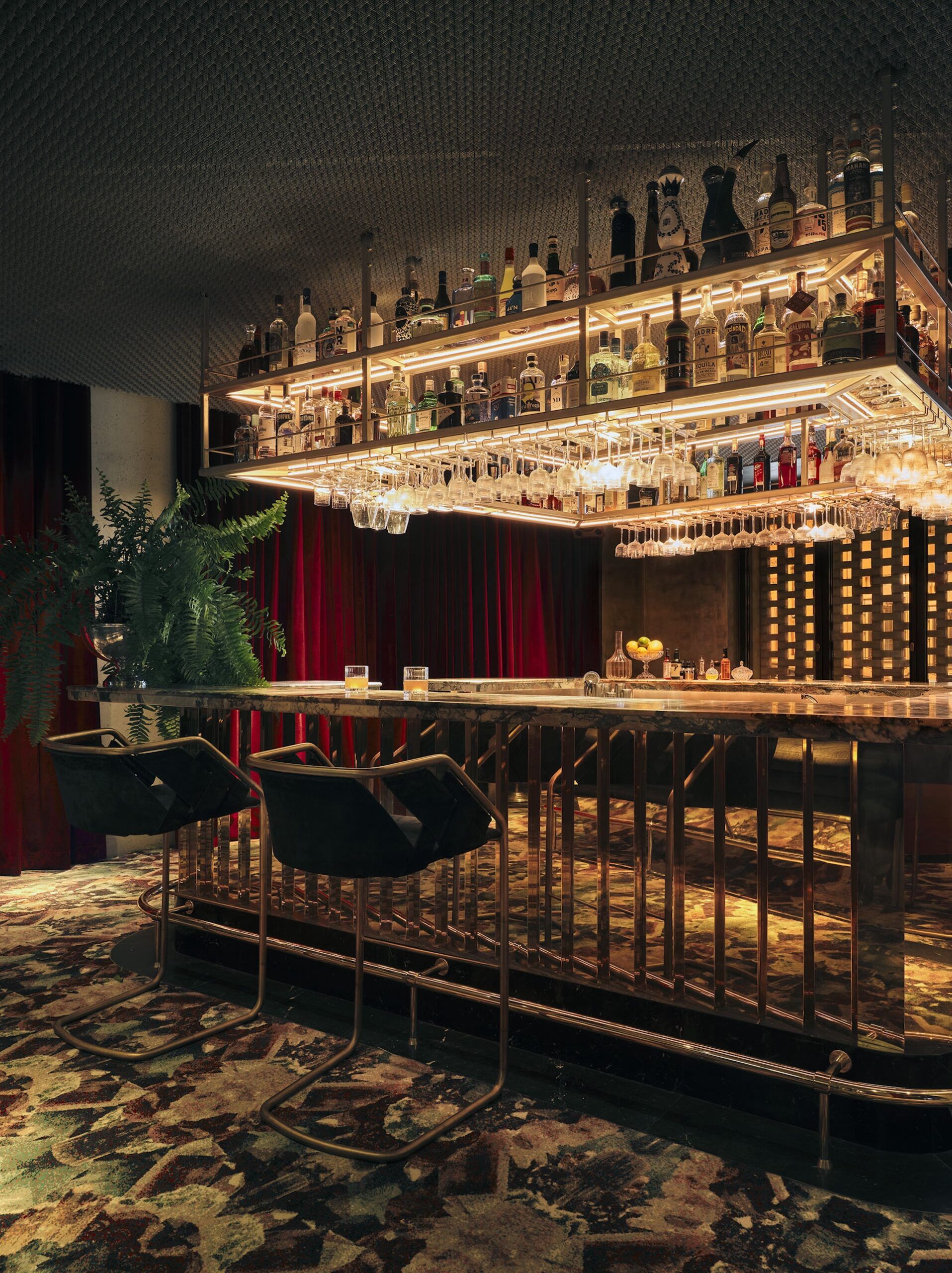
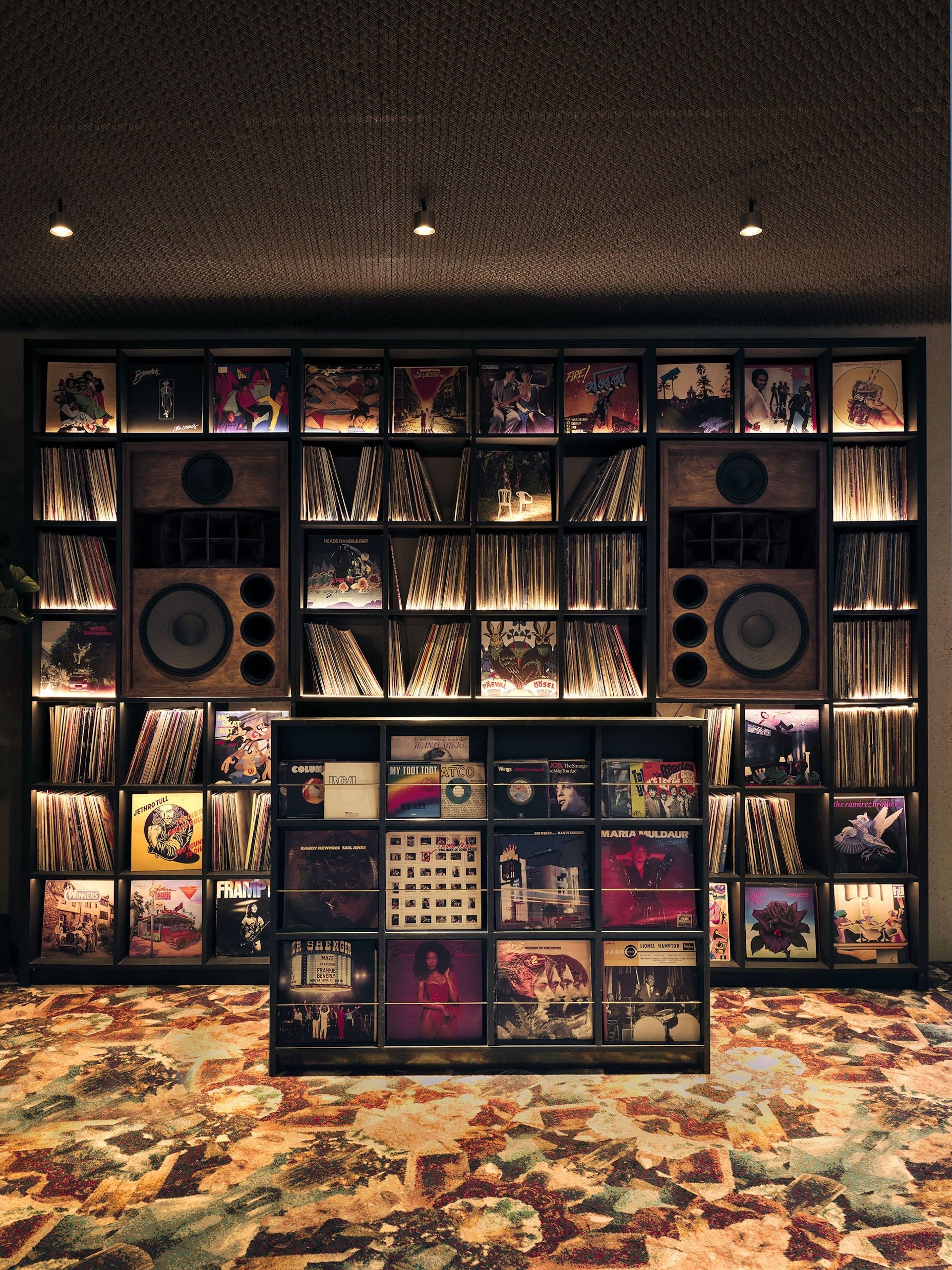
A fresh start with Studio KO handling the architecture, Caroline de Maigret as artistic director, Valentin Raffali running the restaurant, and Lionel Bensemoun managing the club
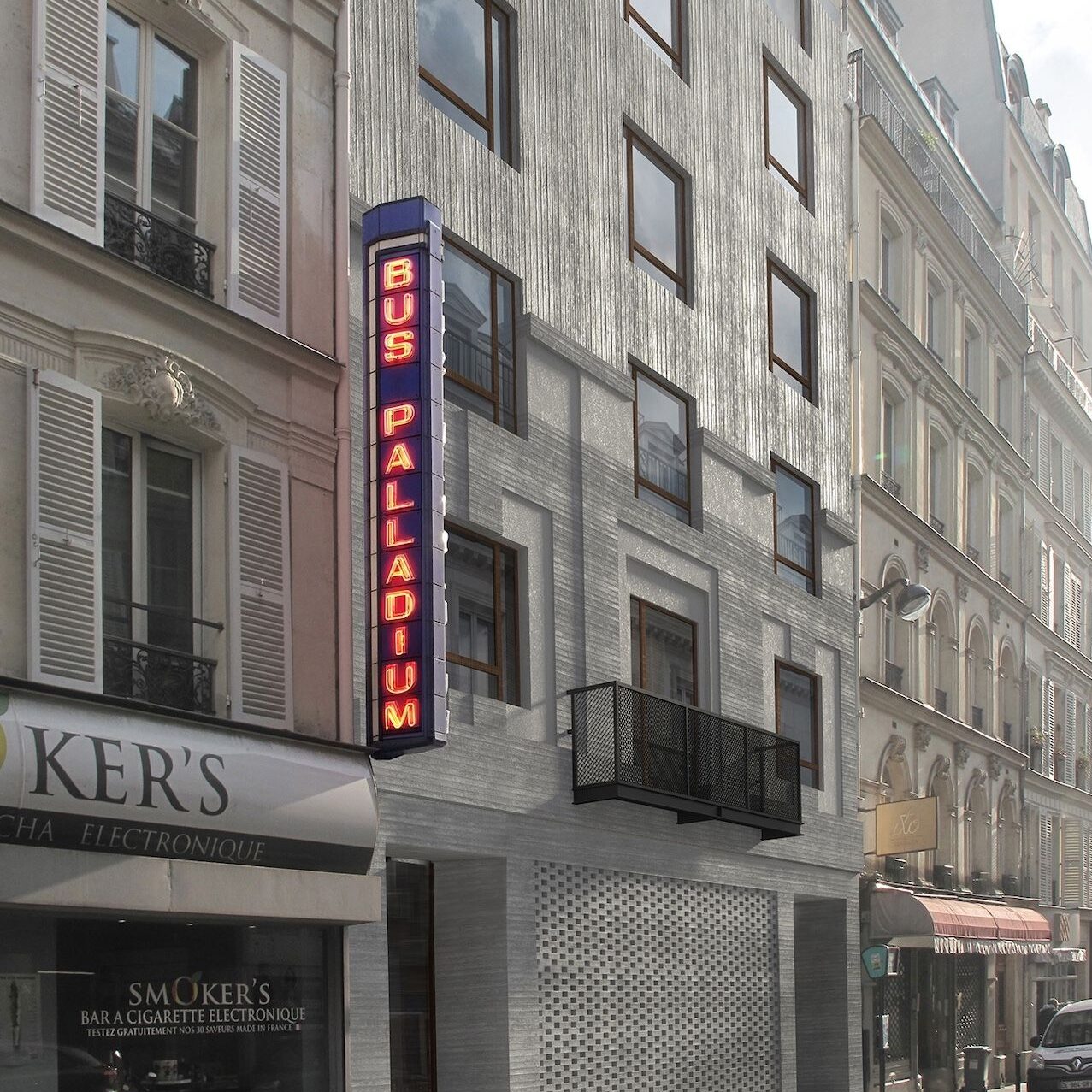
The architecture, designed by Karl Fournier and Olivier Marty of Studio KO, sets the tone: a constant contrast that blends a vibrant, lived-in brutalism, where concrete interacts with velvet, and where discipline meets hedonism.
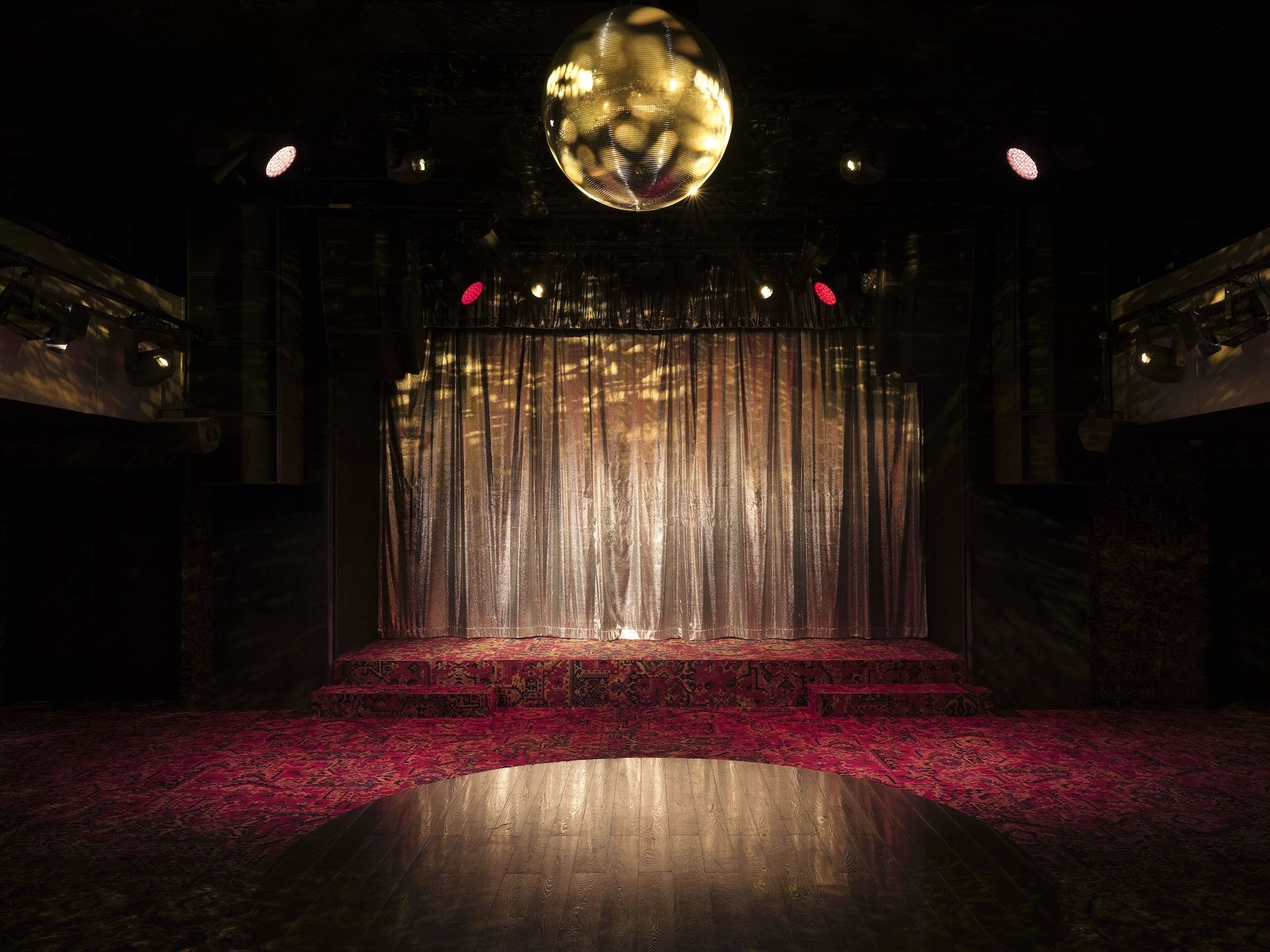
Each space becomes a chapter in a nocturnal narrative waiting to be (re)invented. In the basement, the historic hall is reborn, reimagined as a central stage dedicated to concerts and electric nights, under the artistic direction of Lionel Bensemoun (Le Baron, La Folie Barbizon…).
Everything revolves around this stage: a 35-room hotel for night owls and a 70-square-meter Rock Suite, a restaurant open day and night, a “high-frequency” bar, and an intimate rooftop.
Caroline de Maigret, another Pigalle icon, shapes the venue’s sensory identity through subtle touches: carefully curated playlists for each space, a signature fragrance with amber notes, and uniforms for the staff inspired by British rock and the French New Wave, while chef Valentin Raffali offers a deliberately streamlined menu inspired by the Atlantic Ocean, prioritizing high-quality sourcing
Reopening the Bus Palladium means reigniting a living icon, taking on the challenge of reinventing Parisian nightlife in this legendary club without compromising its irreverence.
Bus Palladium
6 Rue Fontaine
75009 Paris
Photos © Mathieu Slavaing and archival images courtesy of James Arch
Plume's Choice *
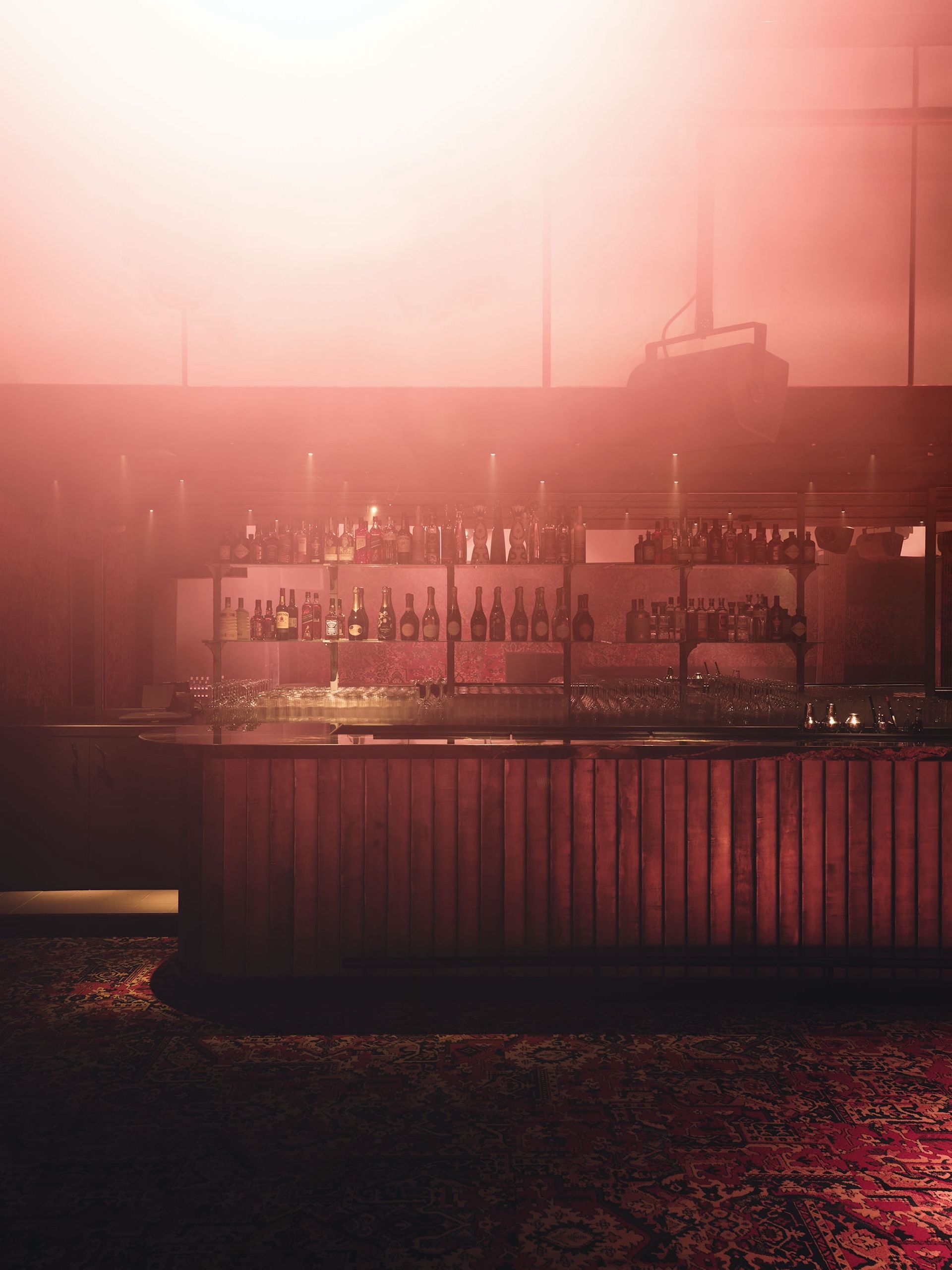
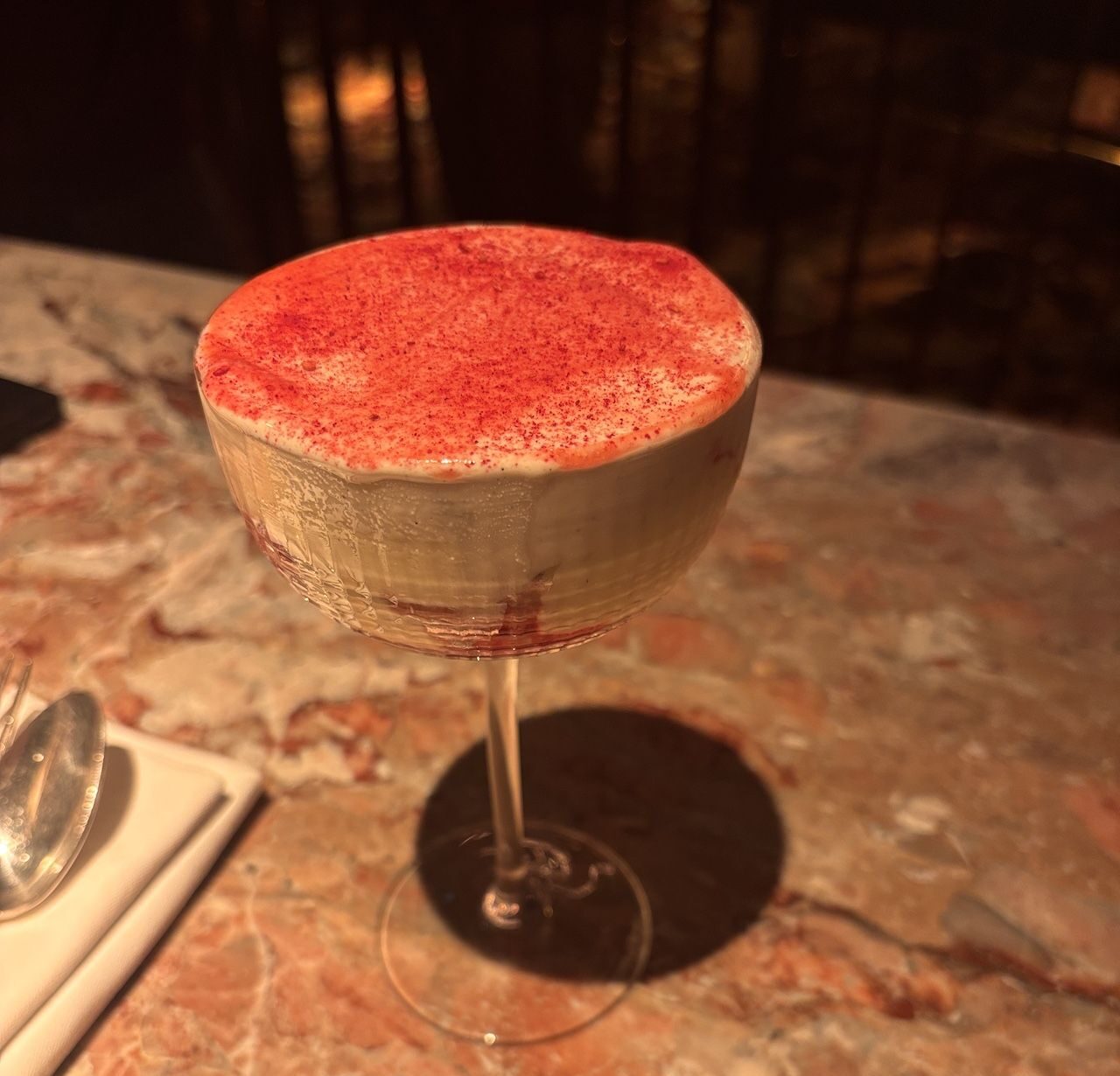
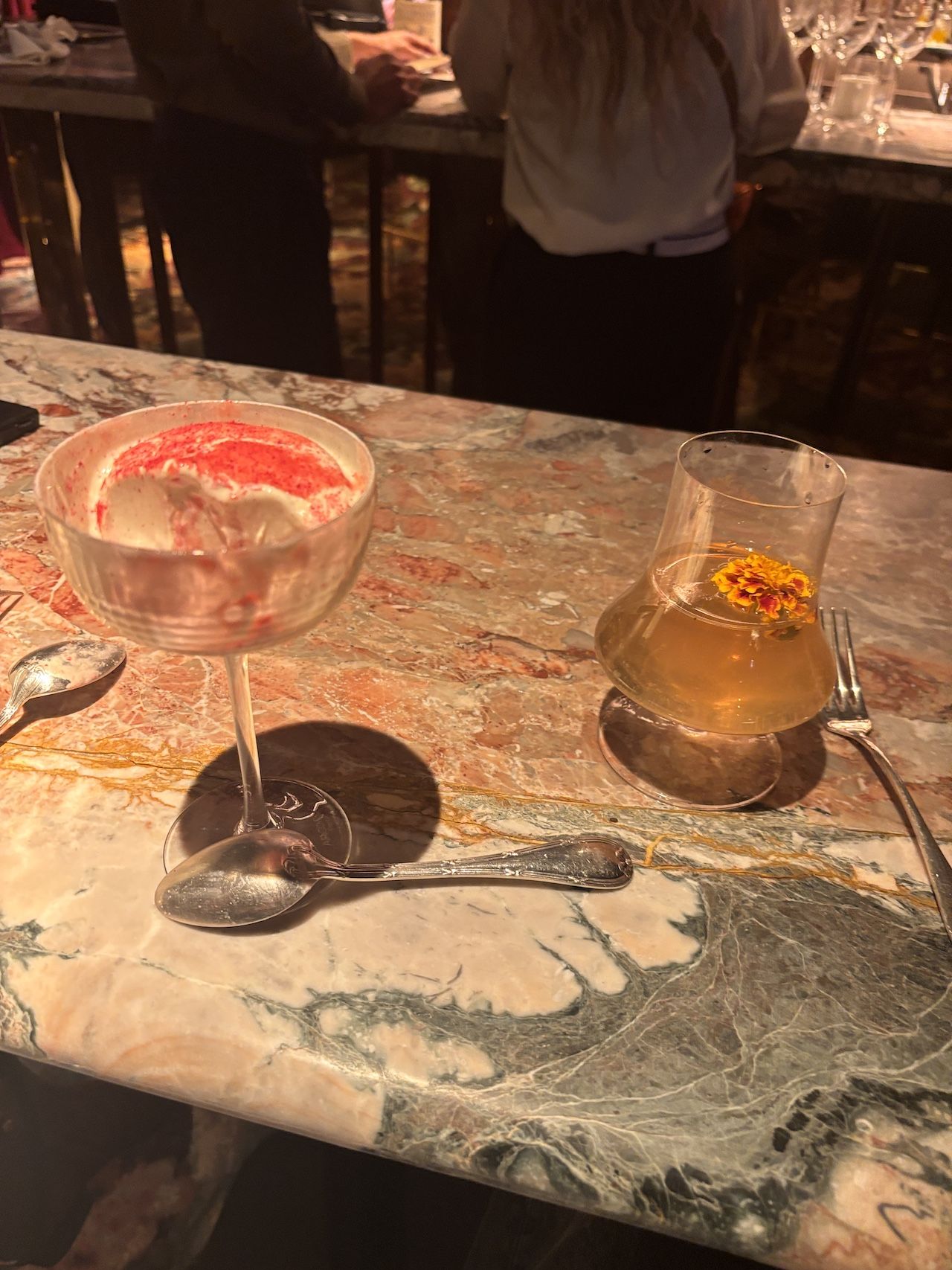
*Plume loved the house cocktails like the “Bus Palladium,” the super girly and indulgent strawberry cocktail served in a pretty glass, the architecturally designed circular bar that seems to have been there forever, and the walls already weathered by time.
Plume also loved the kindness and warm welcome from Valentin, the manager, the velvet outfits worn by the bartenders and hostesses, the best spot in the bar—the two high marble tables between the restaurant and the bar—which let you comfortably soak up the atmosphere while also observing the room, watching the constant, dancing parade of people coming and going, leaving the hotel, entering the restaurant, heading to the club, leaning on the bar, watching, kissing, and then leaving.
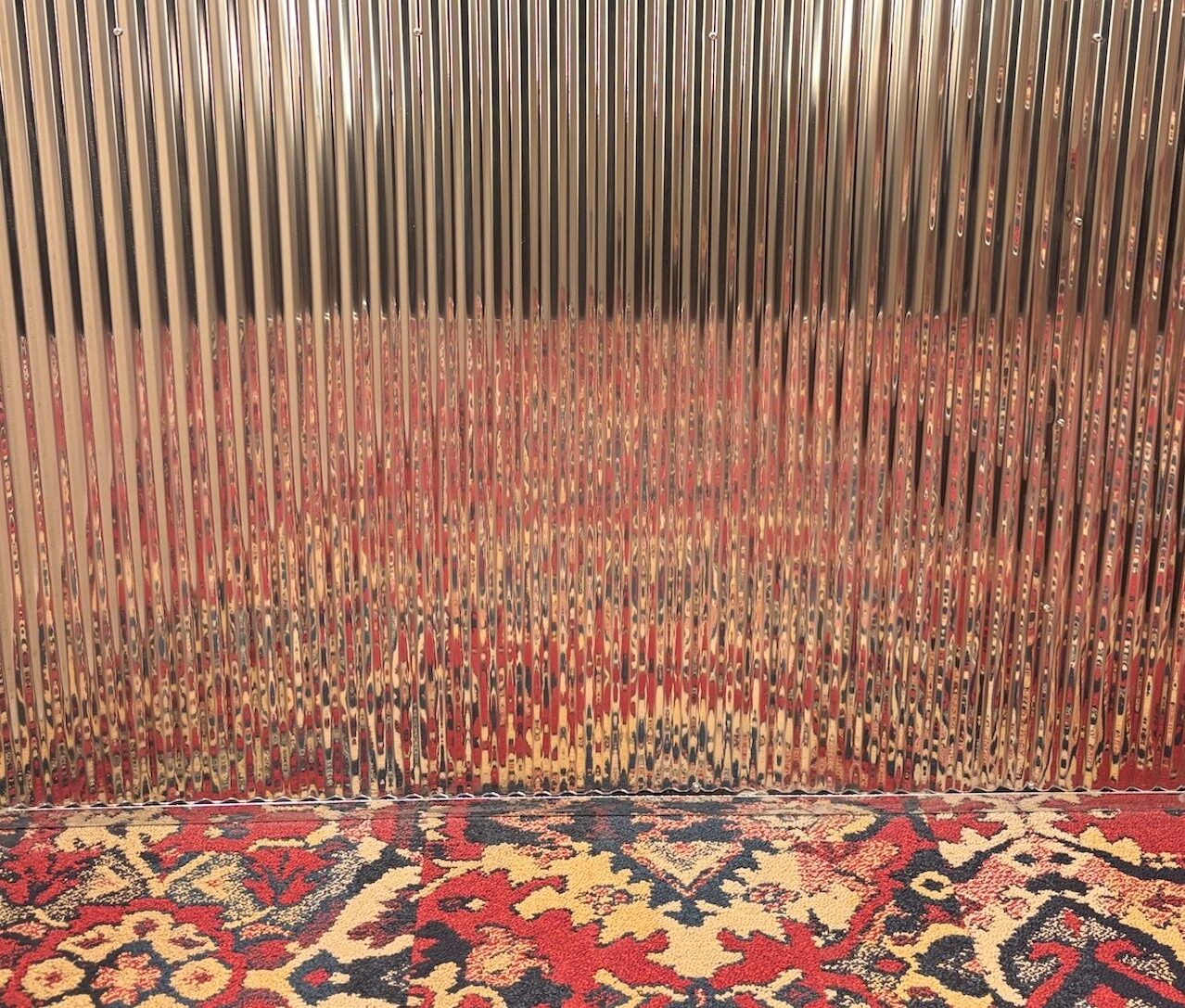
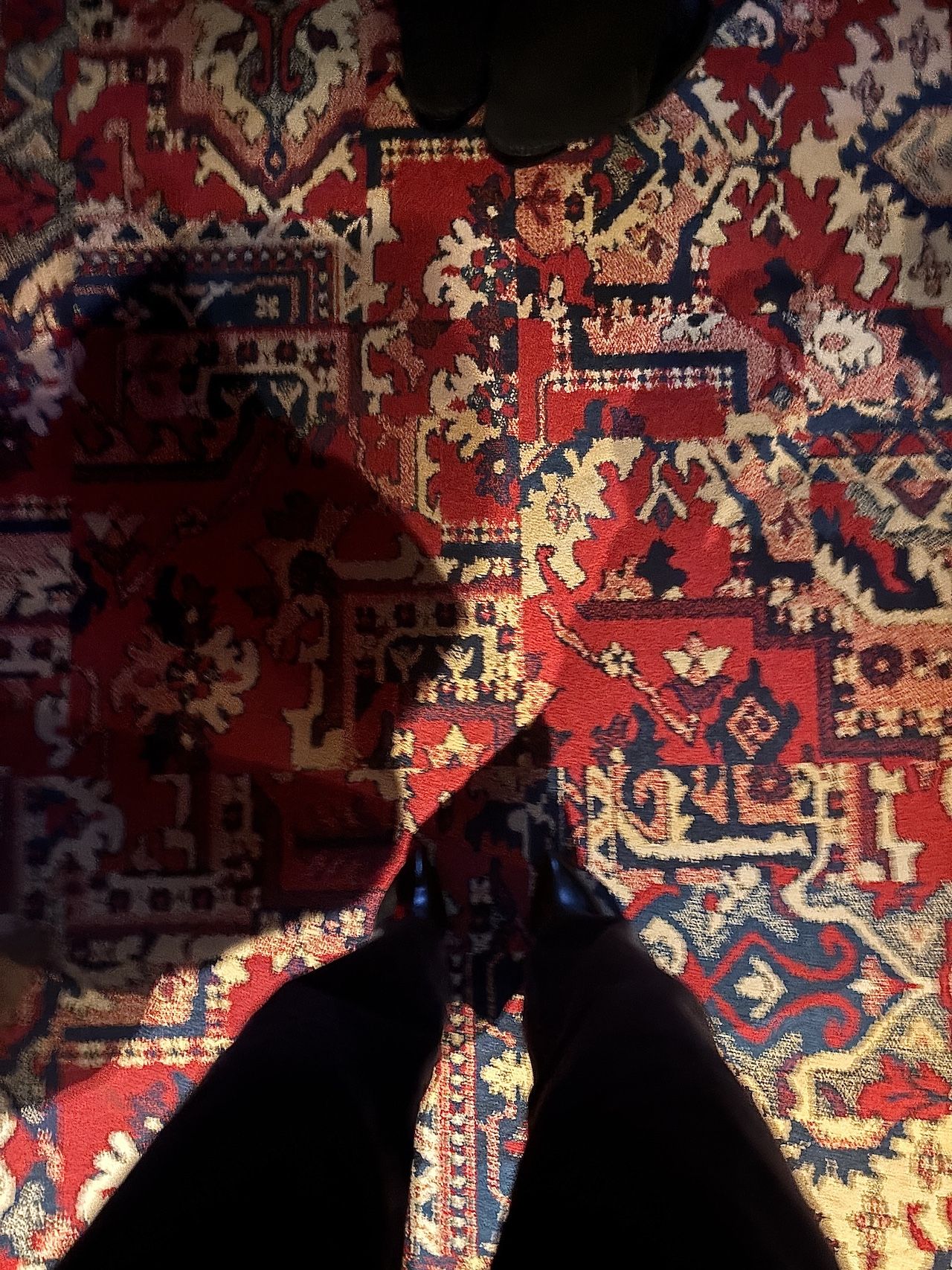
Plume also loved the club, which kept the stage, the giant mirror ball, and the theatrical vibe, the interplay of materials by Studio KO, and the blend of concrete and the club’s baroque motifs—like the carpets on the staircases of Haussmann-style buildings that spill over the floors and climb up the walls.
What we loved most of all was the atmosphere, the soundtrack that gets everyone dancing, and the people who aren’t there to show off their style, but to party.
@CapucinePlume


