Text and photos by Capucine Gougenheim
Hautes-Vosges: Nature Walks and Local Craftsmanship
A hidden gem waiting to be rediscovered
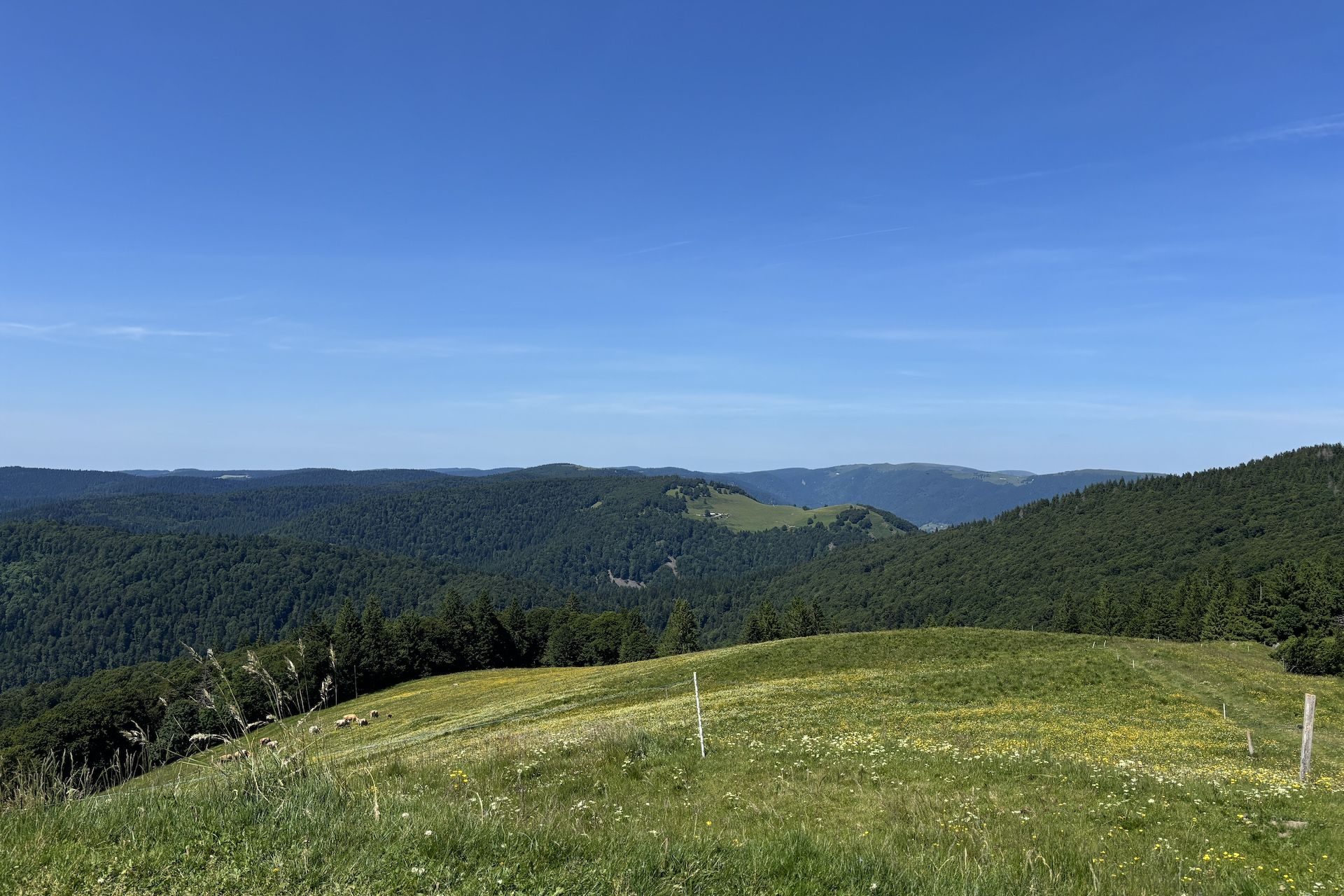
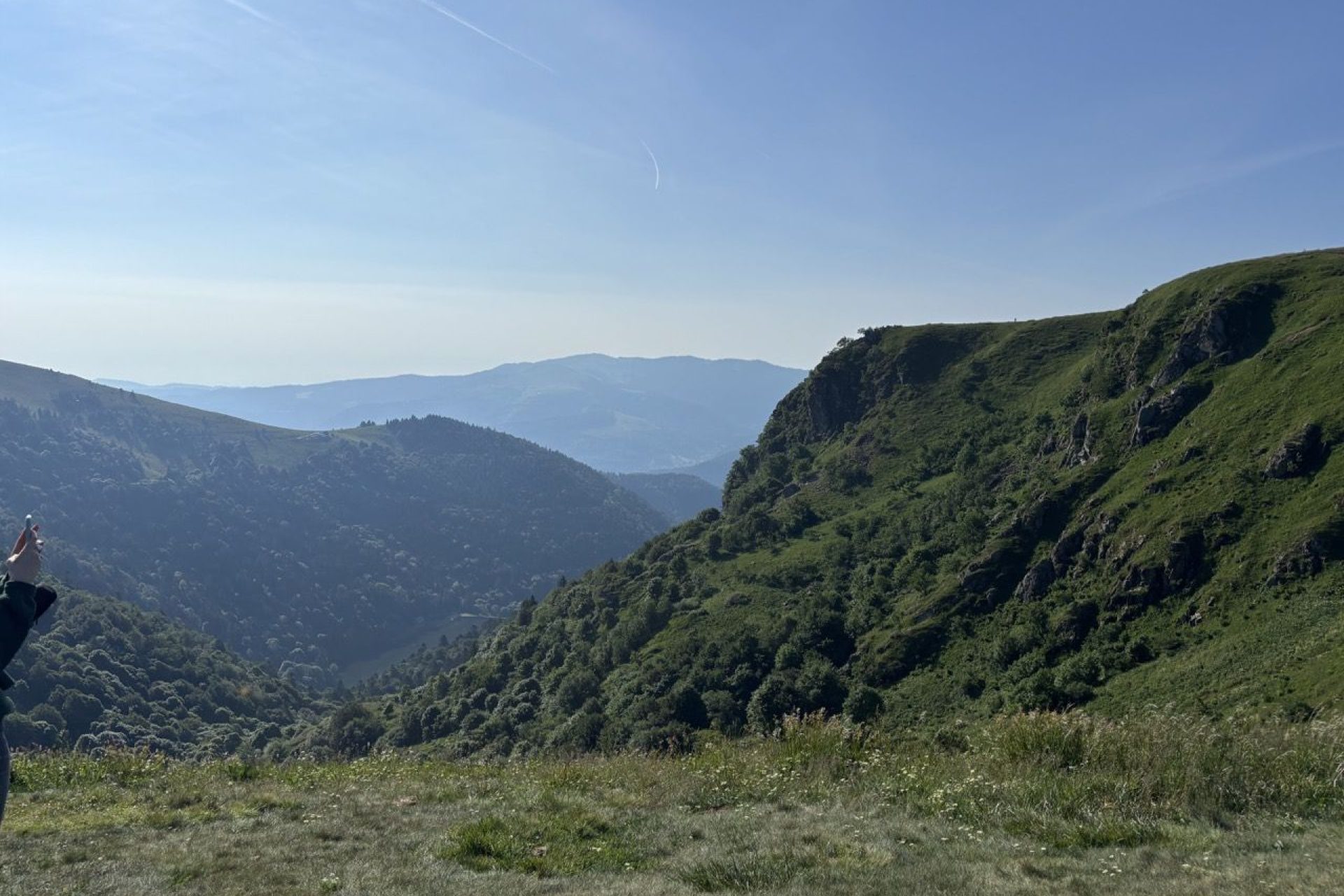
In the Hautes Vosges, nature reigns supreme. Between the dense forests of the Ballon d’Alsace, the steep-sided valleys, and the windswept peaks, this part of the Vosges Mountains reveals a different side of the French mountains—one that is more understated and rougher in character.
A destination dotted with distinctive spots deeply steeped in the region’s geography and history, from medicinal herb gardens and historic weaving workshops to organic blueberry orchards and farmhouse inns nestled among the thatched roofs.
Far from the crowded tourist routes, the Hautes Vosges cultivate a simple way of life, deeply rooted in the land and in tune with the rhythm of nature.
Le Drumont and the Hautes Chaumes
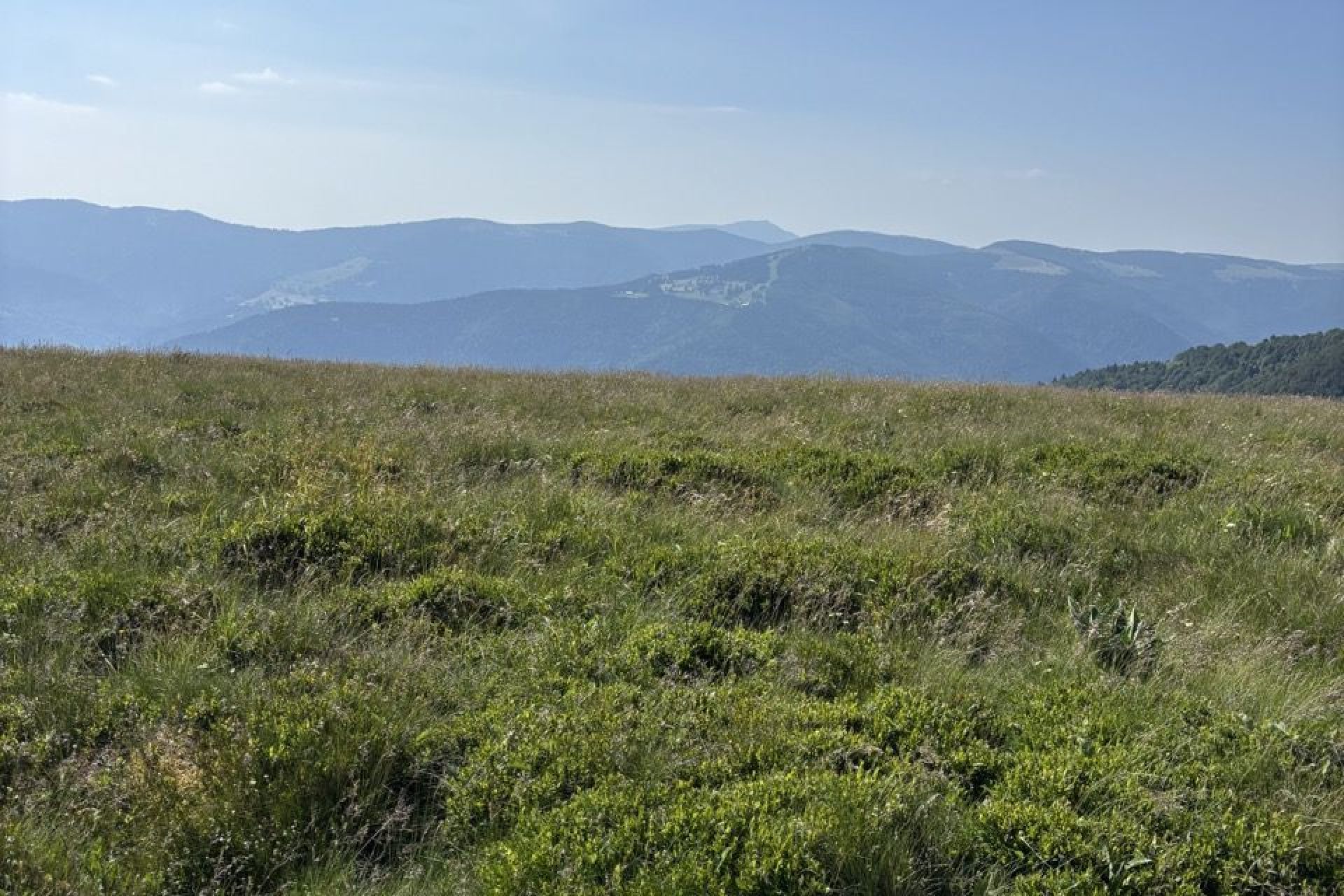
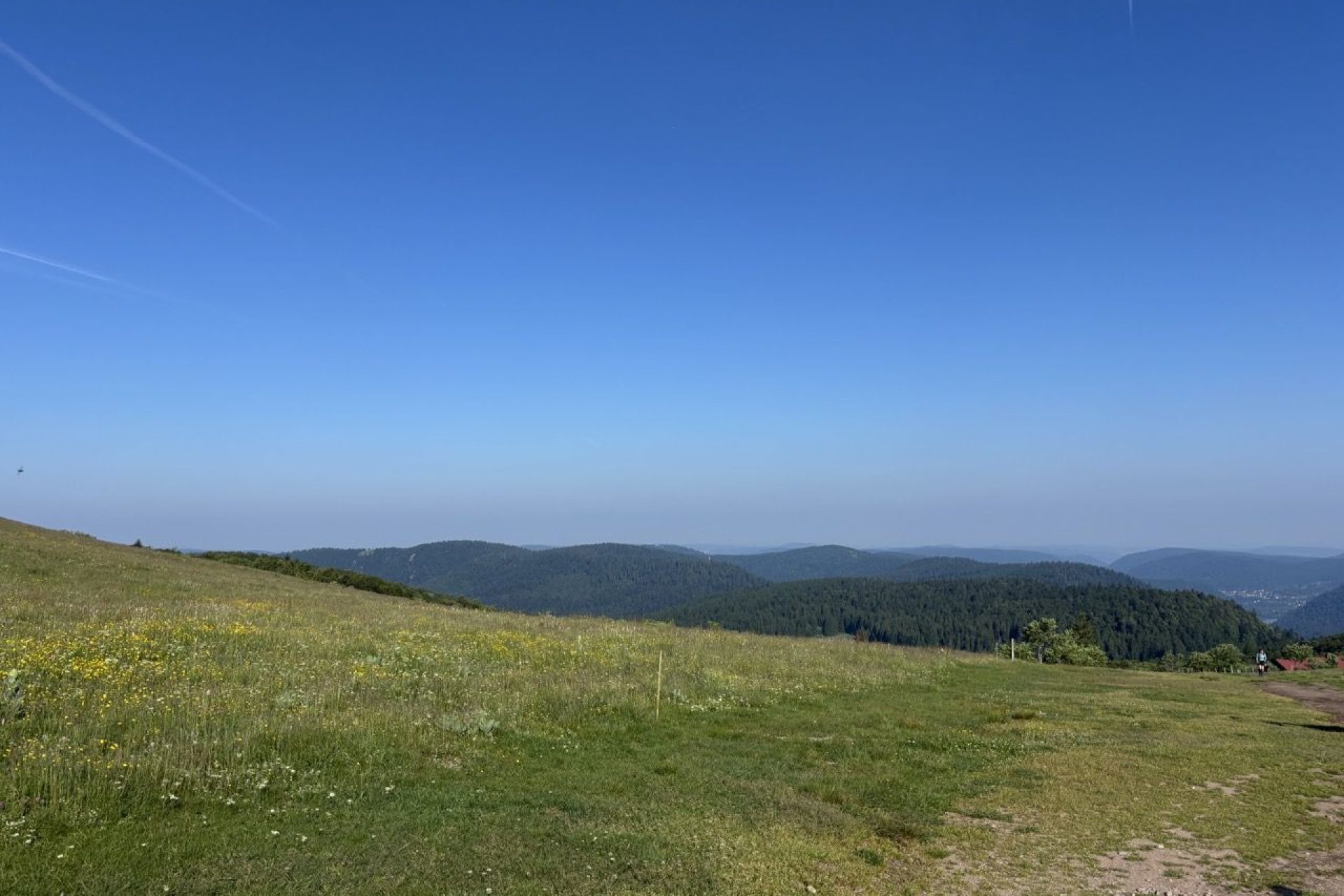
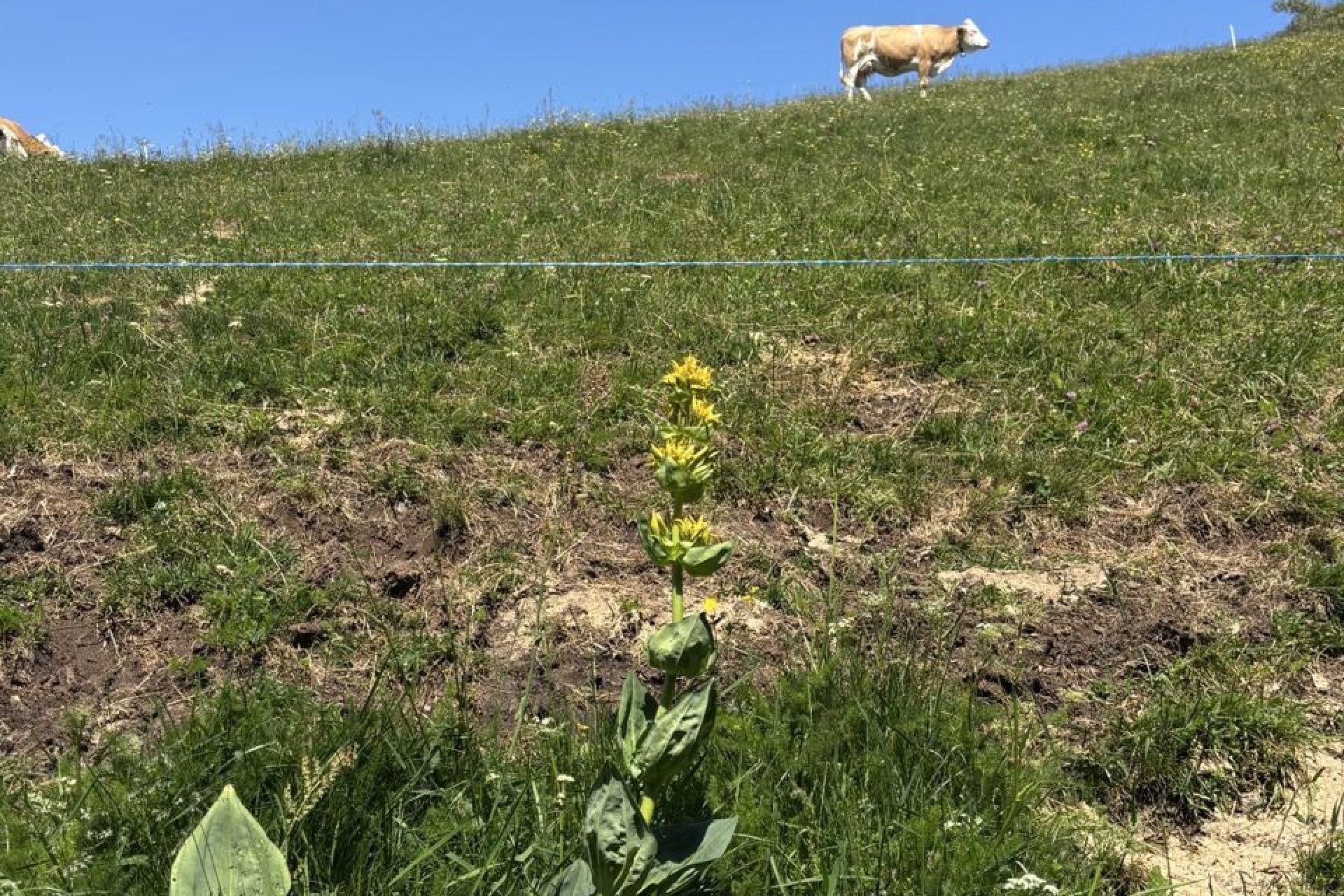
In these valleys near the Ballon d’Alsace, the landscape alternates between spruce forests, high-altitude grasslands, and open clearings leading up to the peaks. The Vosges Mountains span seven departments and offer more than 7,000 kilometers of marked trails. On the heights of the Drumont or the Hohneck, the panoramic views sometimes evoke the vast open spaces of the North. The cool climate allows certain alpine species to thrive here, such as the martagon lily and the Austrian anemone. At sunrise, chamois take to the steep slopes of the glacial cirques, in a landscape that remains largely unspoiled.
In the Haute-Vosges, herbalists, weavers, medicinal plant gatherers, and artisans tell the story of a region deeply rooted in its heritage. An accessible, unspoiled mountain region where people come as much to breathe fresh air as to discover a different perspective on French heritage.
Medicinal plants: another attraction of the Hautes-Vosges
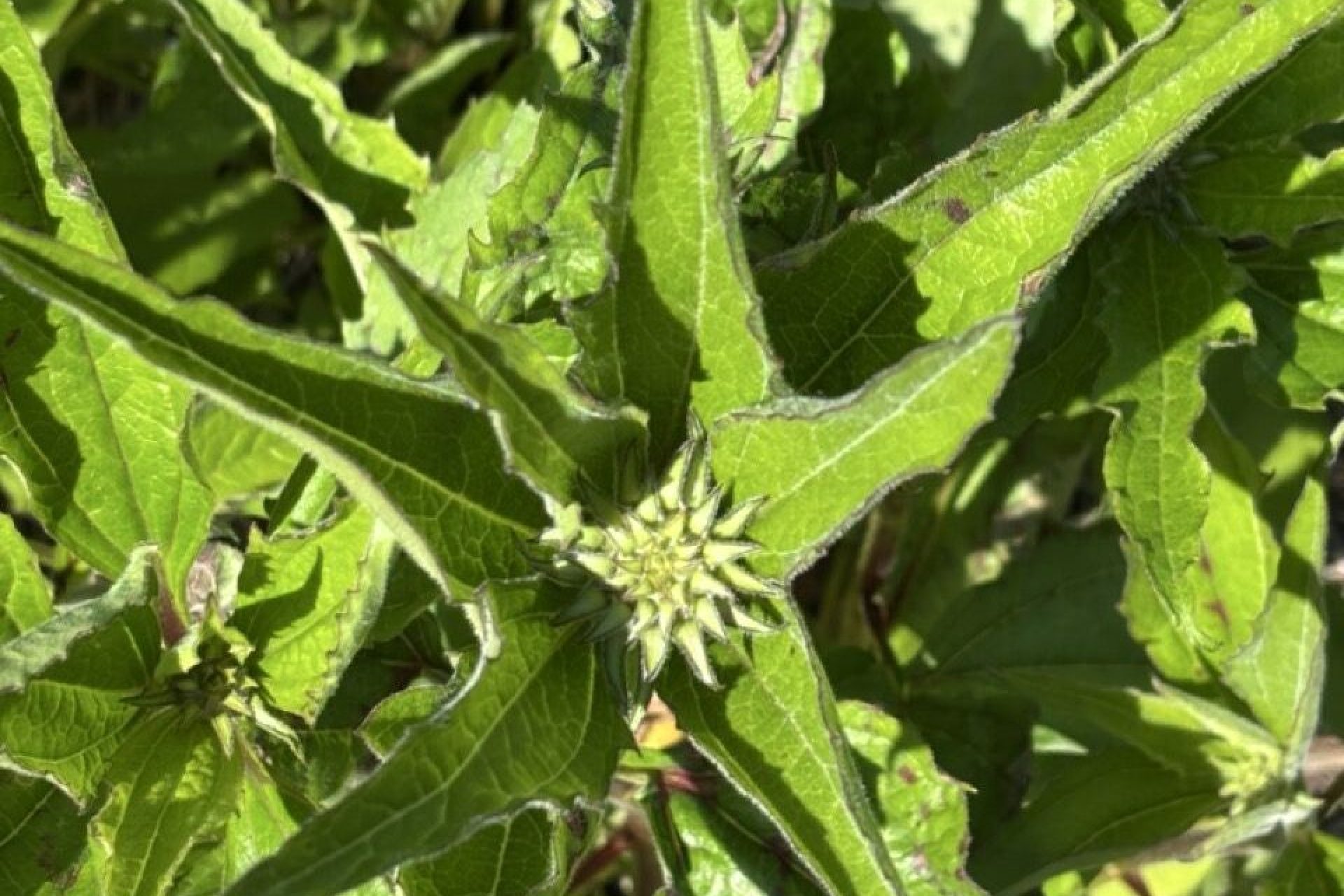
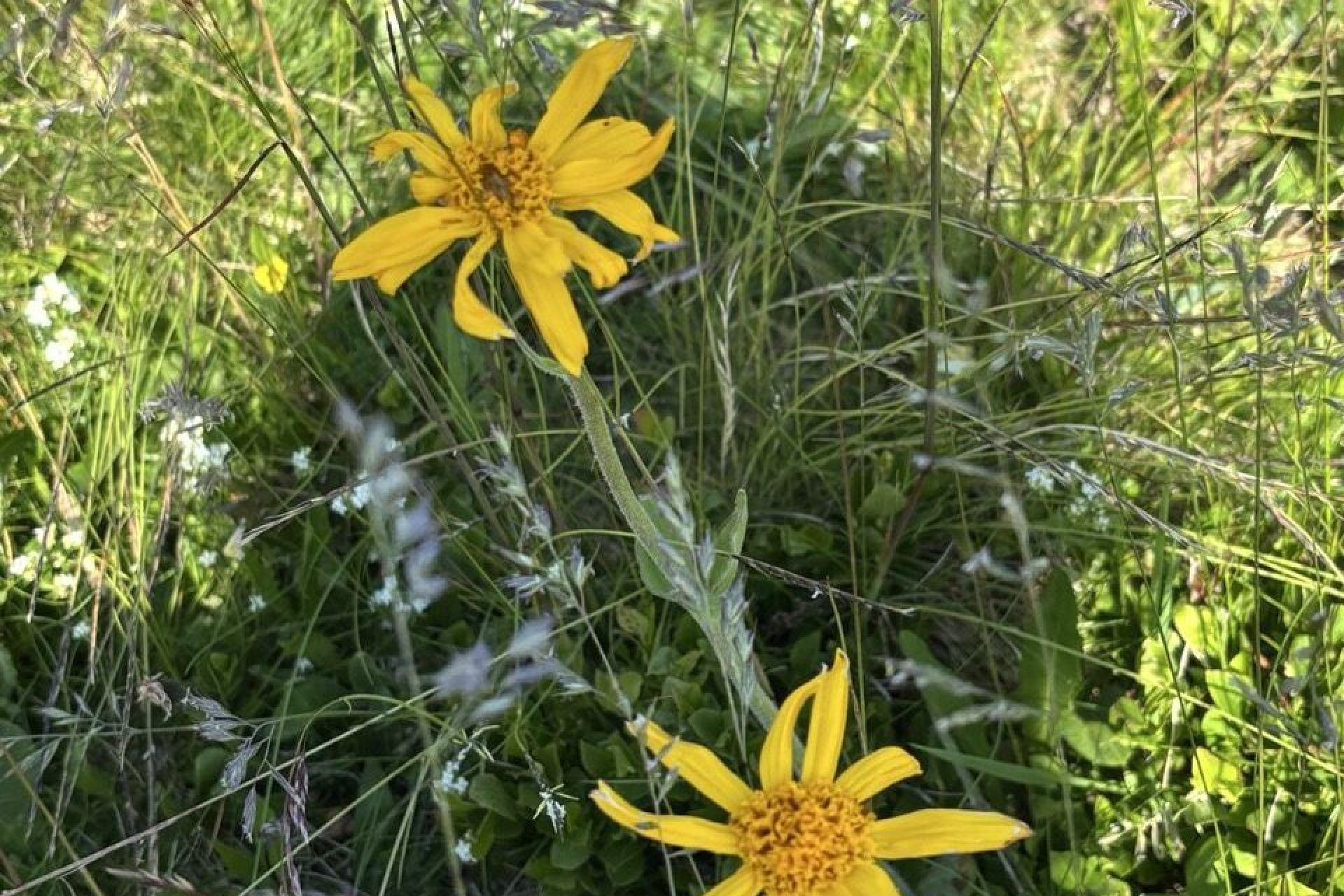
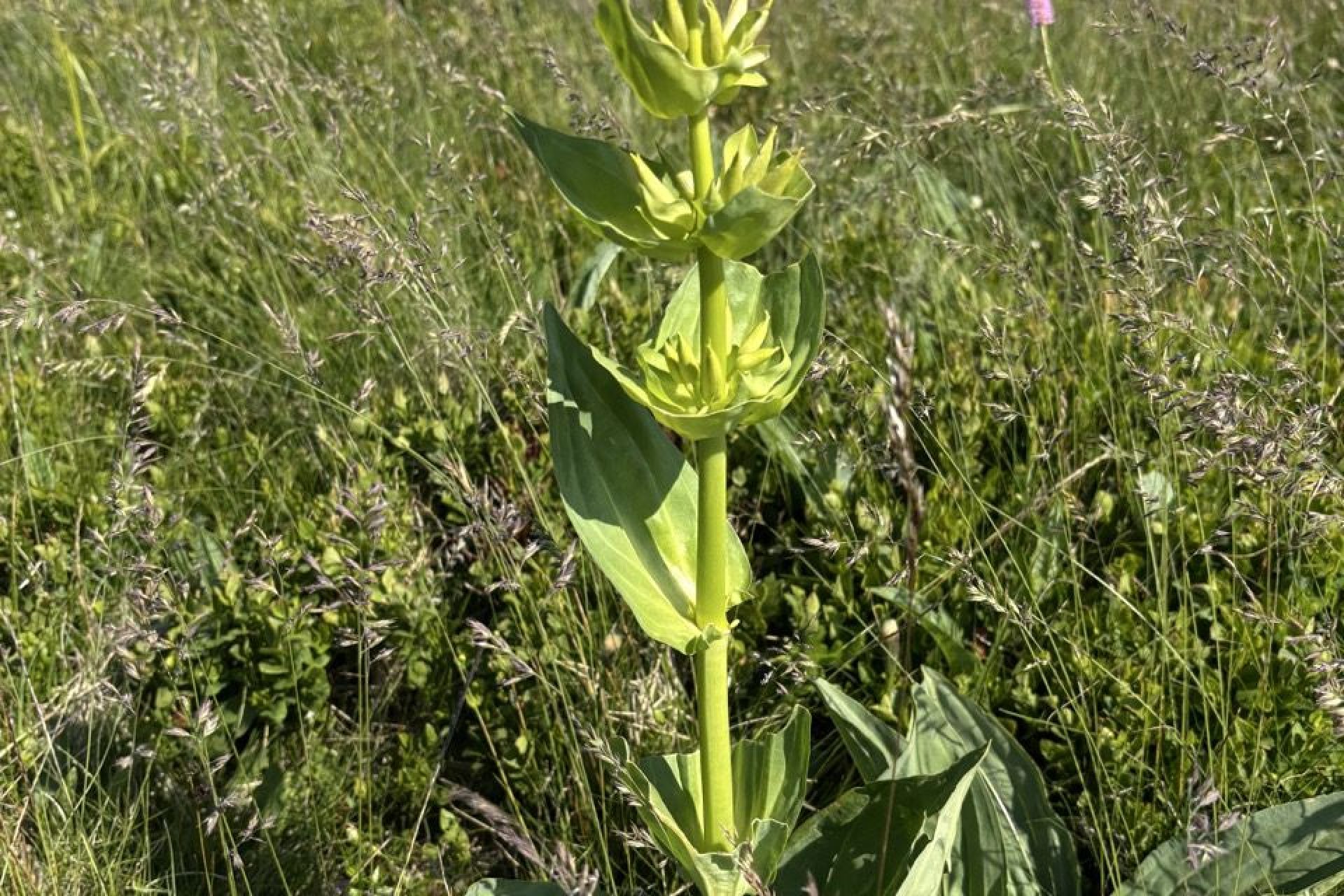
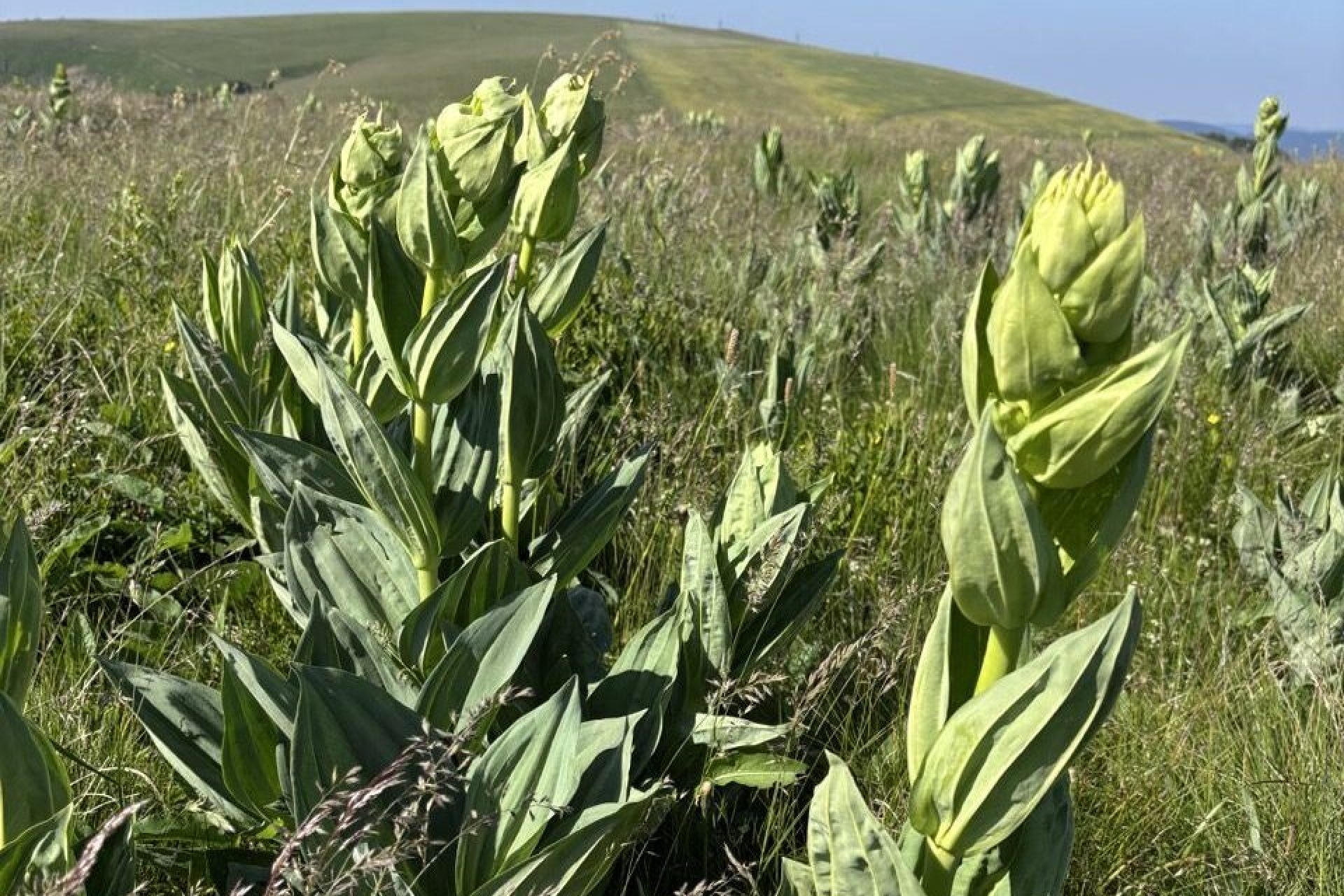
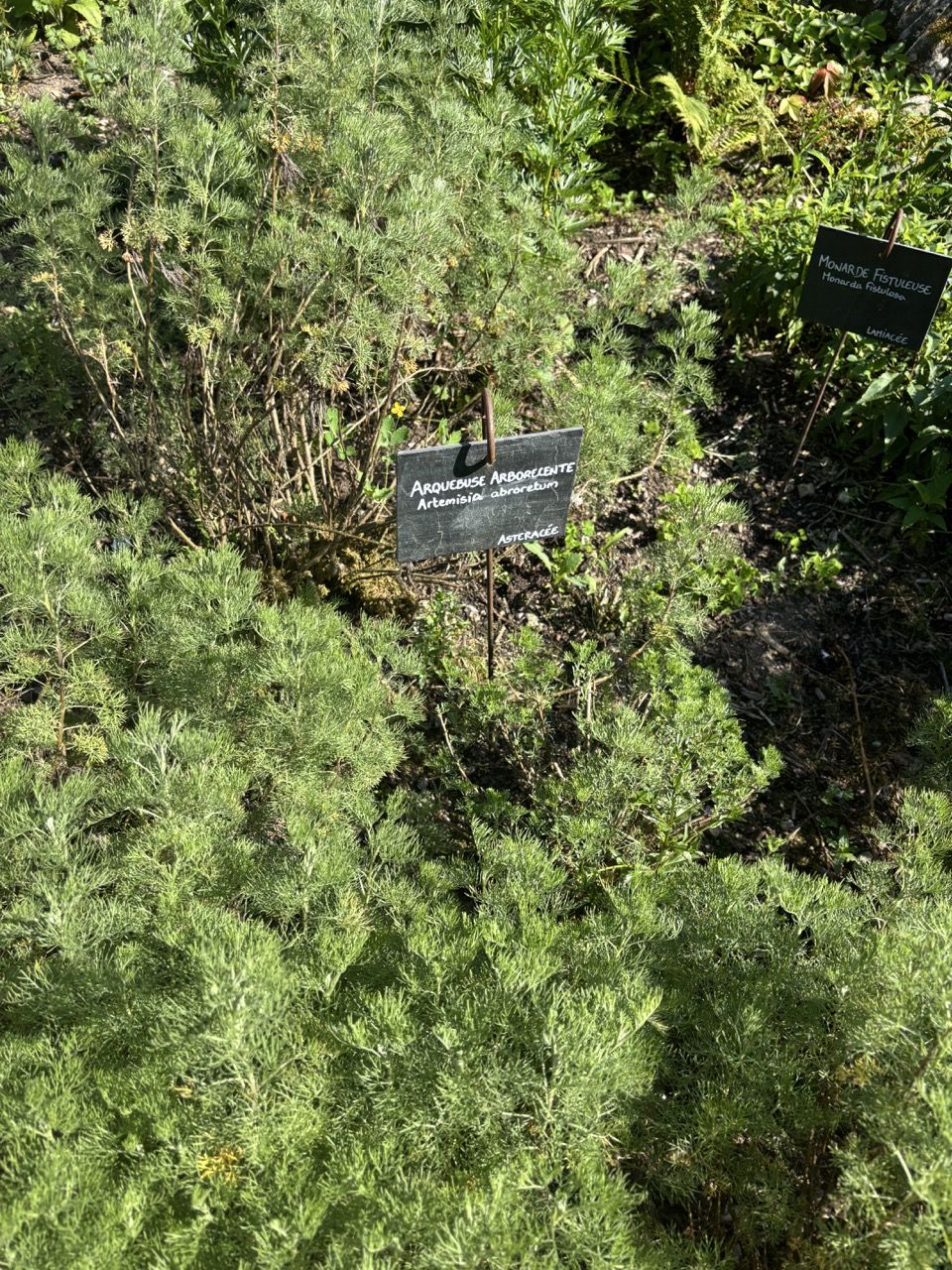
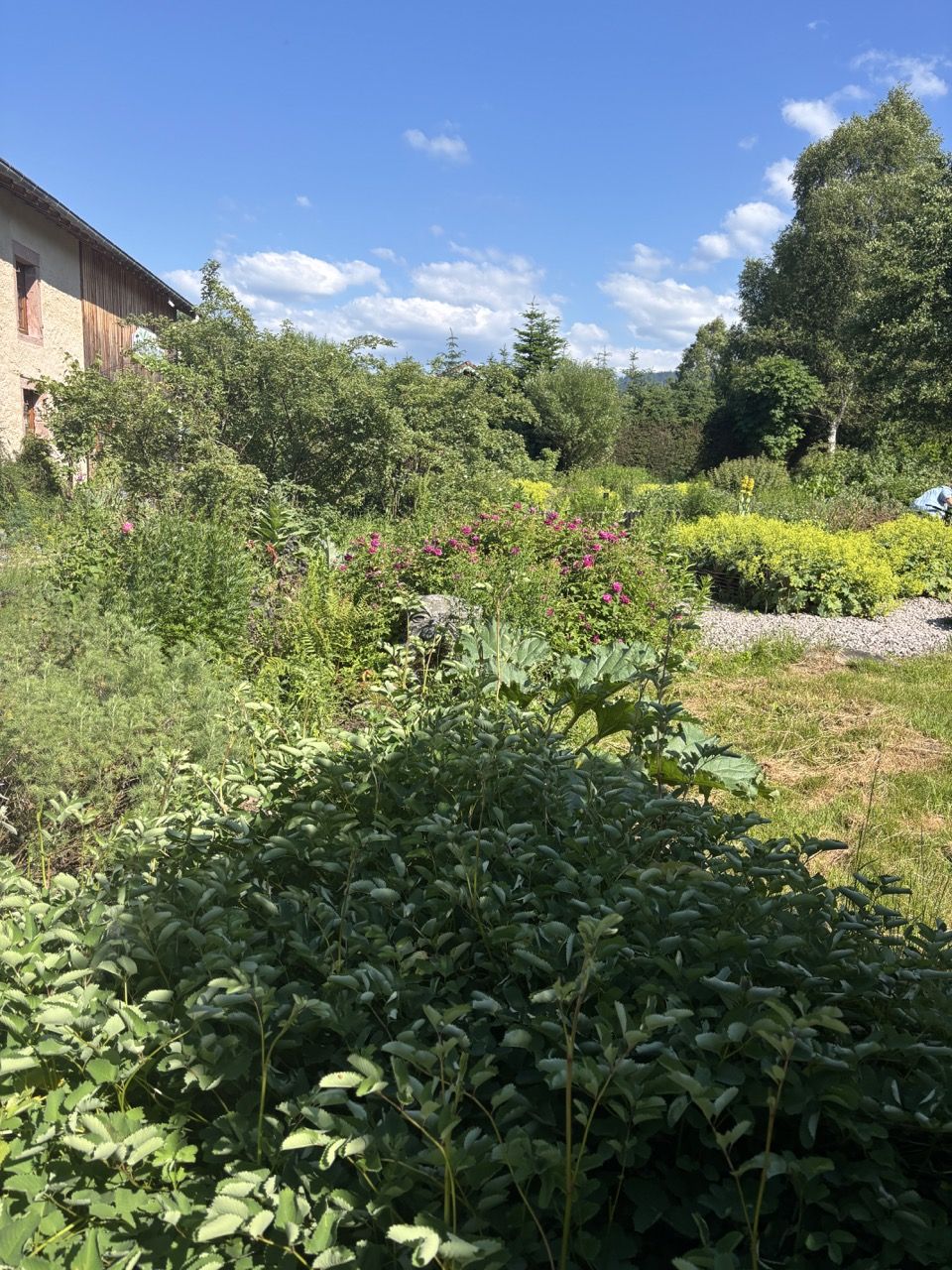
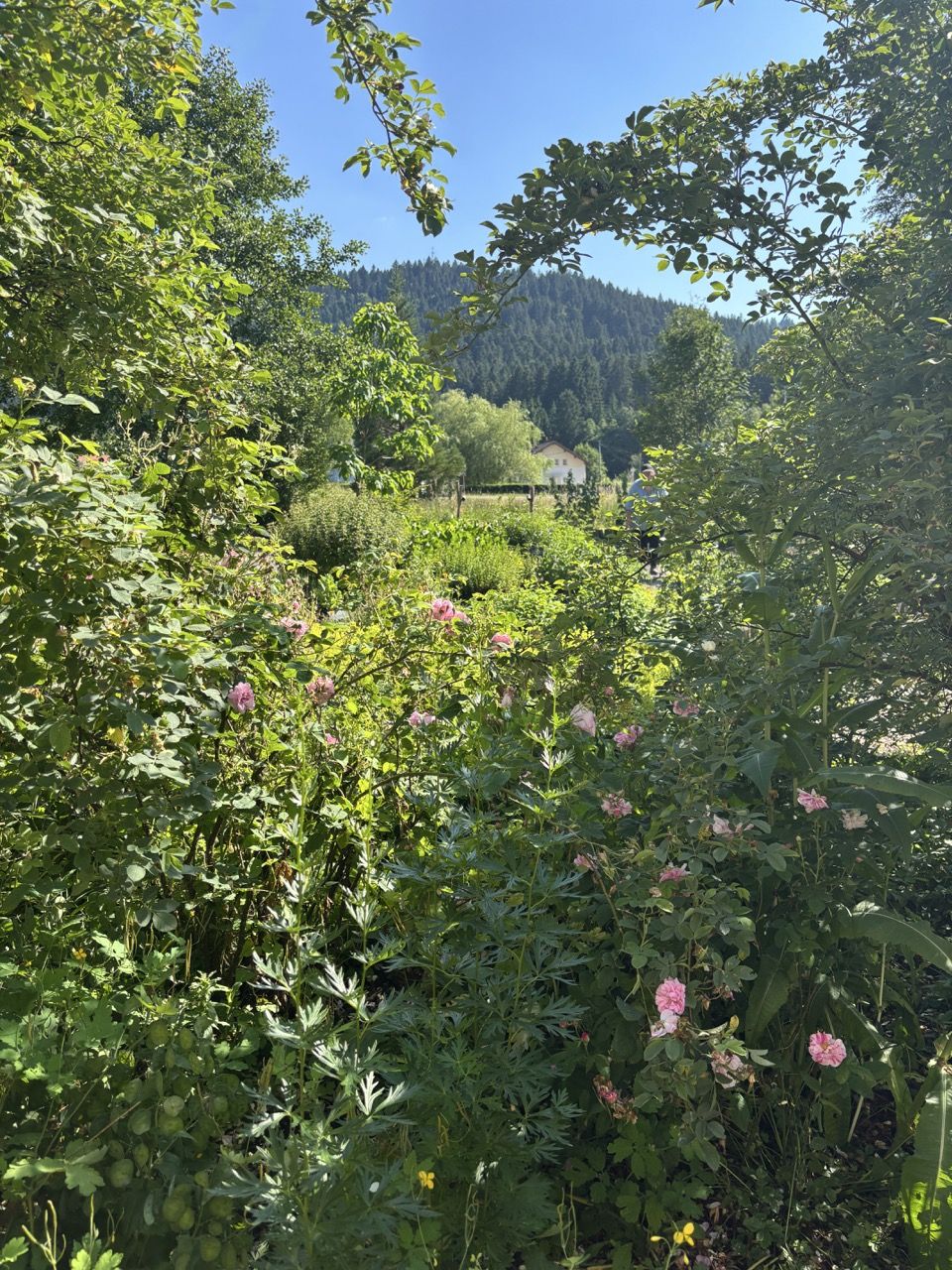
In the Hautes-Vosges, medicinal plants are as much a part of the landscape as the fir forests and high-altitude stubble fields. With its acidic soils, cool climate, and unspoiled terrain, the region is home to a wide variety of plants that have long been used by herbalists and are now being cultivated once again by a new generation of growers.
Arnica, lemon balm, German chamomile, echinacea, hyssop, lady’s mantle, valerian, angelica, mallow, savory, oregano, and wild garlic all grow here in conditions close to their natural habitat. Some plants, such as arnica, are becoming more vulnerable due to climate change and now require controlled cultivation to preserve the wild stock, which is known to be richer in active ingredients.
On medicinal plant farms in the Hautes Vosges, crops combine local species with more unexpected varieties such as Korean shiso, bergamot mint, tulsi basil, and camerise—a small North American berry similar to the blueberry and known for its high antioxidant content.
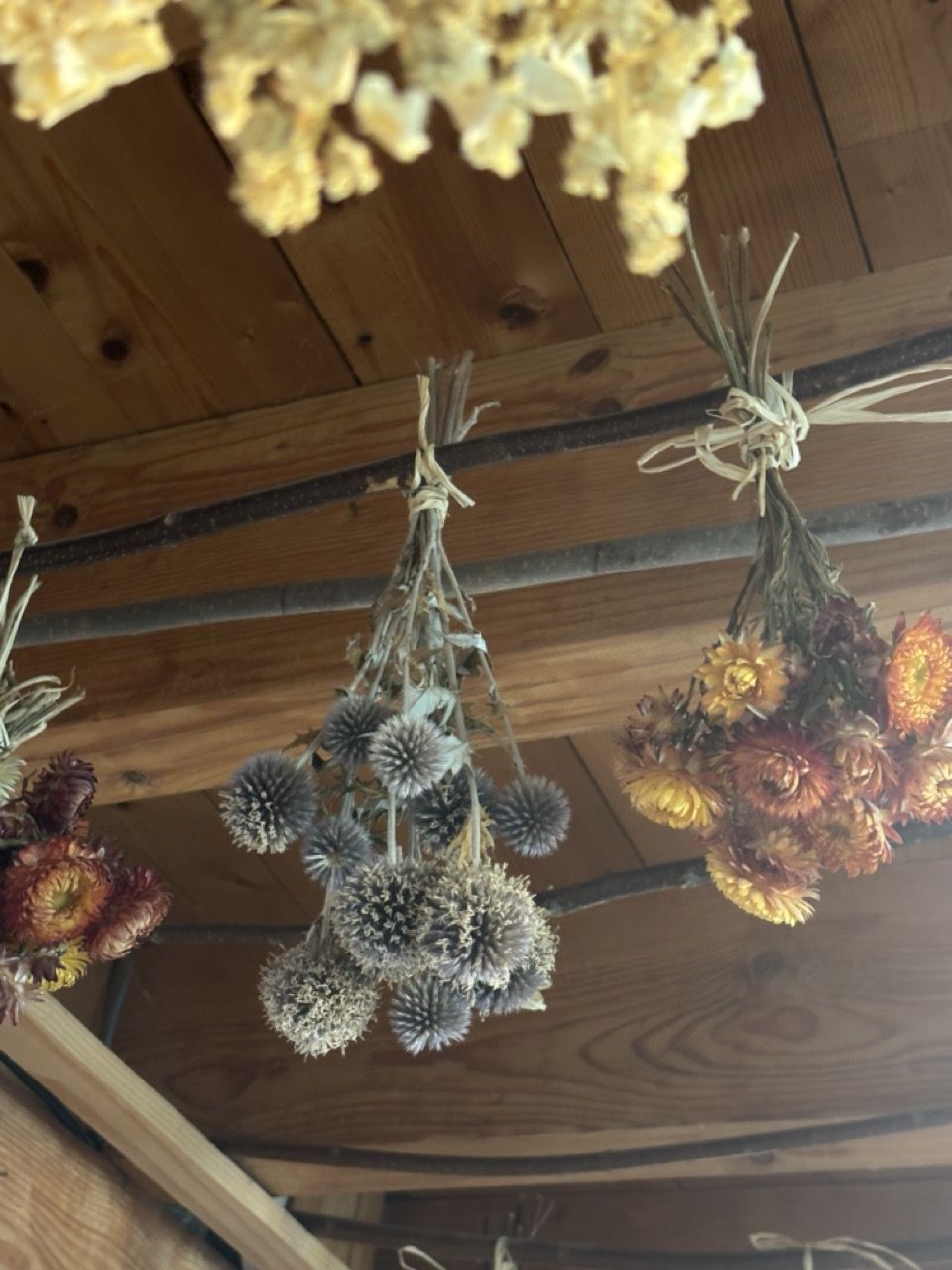
Harvests peak in July and August, after which the plants are processed using traditional methods: hydrosols, essential oils, alcoholates, herbal teas, or mother tinctures. Many foragers, growers, distillers, and herbalists cultivate all these varieties and process the plants using traditional methods in some cases.
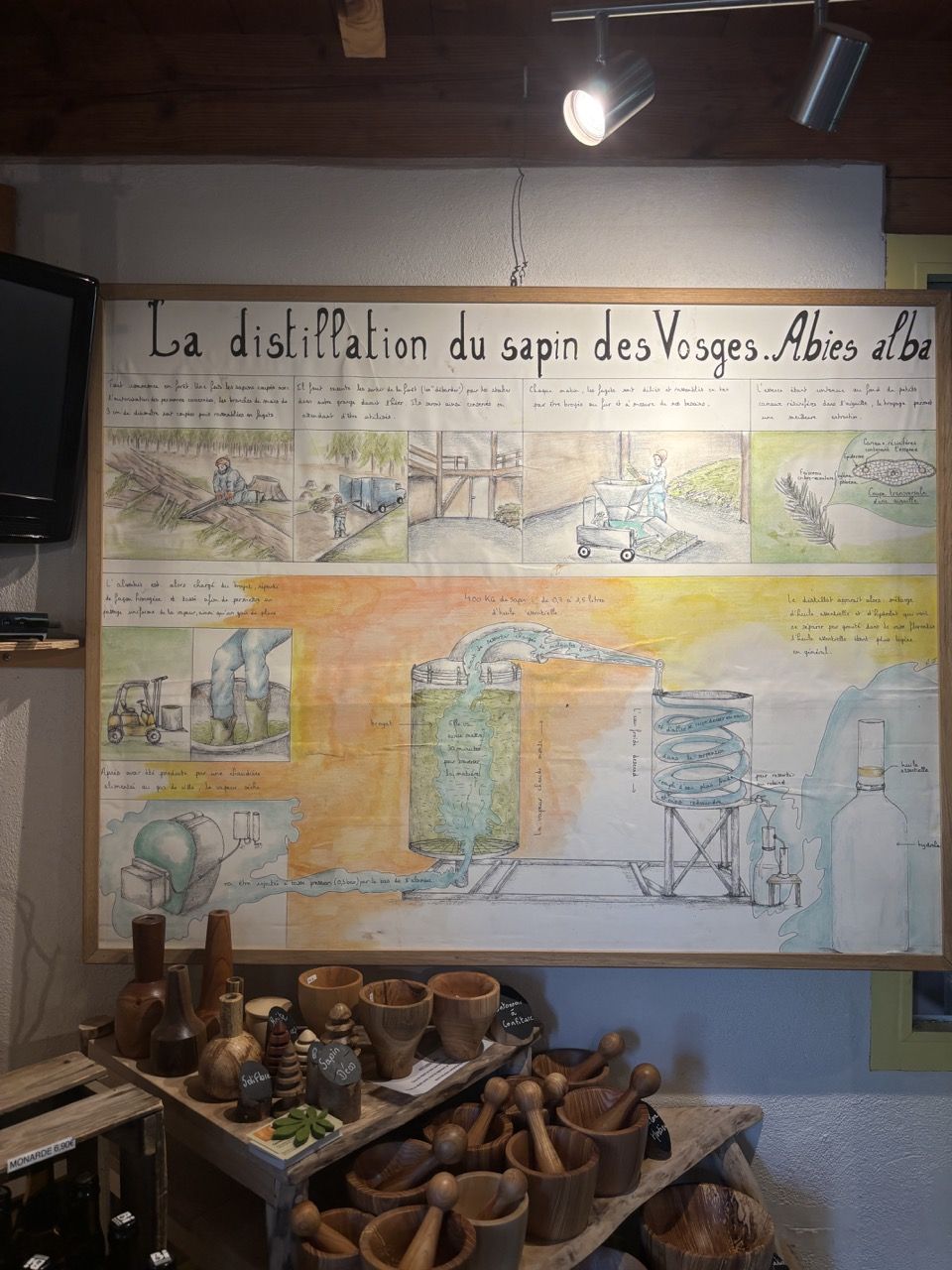
Distillation is still carried out by steam distillation in copper stills heated to nearly 100 degrees, following an ancestral process.
Here, each plant tells the story of a mountain terroir. Fir, lemon balm, German chamomile, lady’s mantle, angelica, and arnica make up a living, organically cultivated garden, where discussions of acidic soils, climate, and biodiversity are just as common as those of well-being.
The Wellness Farm in Gérardmer
Among these establishments, La Ferme du Bien-Être has been carrying on this legacy since the late 1980s. This organic farm, located in the Hautes-Vosges, cultivates and harvests nearly 80 plants, including about 30 wild varieties. Essential oils, dried plants, infusions, and skincare products are crafted there with a commitment to full traceability and on-site processing. The farm is particularly renowned for its Vosges fir oil and its work with mountain plants, some of which are harvested up to 100 kilometers from the farm. This approach is deeply rooted in the local landscape, where the belief is that the quality of the plants depends above all on the richness of the soil that nourishes them.
Ferme du Bien-Etre
698 Route d’Epinal Le Beillard
88400 GERARDMER
Les Vergers des Avolets in Rupt-sur-Moselle
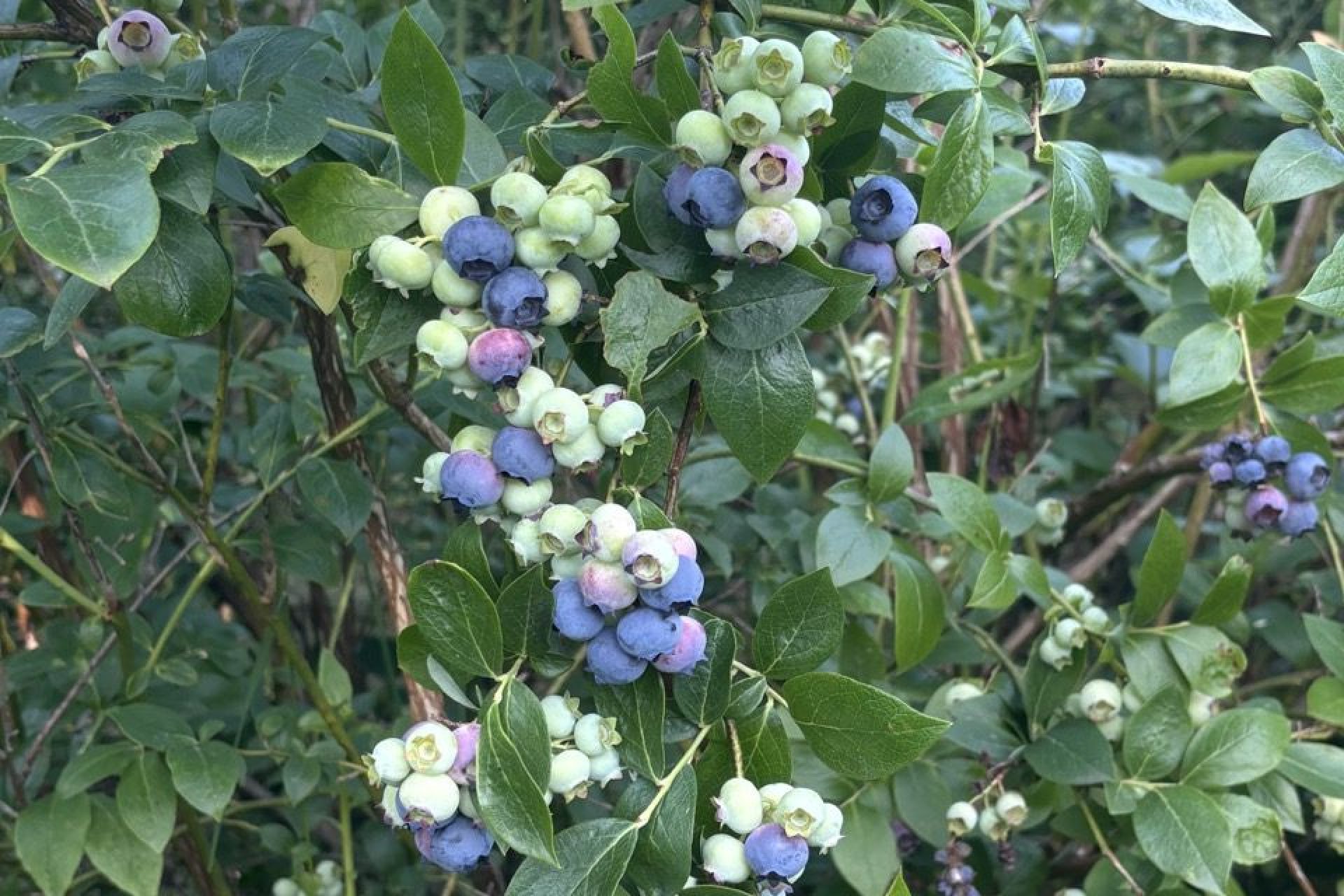
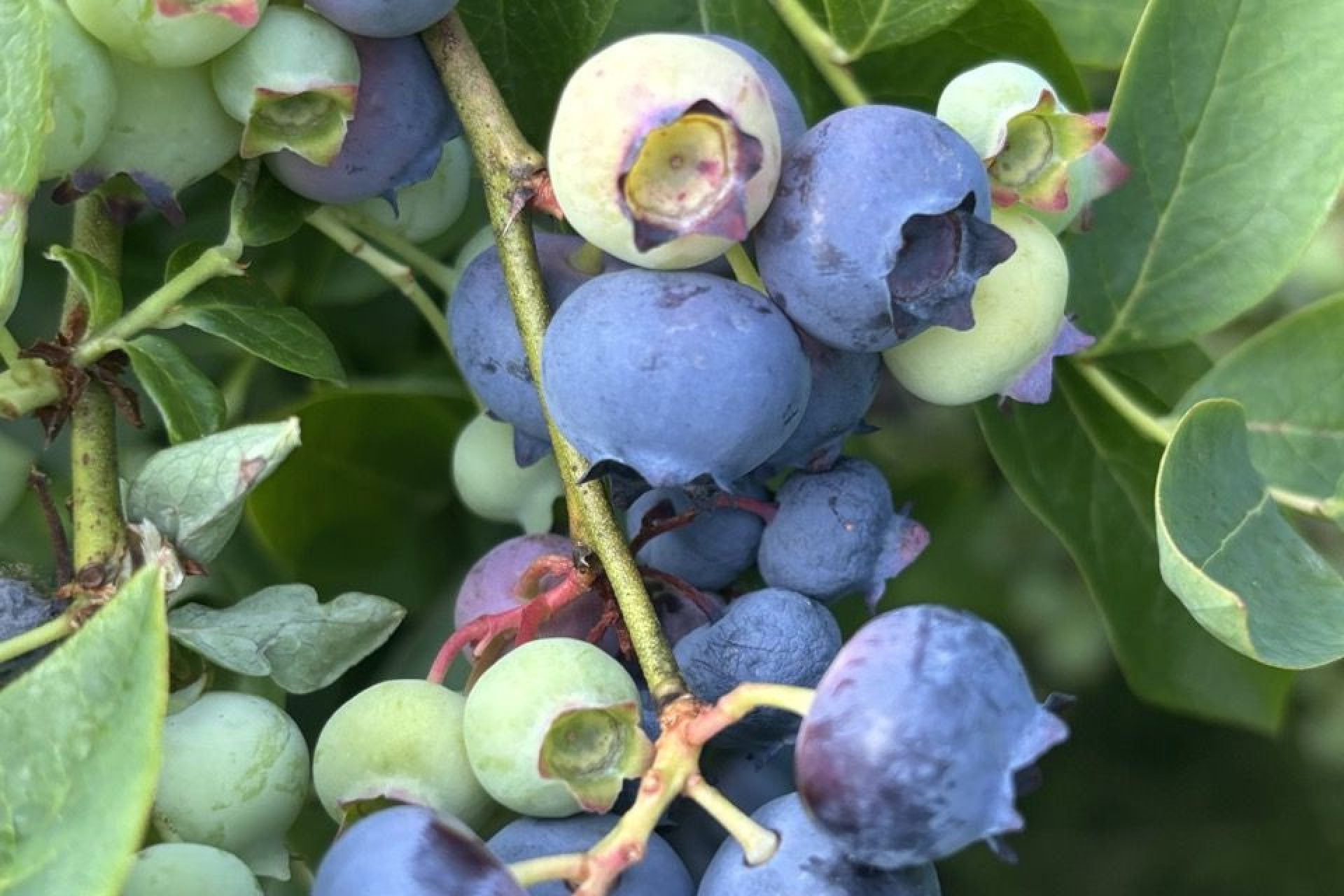
In Rupt-sur-Moselle, Bruno Vincent has been growing the famous Vosges blueberries at Les Vergers des Avolets for nearly forty years. On one hectare, this organic grower cultivates more than 3,000 blueberry bushes—
—in a region often compared to Canada. Harvests stretch throughout the summer thanks to different varieties, while the fruit is transformed into nectars, liqueurs, sparkling drinks, or craft beers. Here, the fruit remains at the heart of everything: the blueberries are hand-picked, processed with minimal intervention, and showcased in a range of products that stay true to their original flavor.
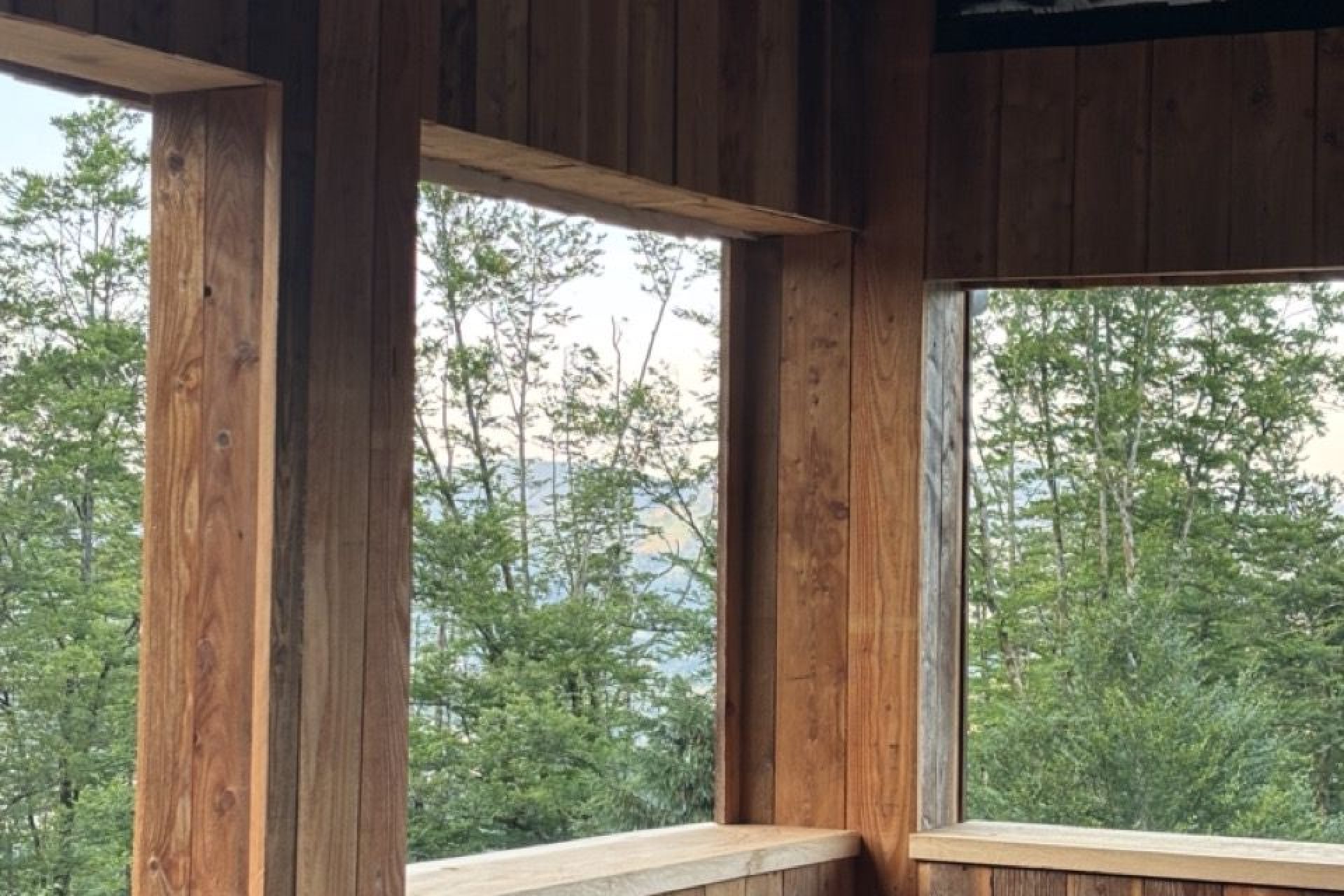
The Bearded Dahu Farm in Ramonchamp
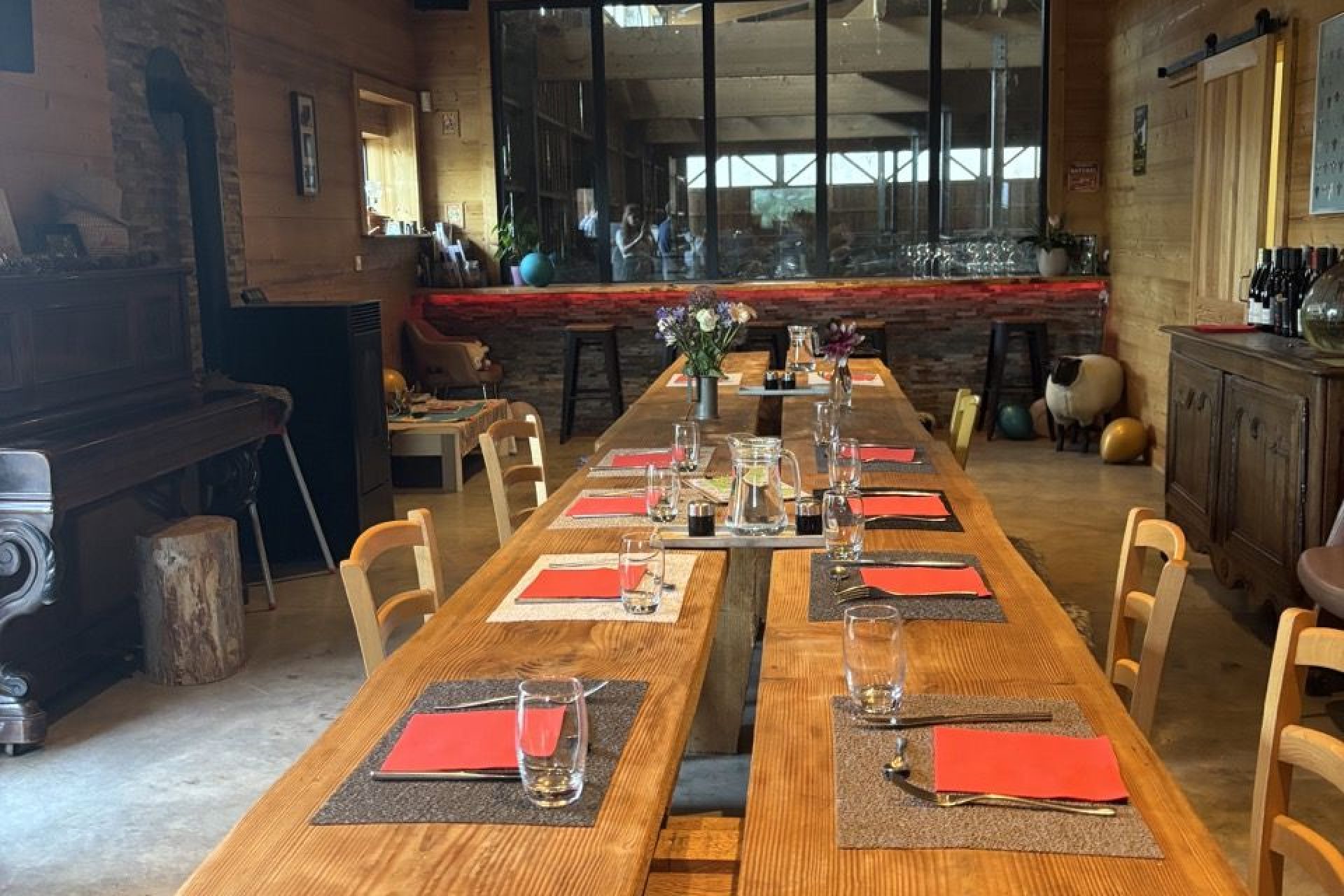
In Ramonchamp, the Ferme du Dahu Barbu offers a different perspective on the Hautes-Vosges. Bruno Barbe, a former soldier in the Army’s light aviation unit, changed careers alongside his wife, Fanny, to create this place centered on nature and hospitality. At this farm-inn, which opened in 2018, local produce takes center stage on the menu, while the guesthouses immerse visitors in a quiet, secluded forest setting. The place attracts both hiking enthusiasts and travelers seeking a more off-the-grid getaway.
La Ferme du Dahu Bahu
15 La Colline
88160 Ramonchamp
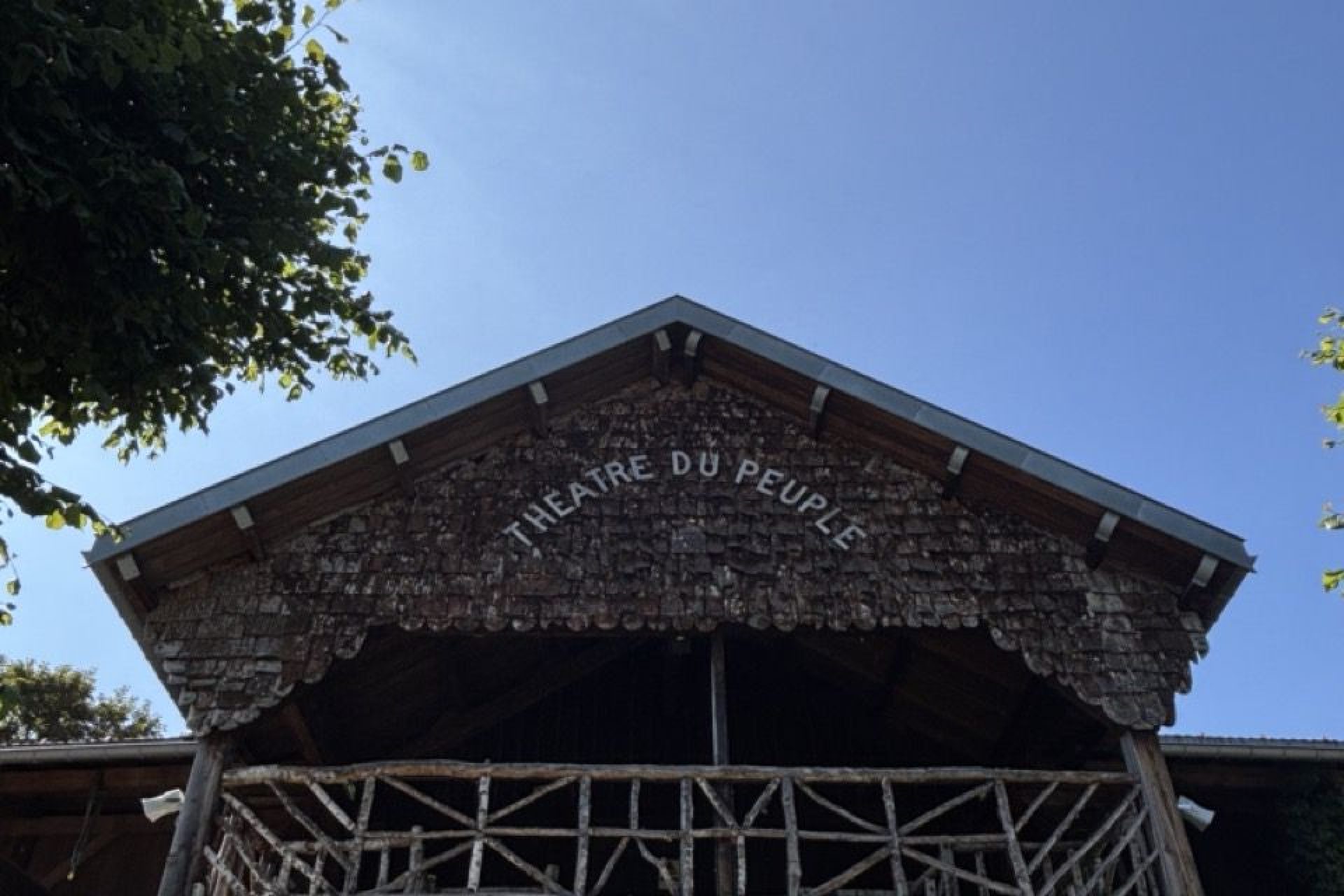
The People's Theater in Bussang
Listed as a Historic Monument since 1976, the Théâtre du Peuple is celebrating its 130th anniversary this year. Founded in the heart of the Vosges, this unique theater continues to enliven the valley with a popular yet sophisticated summer program.
Founded in the late 19th century by Maurice Pottecher, this wooden theater surrounded by forest will celebrate its 130th anniversary in 2026 with a large-scale production conceived as a grand living fresco. Throughout the summer, audiences will follow several generations of actors, residents, and figures connected to the theater through an immersive production that traces the history of the venue and the region. Here, the performance is as much a part of the Vosges landscape as it is of the collective memory: people come for the artistic experience, for this unique atmosphere, nestled between mountains, forests, and a cultural utopia that remains alive today.
From July 16 to August 28, 2026, in a makeshift outdoor theater,the humanist and artistic utopiaenvisioned by Maurice and Camille Pottecher will take the form of a six-part theatrical series,*Hériter des brumes – La folle histoire du Théâtre du Peuple* (Inheriting the Mists – TheCrazy Story ofthe People’s Theater), written byAlix Fournier-PittalugaandPaul Francesconi, directed byJulie Delille.
Théâtre du Peuple
40 rue du Théâtre du Peuple
88540 Bussang
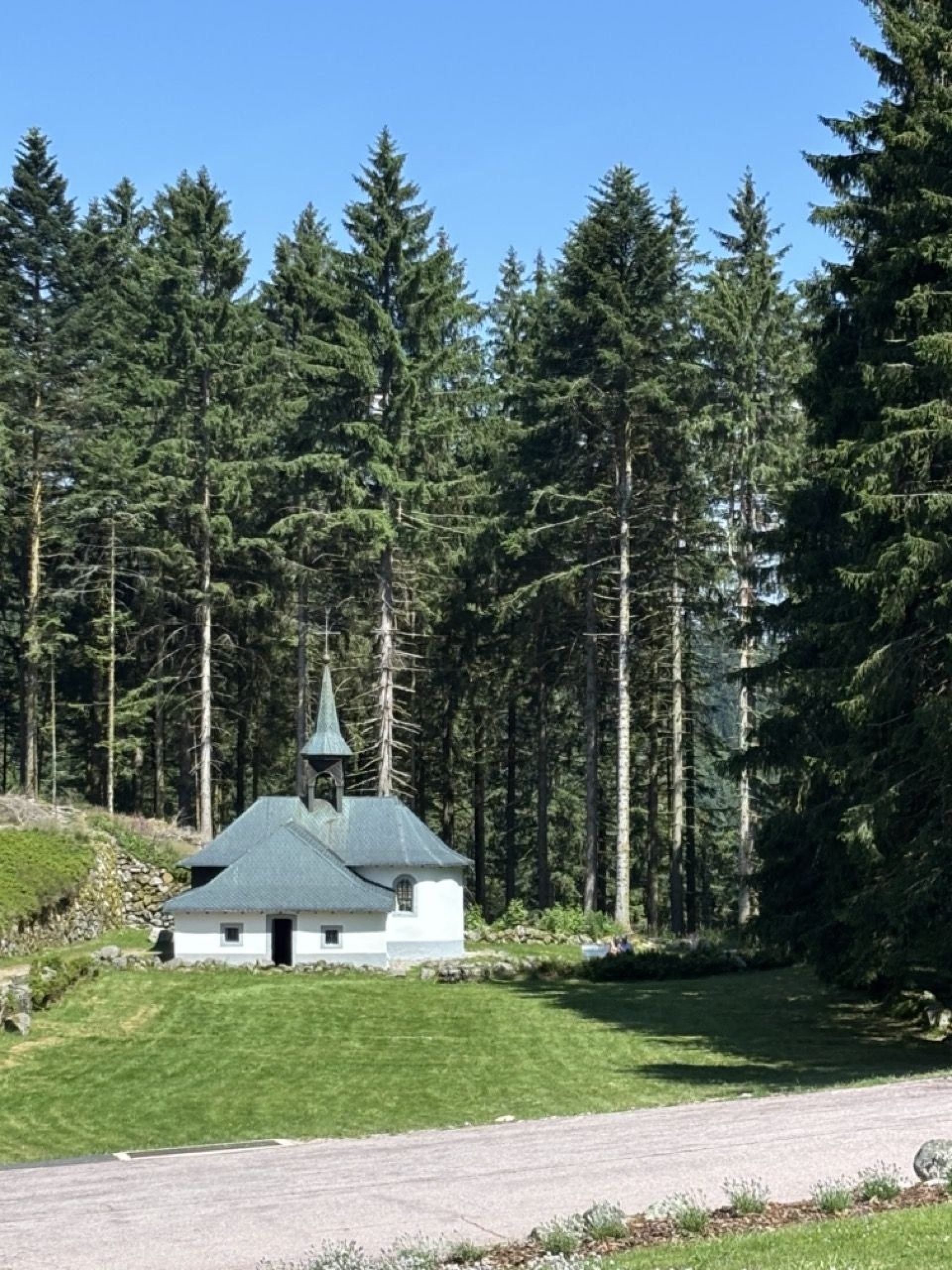
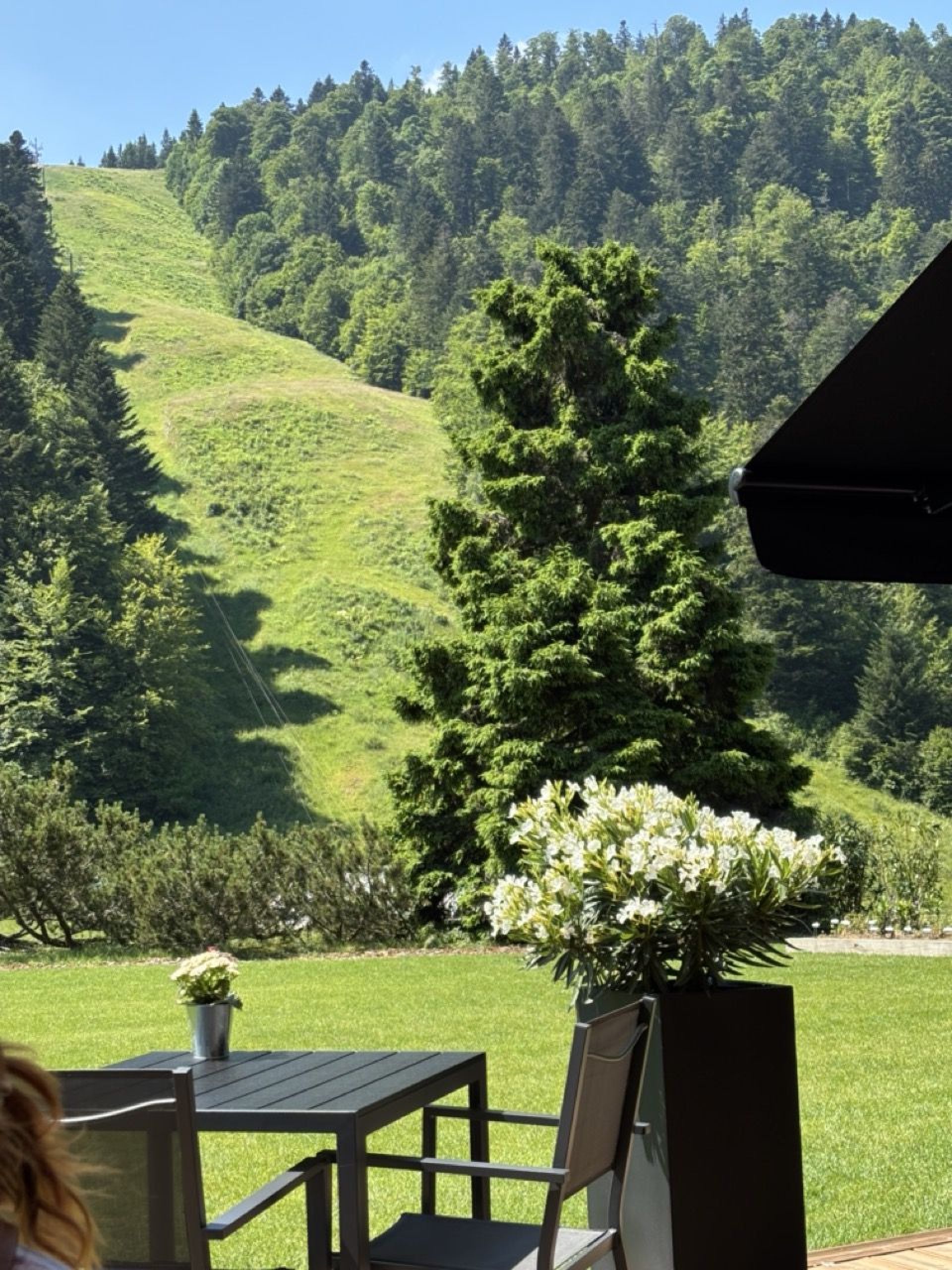
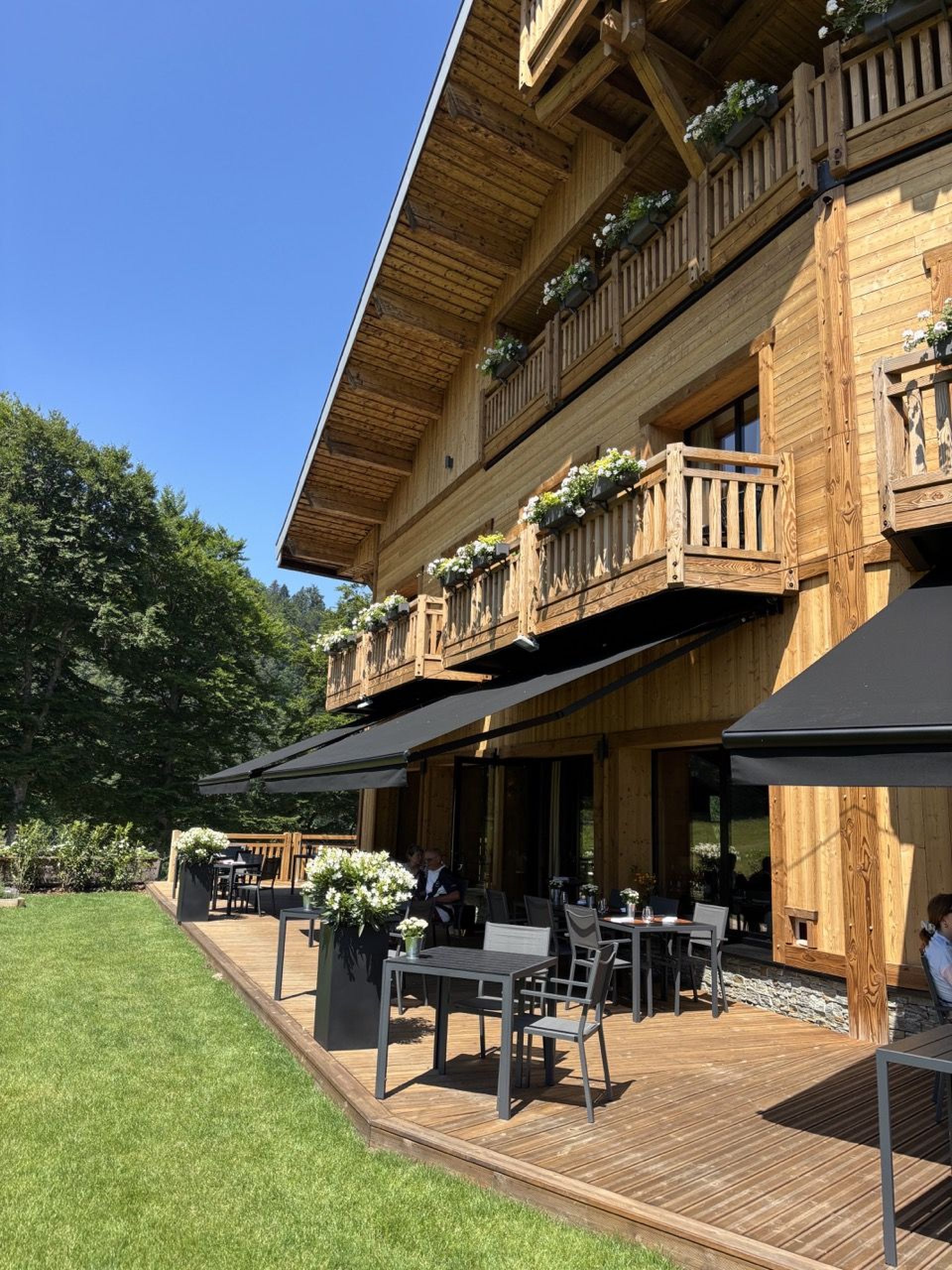
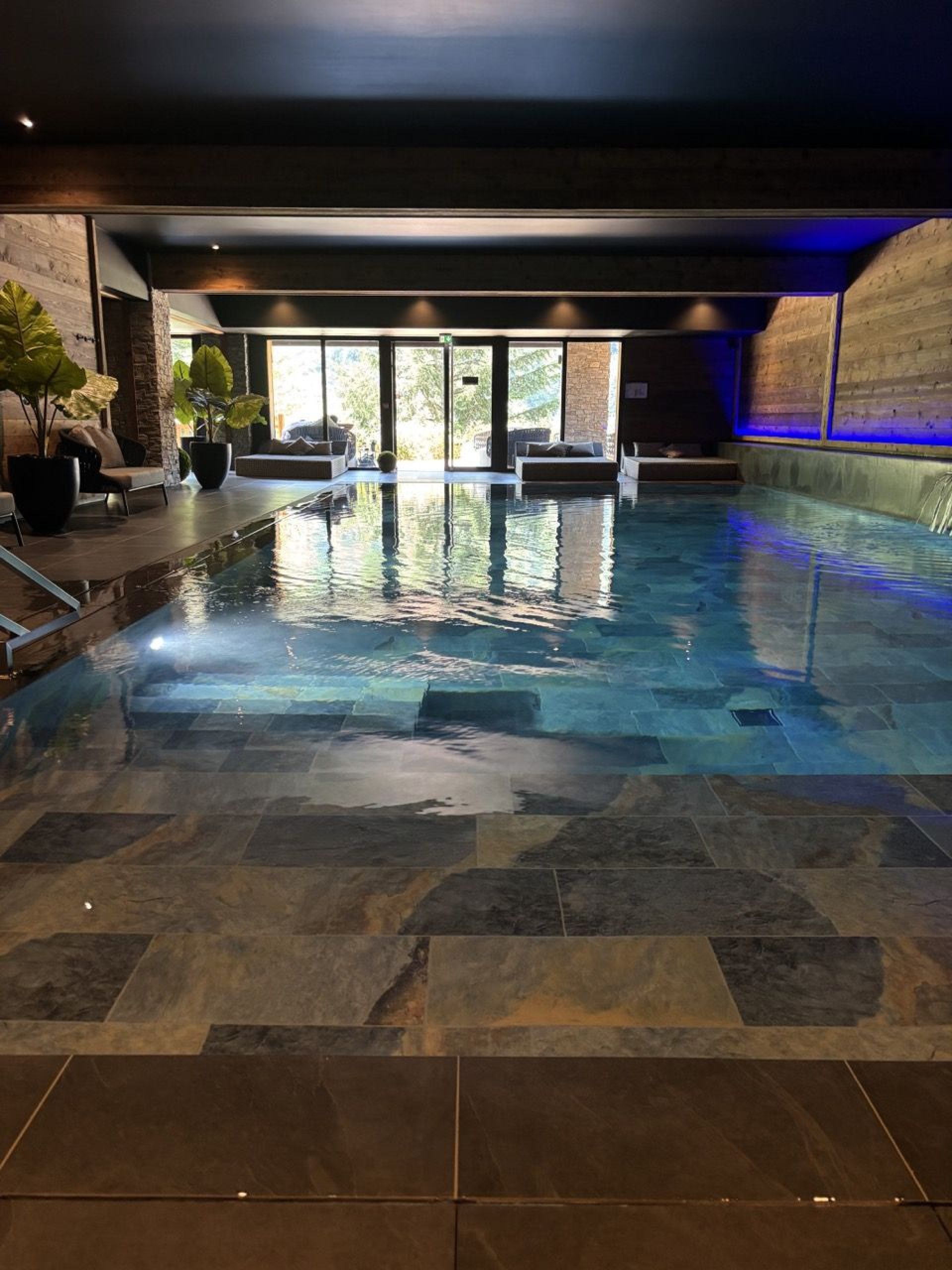
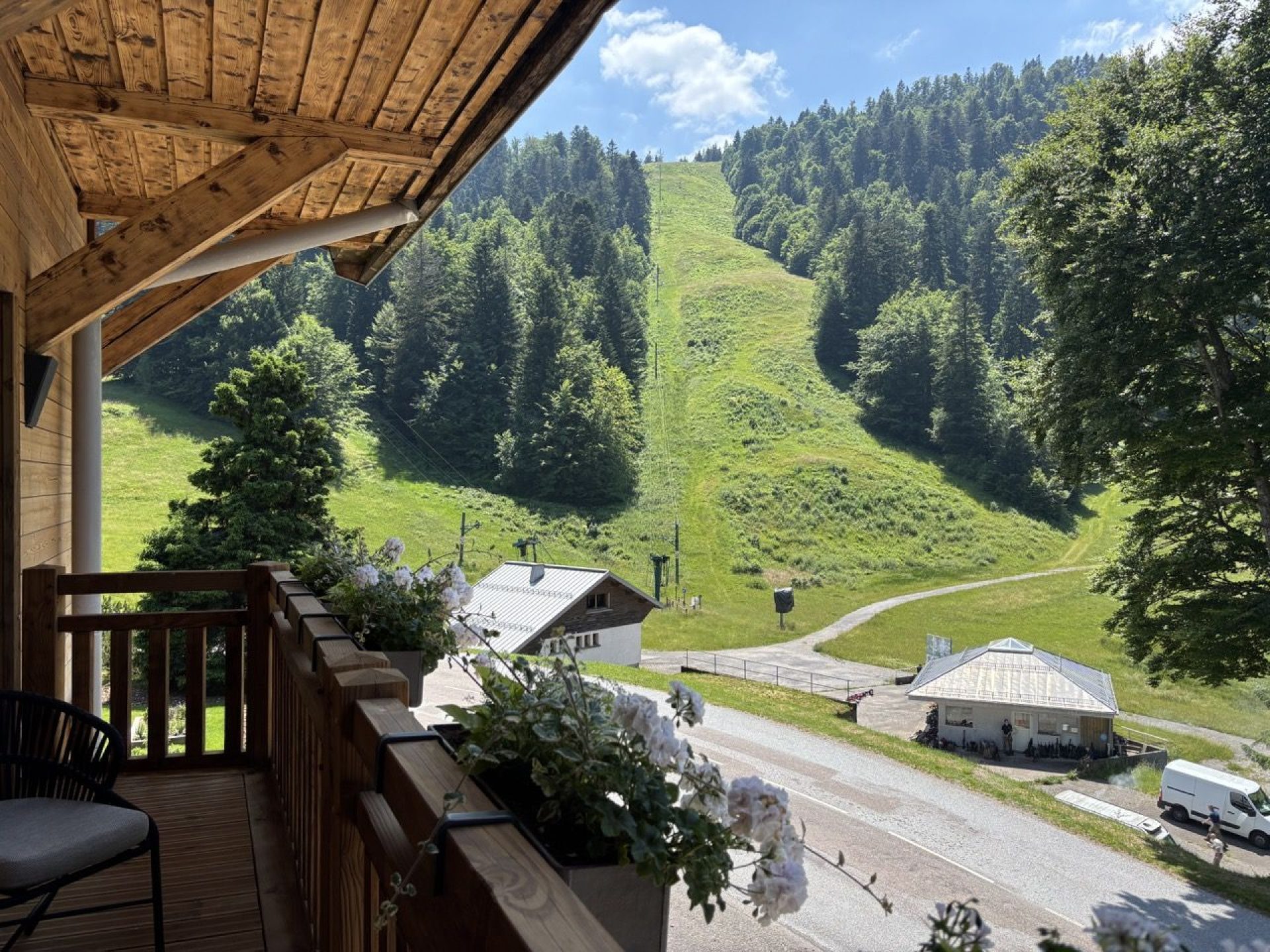
Frère Joseph’s Domaine de la Montagne-l’Hermitage in Ventron has been transformed into a Relais & Châteaux property
Among the region’s most sought-after destinations, Chalet Frère Joseph 1757 at the Domaine de la Montagne—a Relais & Châteaux property nestled in Ventron—offers a luxurious and charming atmosphere in the heart of the Hautes Vosges.
The hotel takes its name from a hermit who settled here in the 18th century, for whom the locals built a shelter that, over time, evolved into a true mountain home. Now owned by Messrs. Singer and Keff, who also own the Domaine de la Klauss in Moselle, the property shares the same commitment to discreet, high-end hospitality deeply rooted in its surroundings. Surrounded by forest, silence, and panoramic views of the Vosges mountains, the hotel blends stone, wood, and contemporary lines into a warm atmosphere across its 28 rooms and suites, whose minimalist decor invites guests to slow down. A spacious spa, gourmet dining, and rooms opening onto nature extend this immersion in a more secluded mountain setting, far from the major Alpine resorts.
Domaine de la Montagne
5001 Route de Frère Joseph
88310 Ventron
AROUND GERARDMER
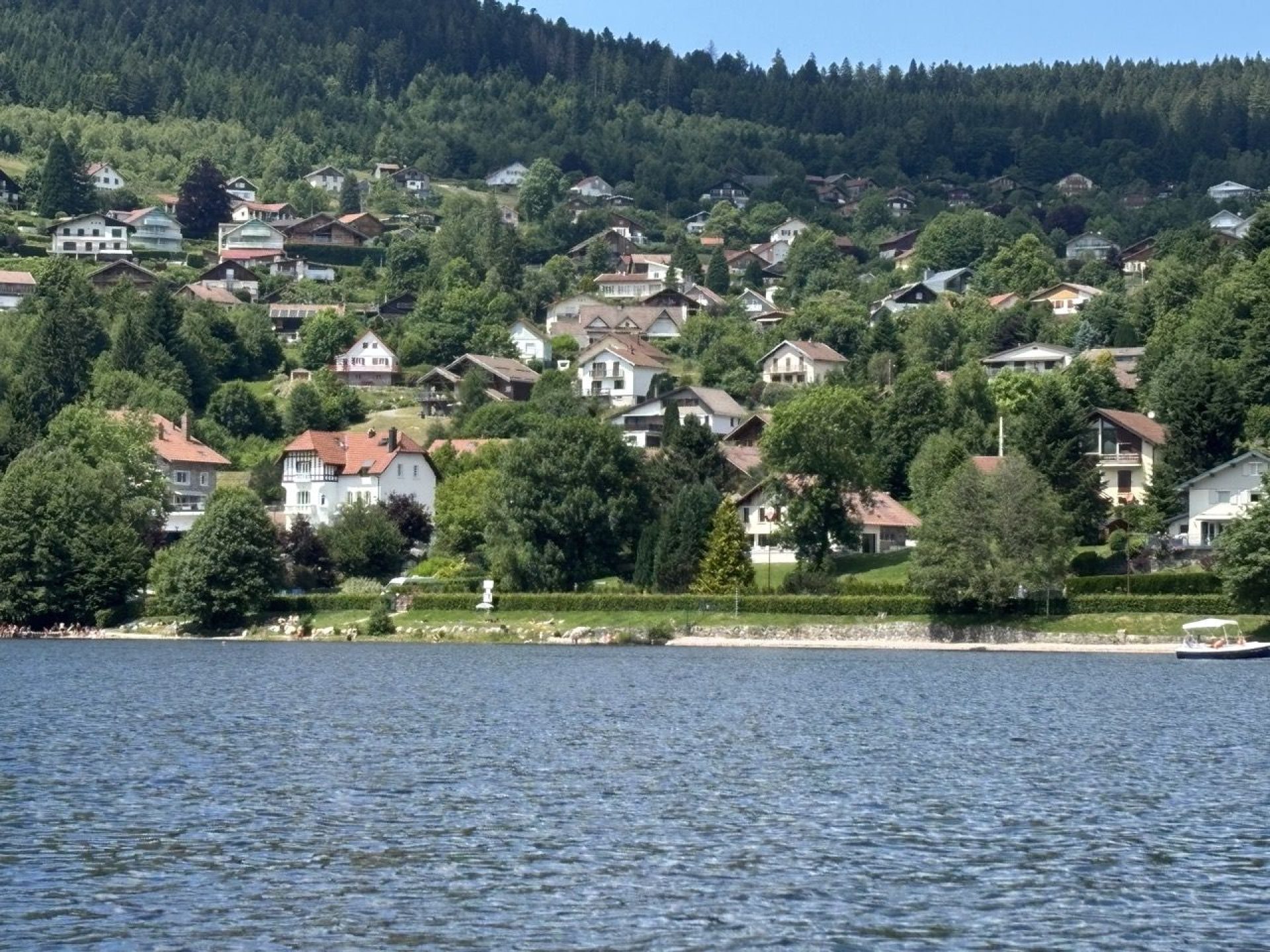
Gérardmer, "the pearl of the Vosges"
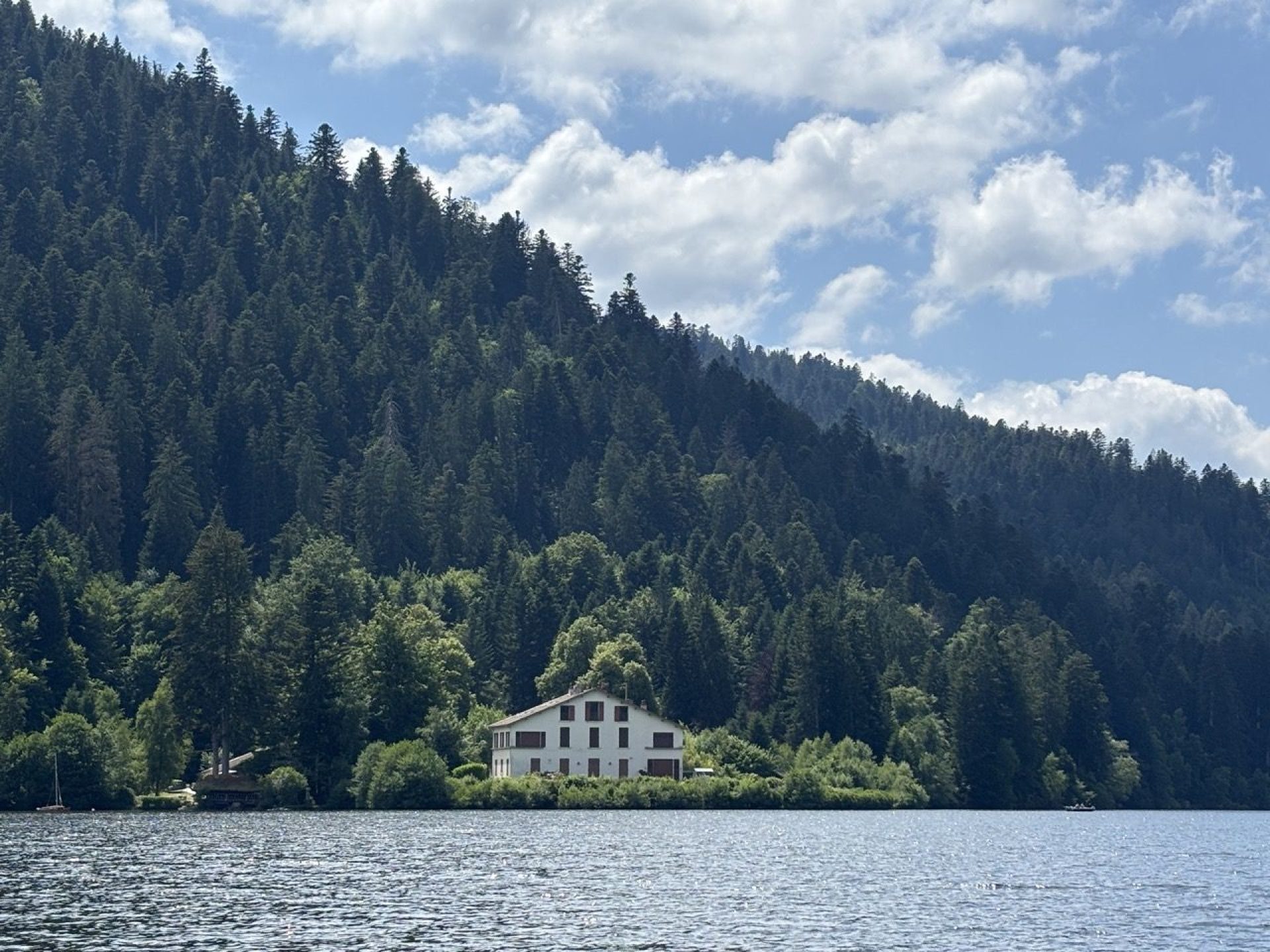
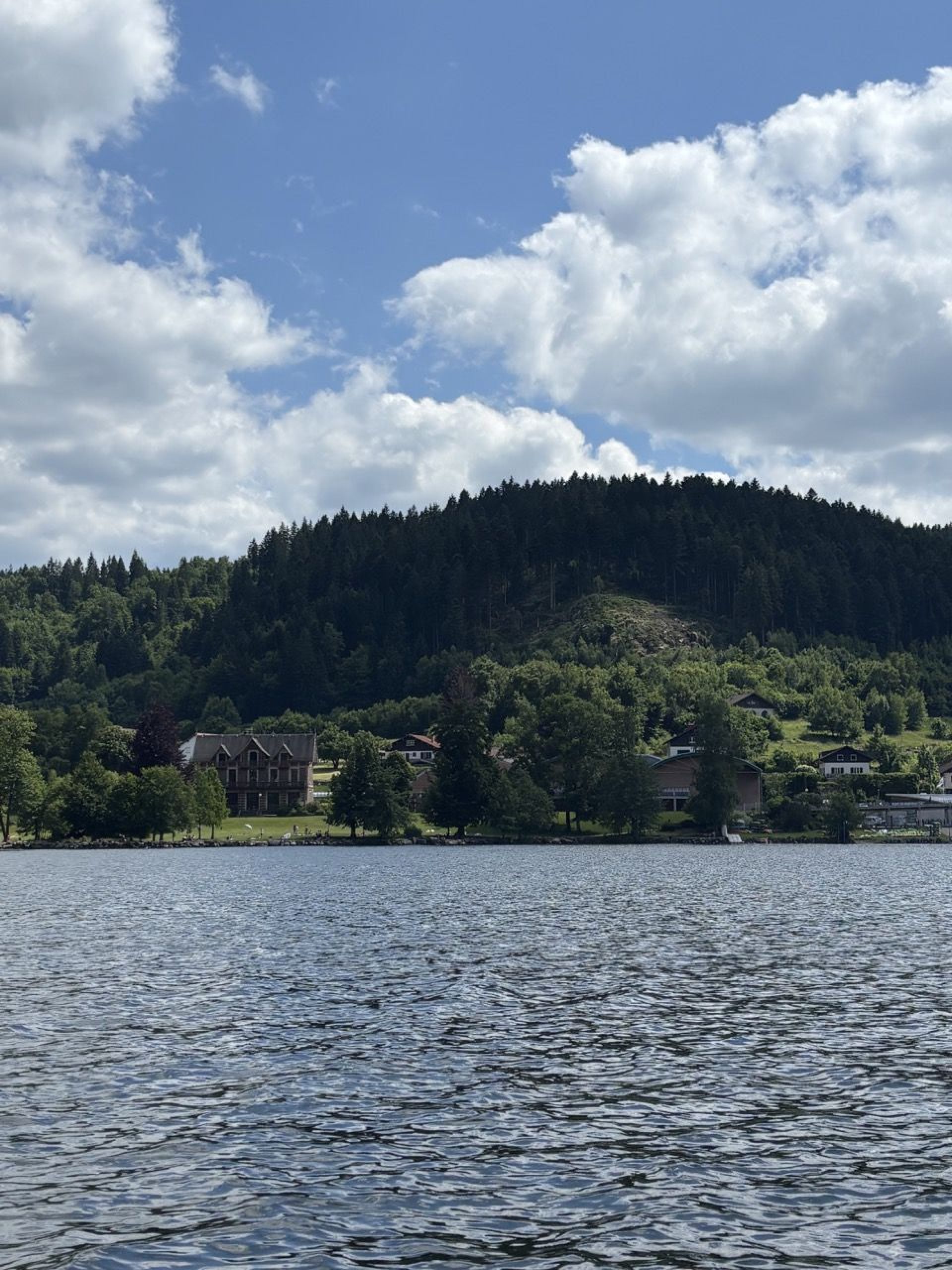
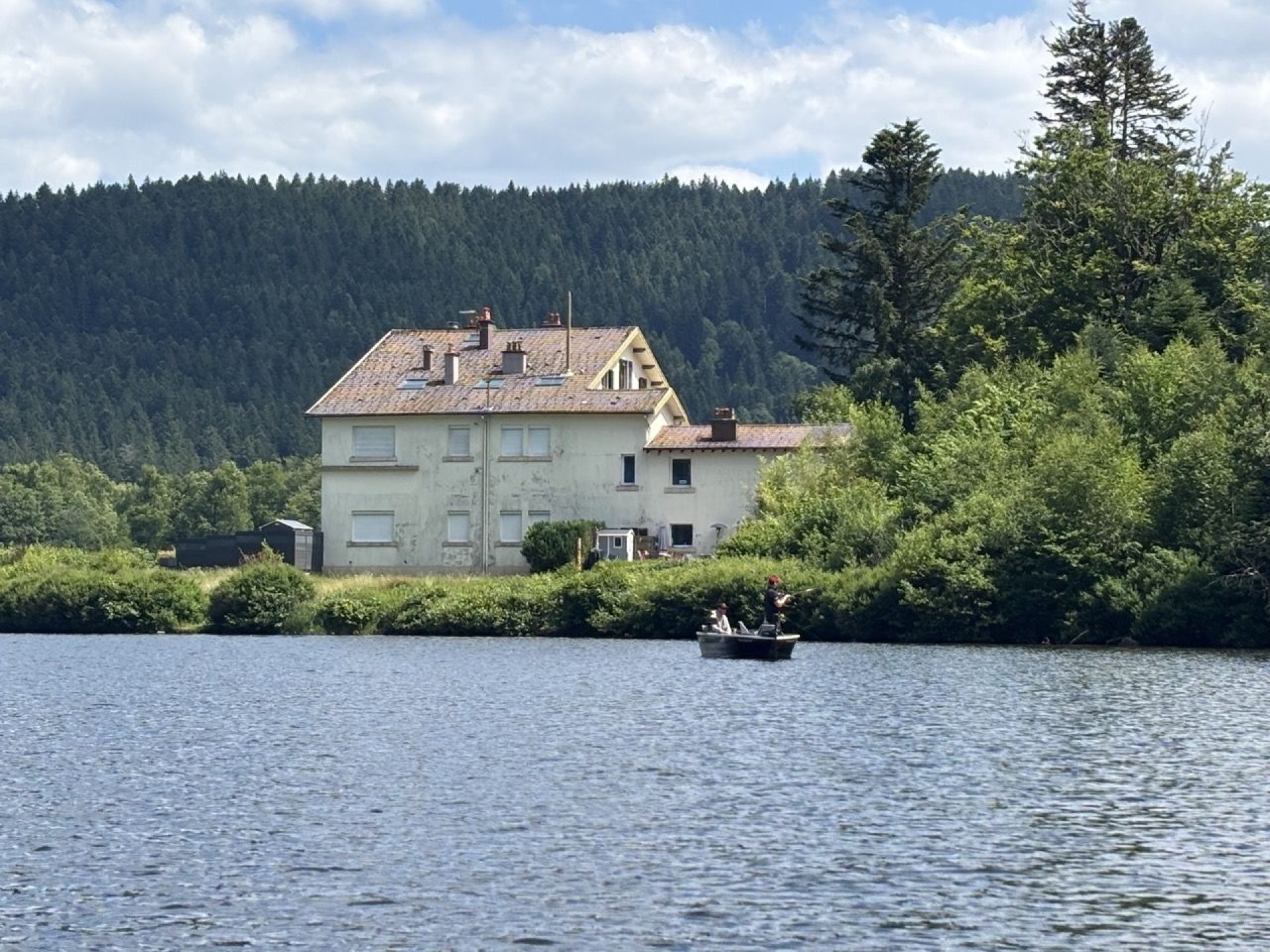
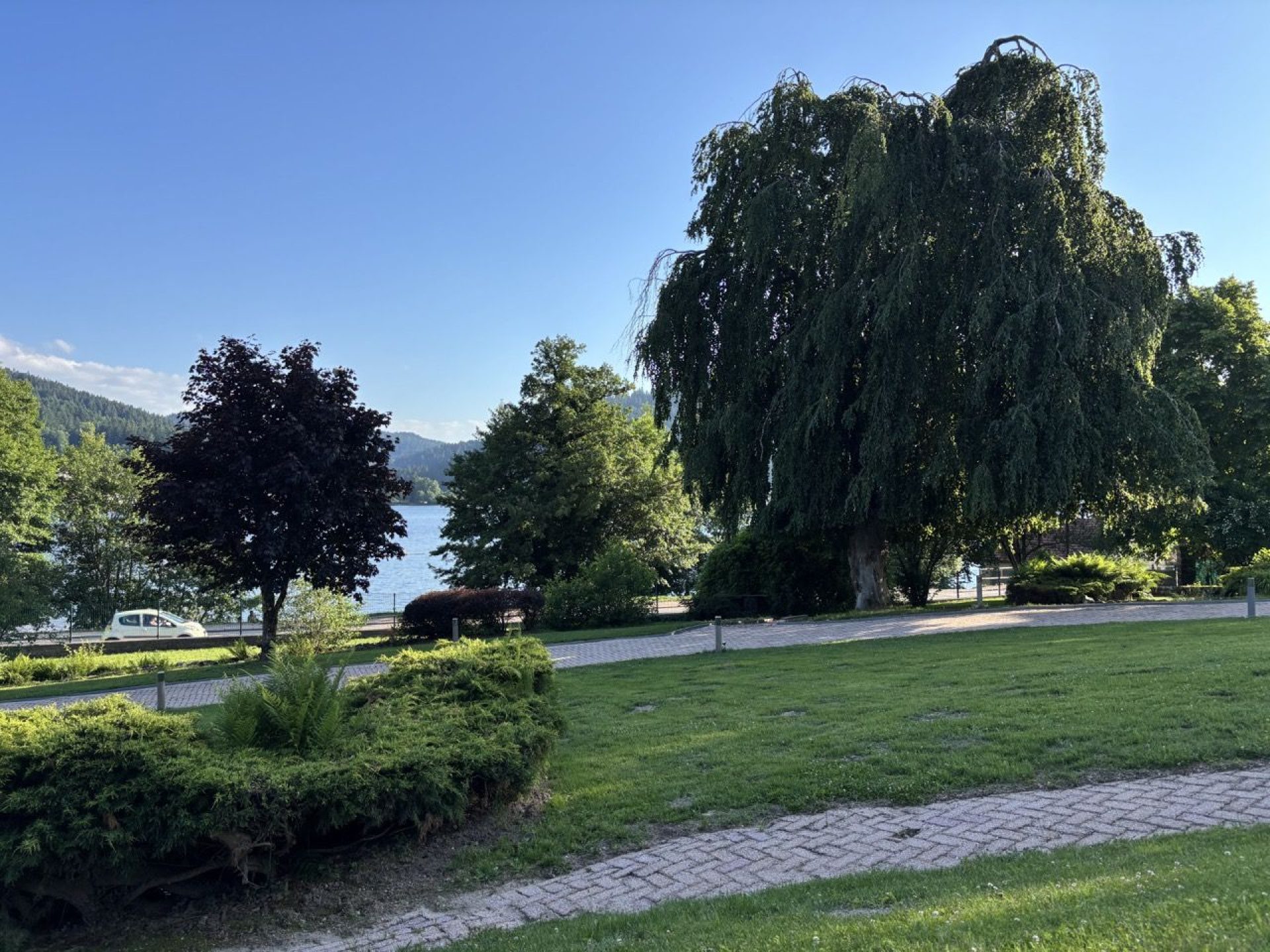
Around Gérardmer, the lakes, forests, and wooded hills offer a breath of fresh air. As early as the 19th century, the landscapes of the Hautes Vosges captivated writers and travelers seeking fresh air and nature.
It was Abel Hugo, Victor Hugo’s brother, who dubbed Gérardmer “the Pearl of the Vosges” in his book “La France pittoresque,” published in 1835. The expression has stood the test of time and still evokes the image of this town nestled on the shores of a glacial lake surrounded by fir trees, which has become one of the most iconic resorts in the Vosges Mountains.
At that time, the Hugo family traveled regularly to eastern France, deeply drawn by their ties to Lorraine. Like many 19th-century writers and artists, they discovered in the Vosges a mountain range more accessible and forested than the Alps, where walks around the lakes, forest trails, and the panoramic views from the Hohneck contributed to the rise of a new culture of vacationing. With the arrival of the railroad in 1878, Gérardmer quickly became a sought-after destination for Parisian families and industrialists from Nancy and Belgium, who had villas, hotels, and vacation homes built on the shores of the lake.
Even today, the town retains this peaceful lakeside atmosphere, far from the more bustling resorts. On the water, electric boats have long since replaced gasoline-powered engines, reinforcing the sense of calm that characterizes Gérardmer.
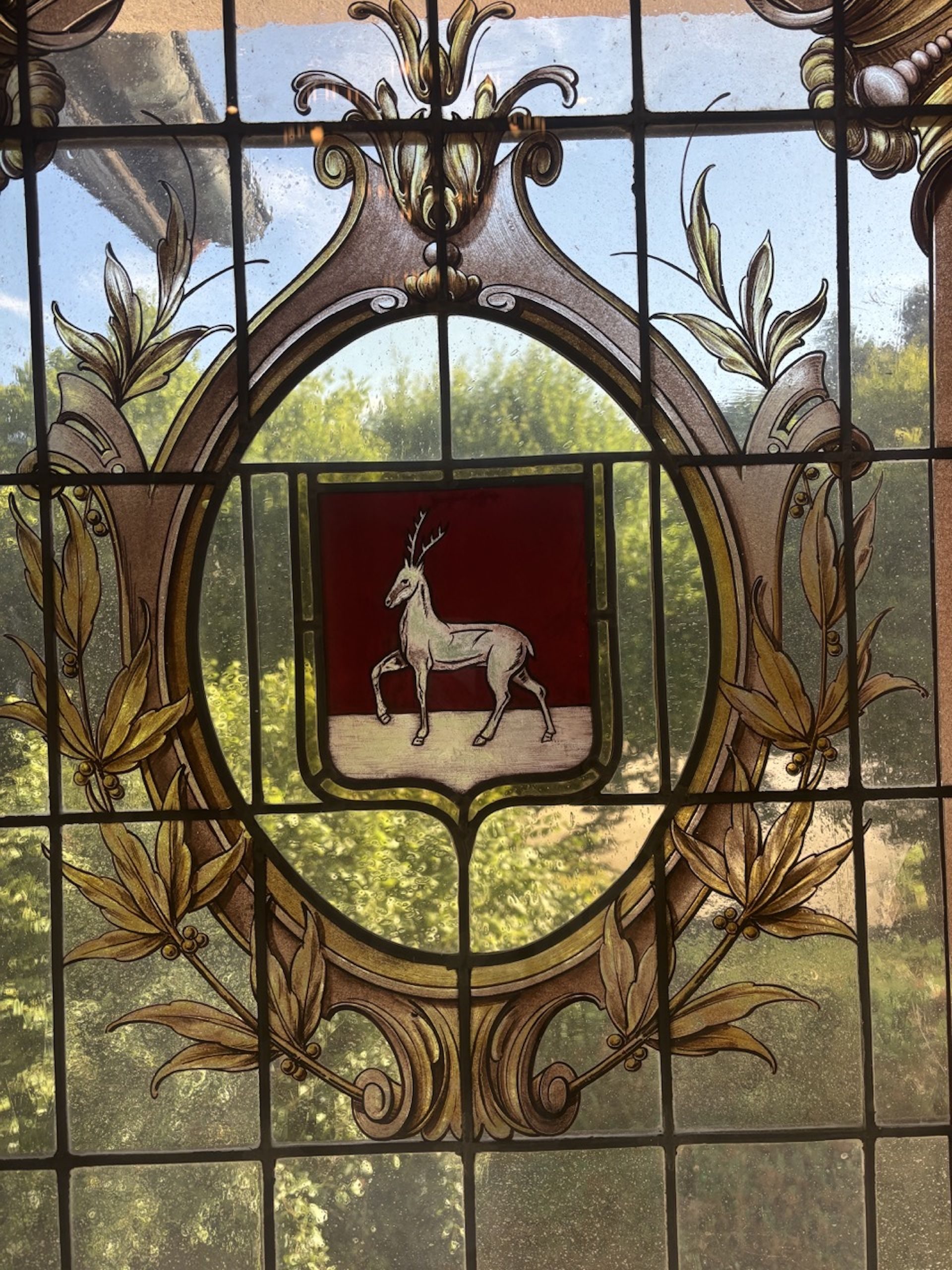
Around Gérardmer, the lakes, forests, and wooded hills offer a chance to breathe deeply. The deer, which has become the town’s emblem, serves as a reminder of this close connection to the vast Vosges forests and the wildlife that still inhabits the surrounding area.
Further afield, places like Les Jardins de Sophie, Le Manoir au Lac, and Hôtel Le Beaurivage extend this concept of a discreet getaway, focused on nature, wide-open spaces, and a certain French-style slow travel experience.
Gérardmer Tourist Office
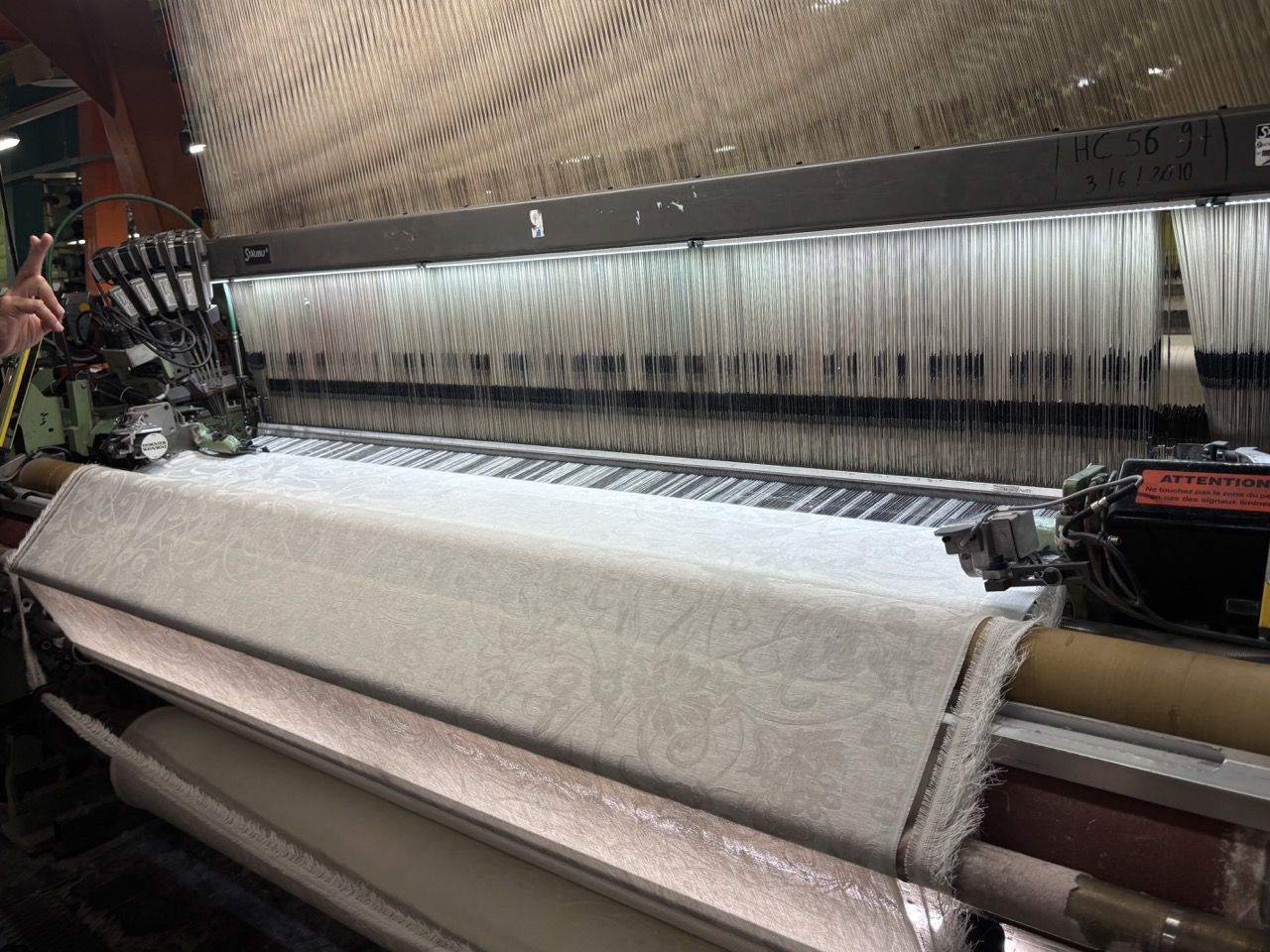
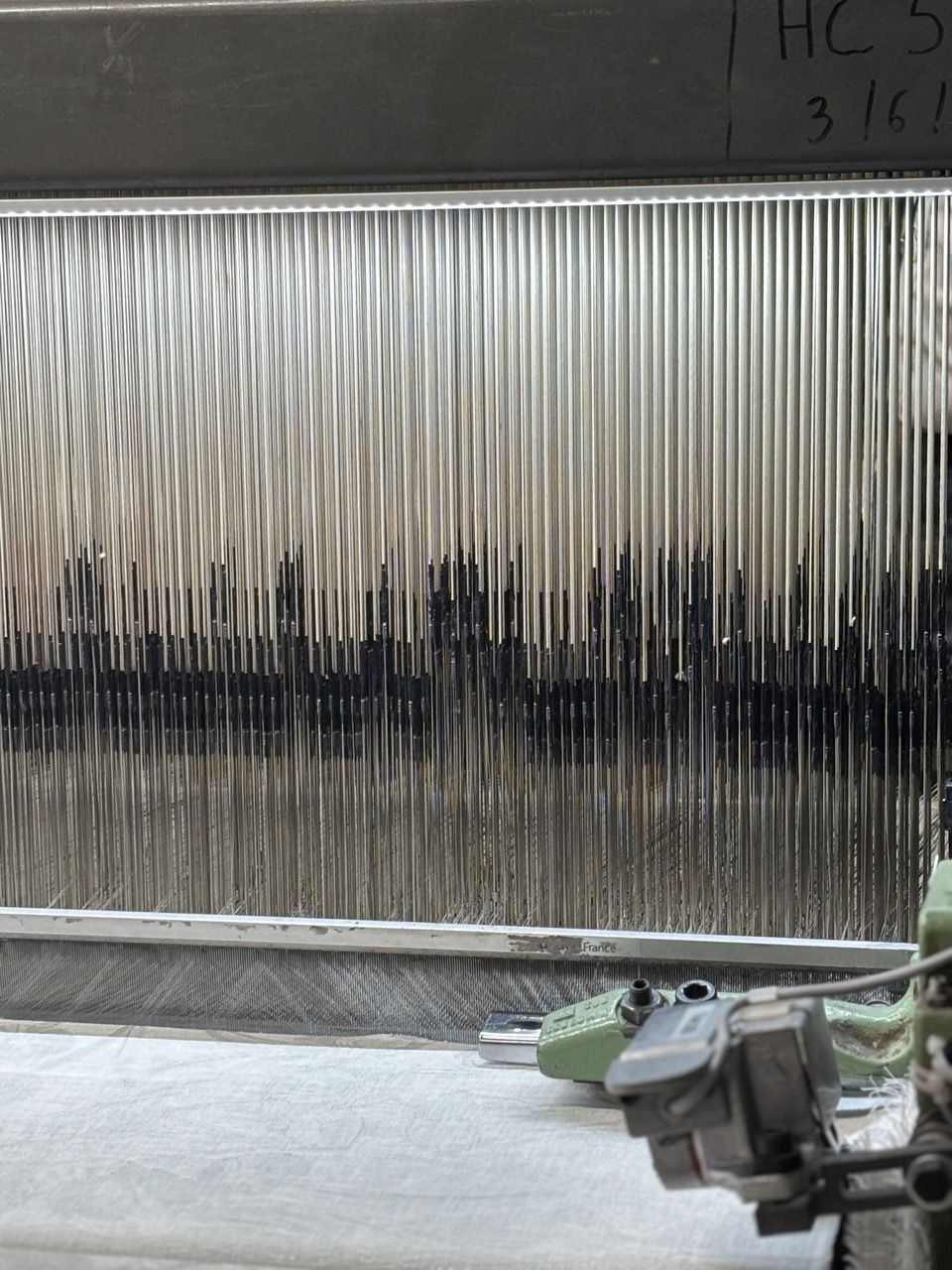
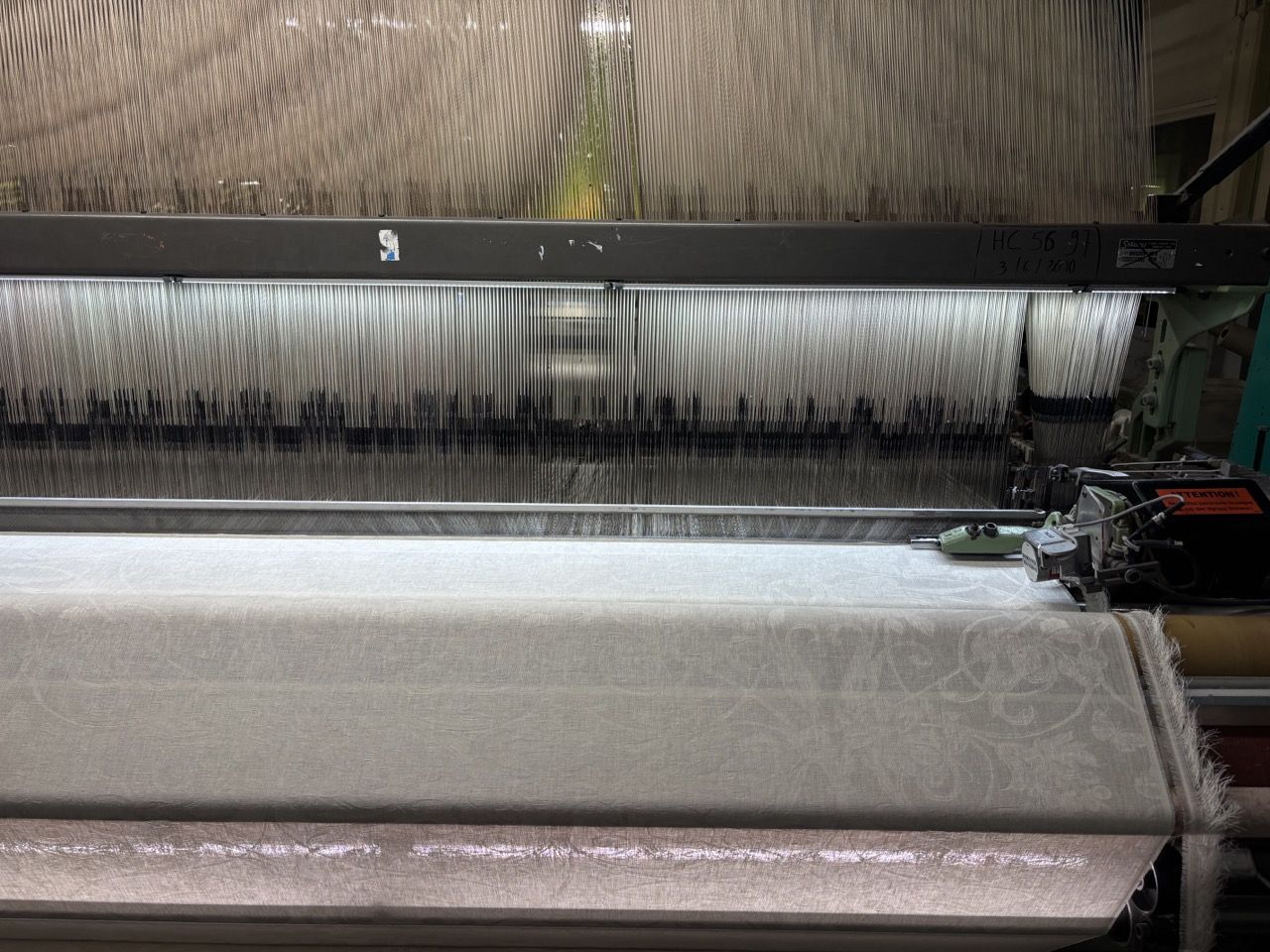
Le Jacquard Français, a French exception in Gérardmer
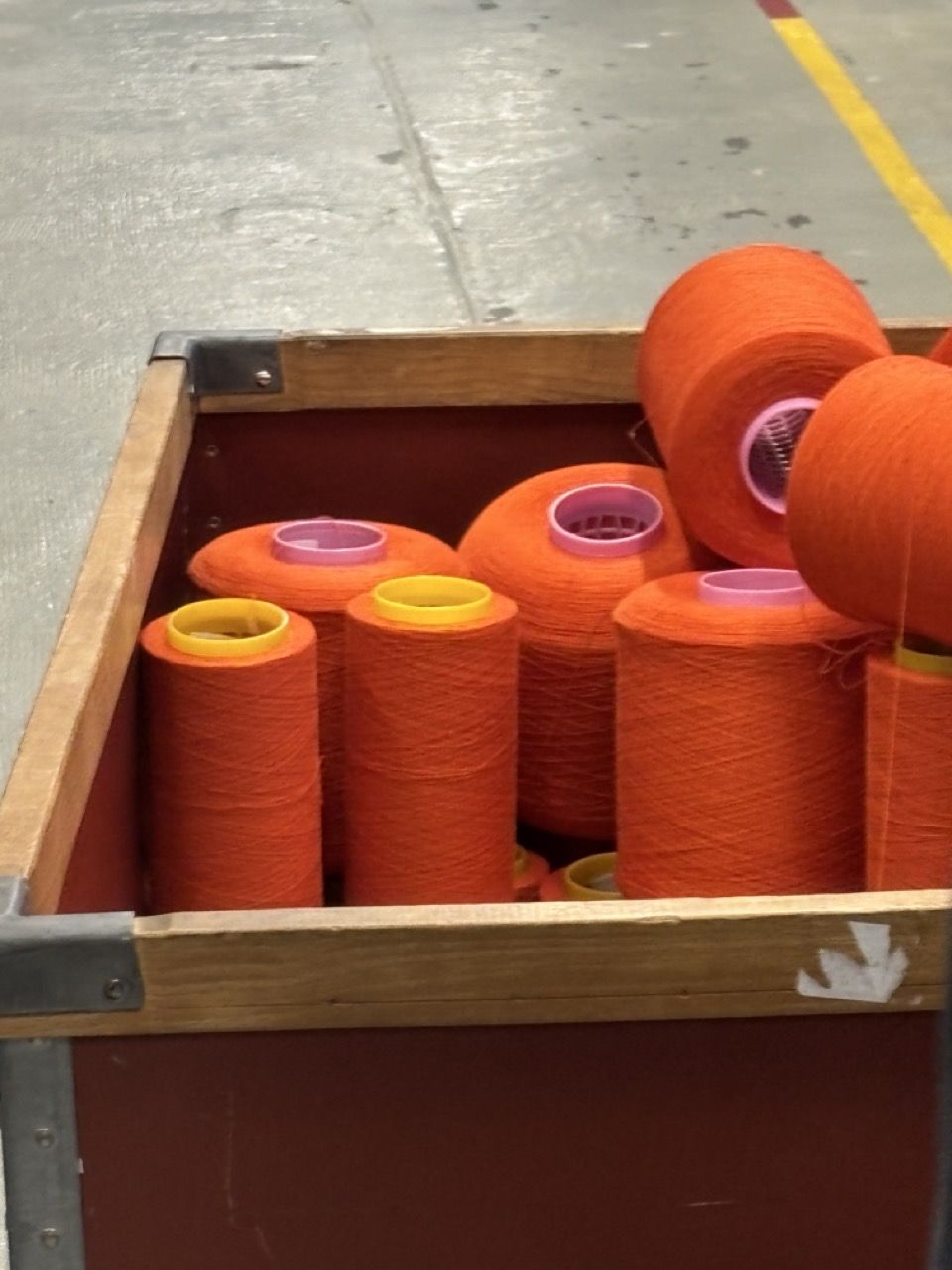
Le Jacquard Français, in Gérardmer, embodies another facet of the region: that of a historic textile tradition still in full swing. In this 8,500-square-meter factory, more than a hundred employees carry on the tradition of Jacquard weaving, surrounded by Dornier looms, the humid environment essential for the fibers, and the almost musical precision of the machines. A supplier to the Élysée Palace, the Senate, and major international hotels, the company continues to produce in France a line of linens that has become iconic. Behind the lifestyle collections and contemporary collaborations, the craftsmanship remains intact, carried forward by artisans trained over many years.
Le Jacquard Français
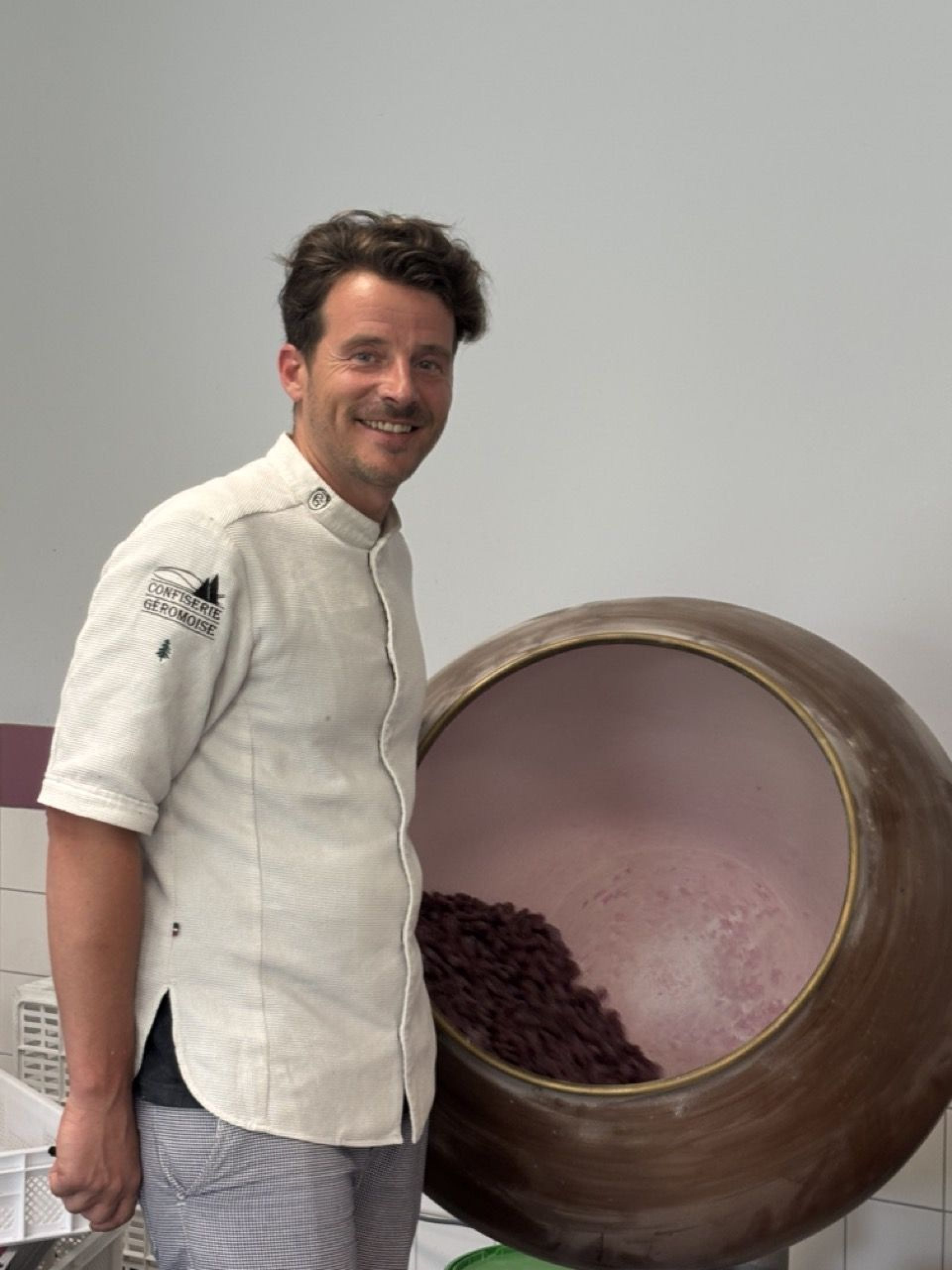
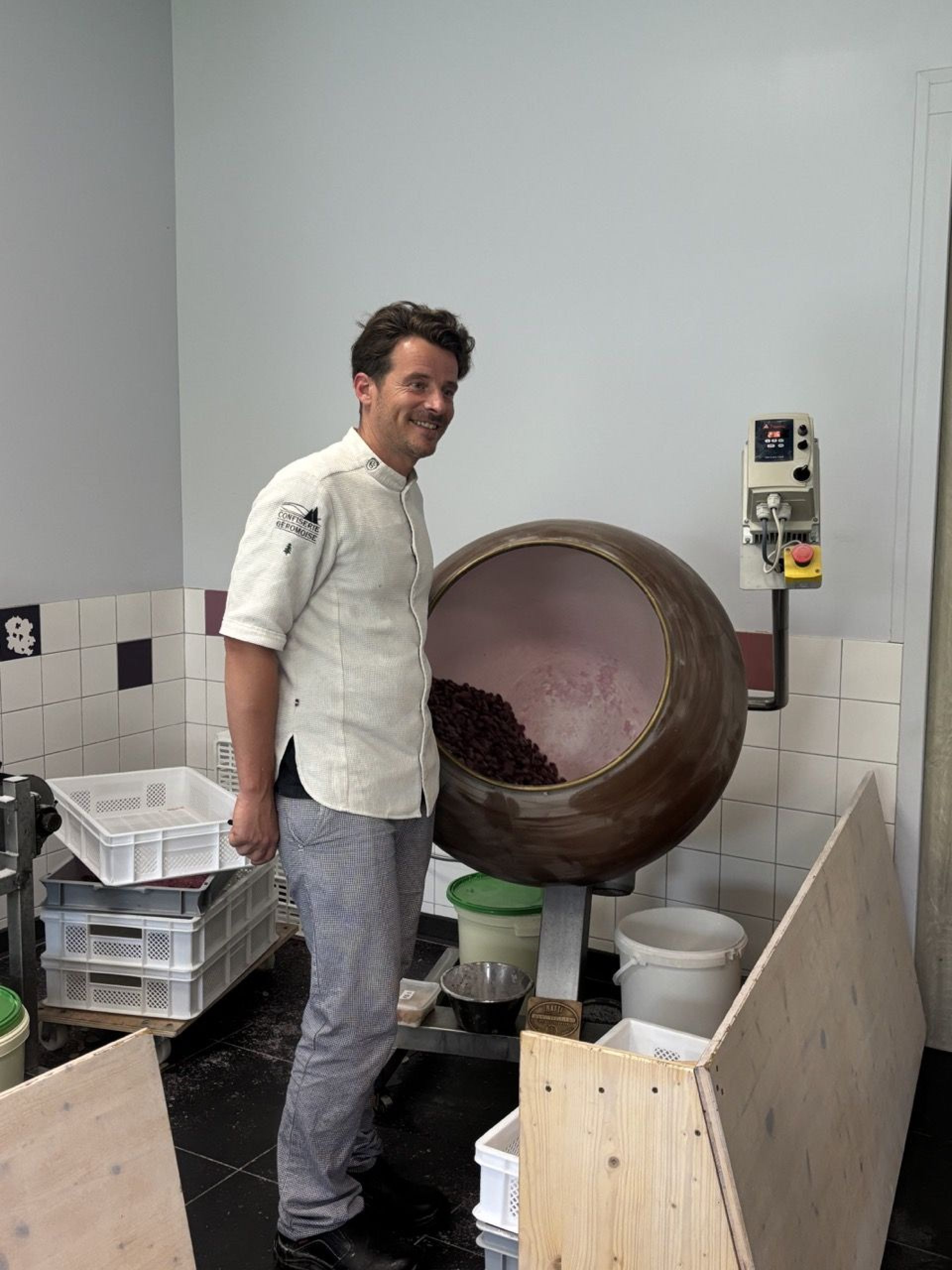

Géromoise Confectionery in Gérardmer
La Confiserie Géromoise, founded by the Wexter brothers, is another example of this commitment to a different approach to production. One a former pastry chef and the other a former IT director, they left their respective careers to create organic confections made from real fruit, without pursuing industrial-scale production. Gummy candies, artisanal recipes, and production inspired by traditional methods: their workshop now works with over a hundred retail locations while remaining committed to sustainable production and prioritizing local suppliers.
Confiserie Géromoise
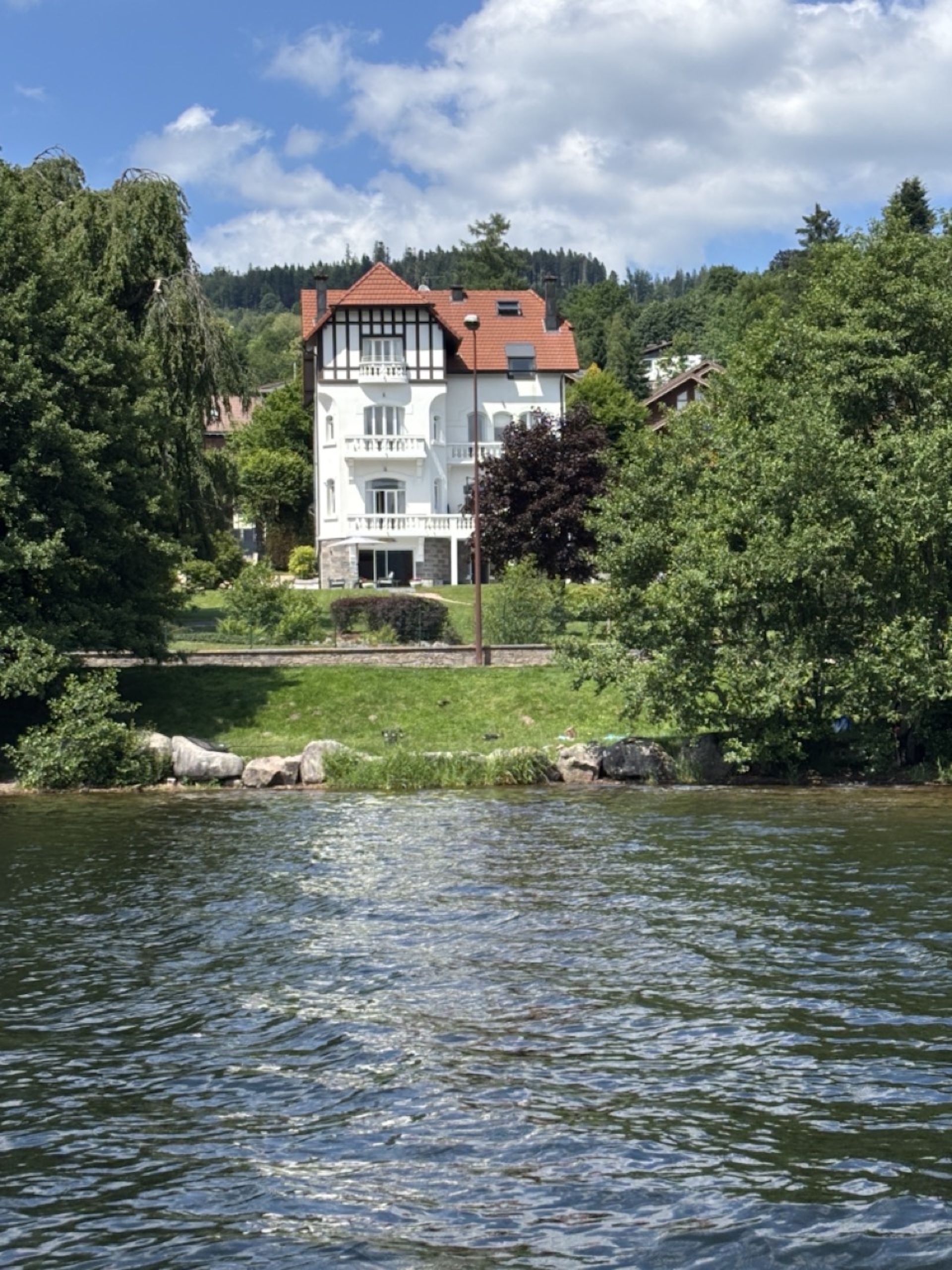
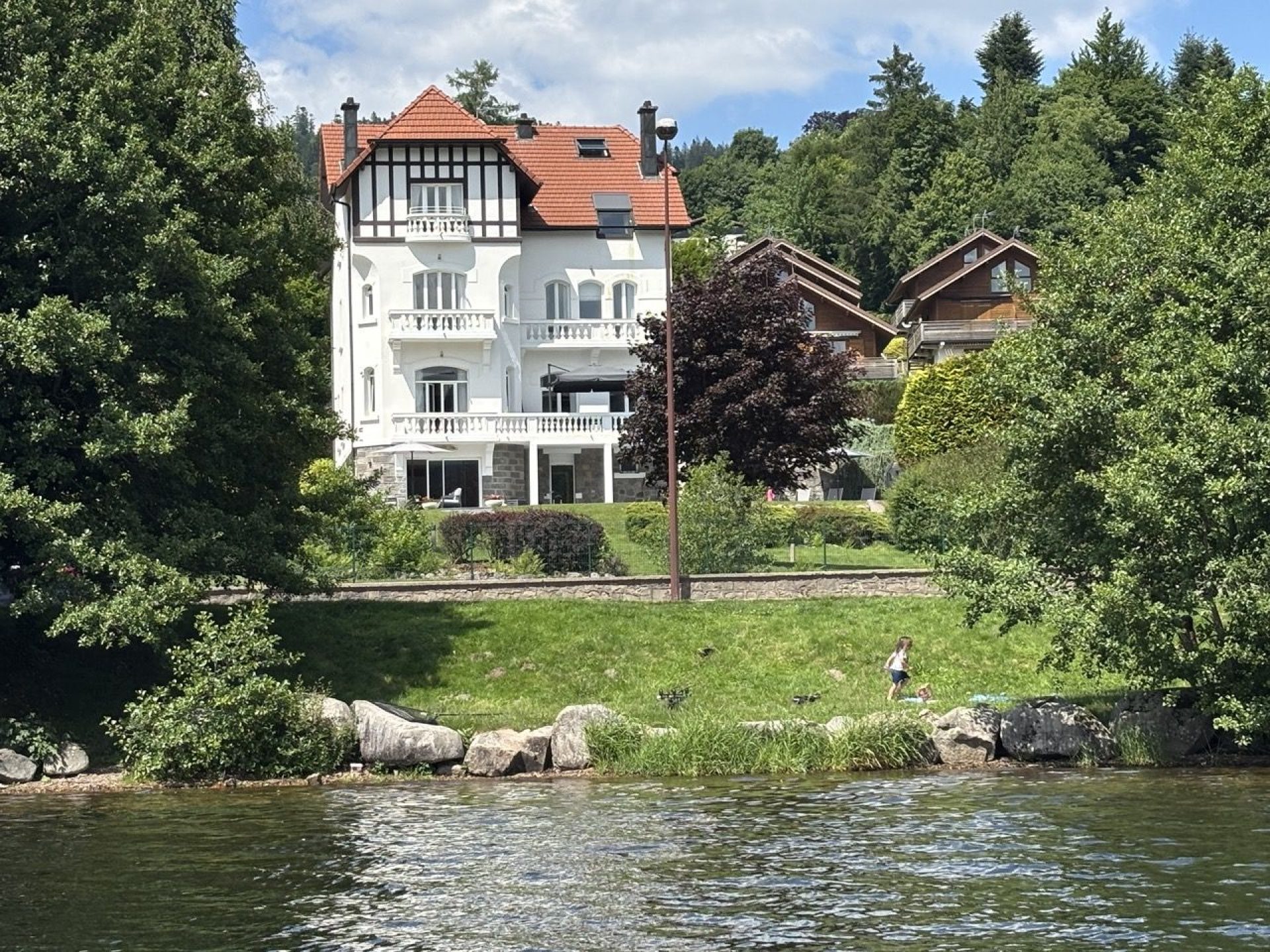
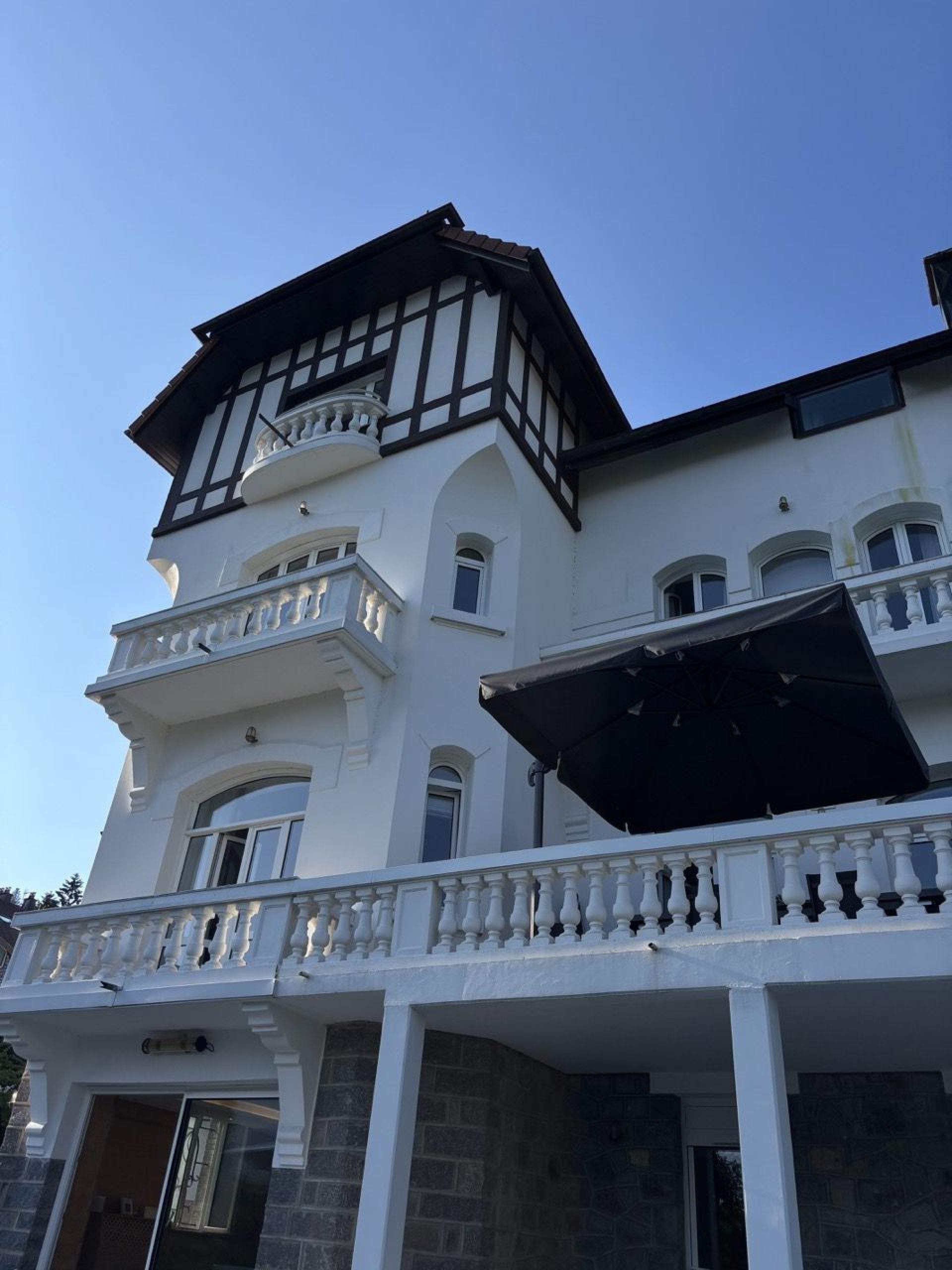
The Villa Concorde in Gérardmer
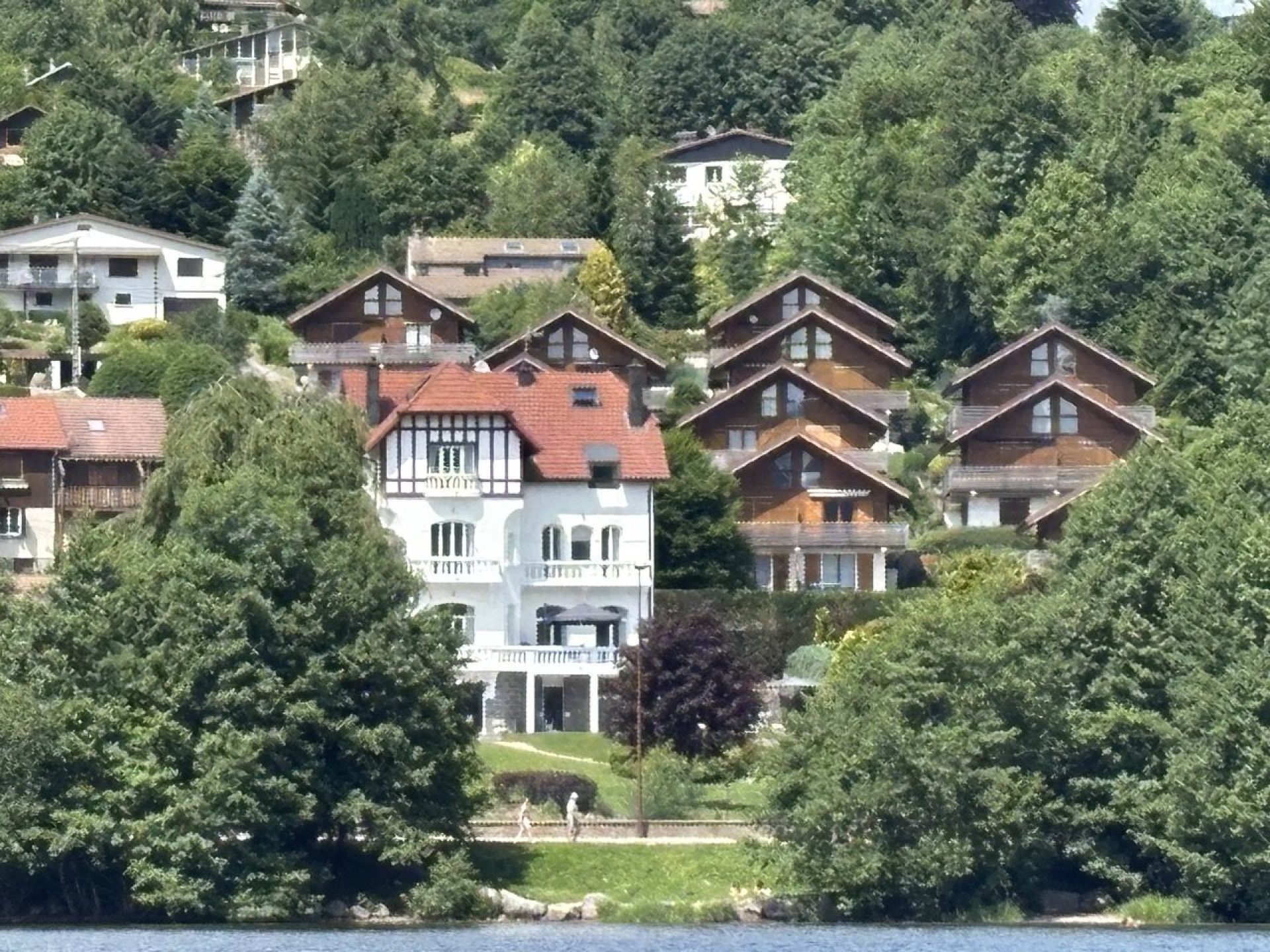
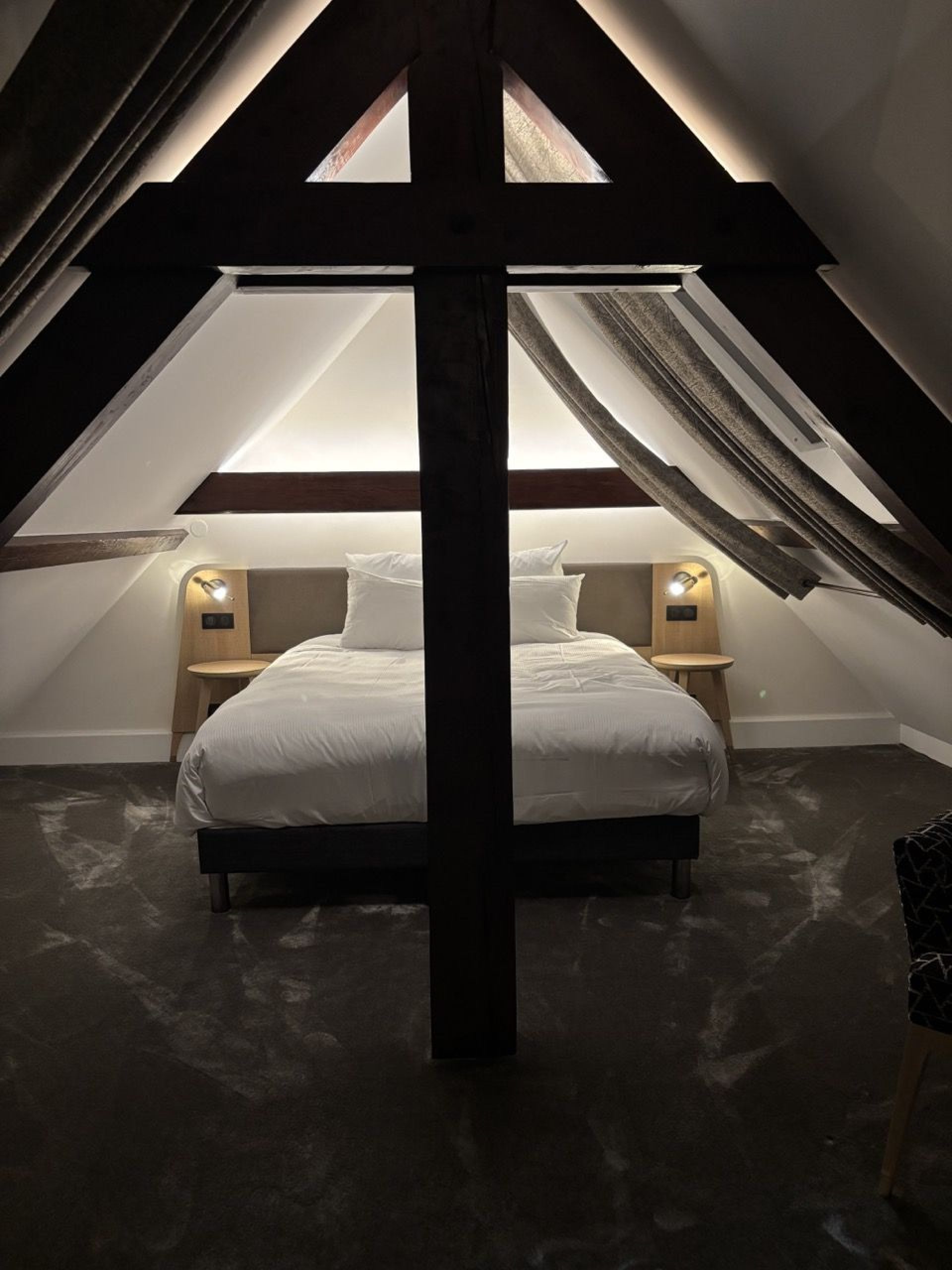
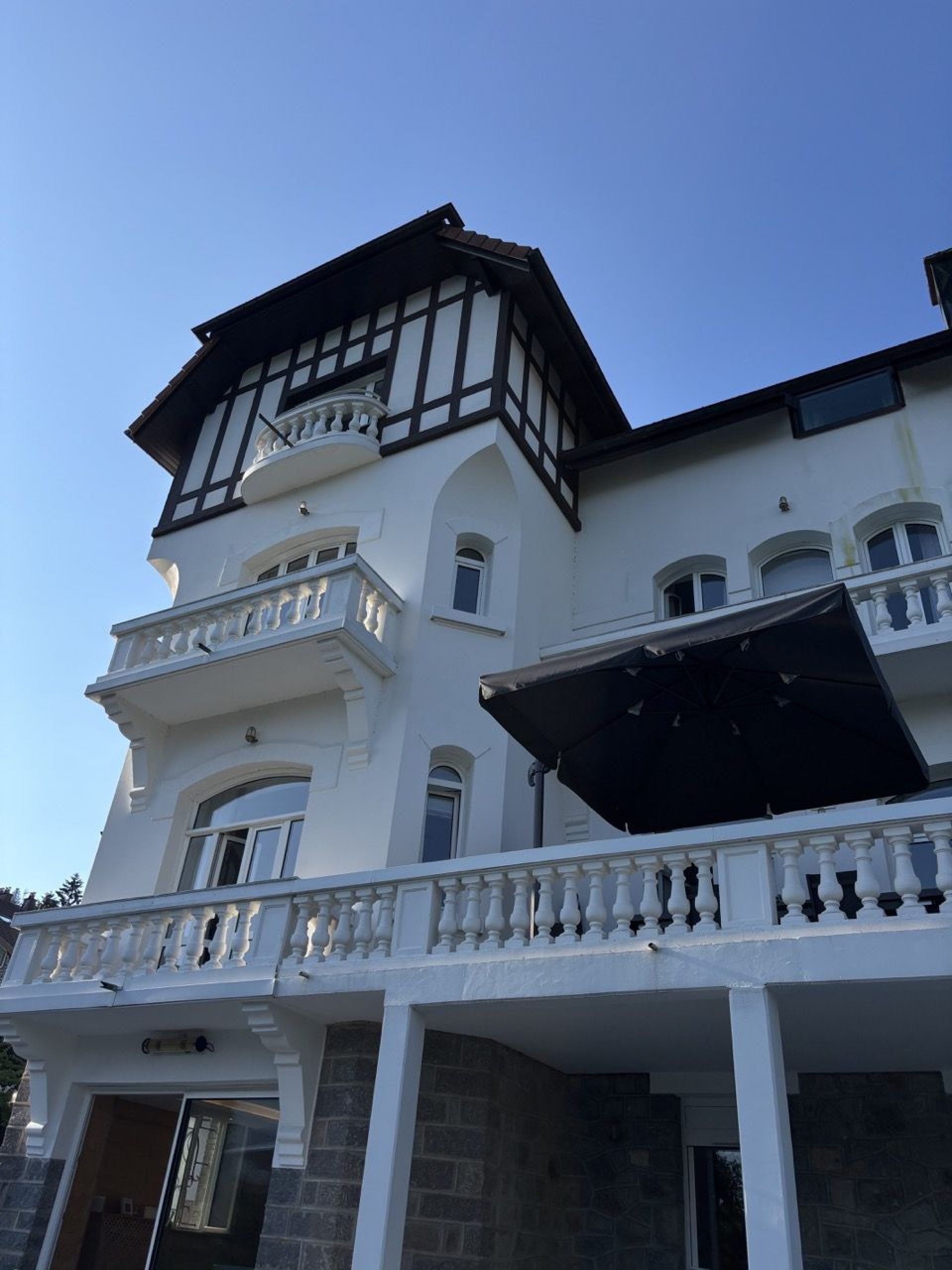
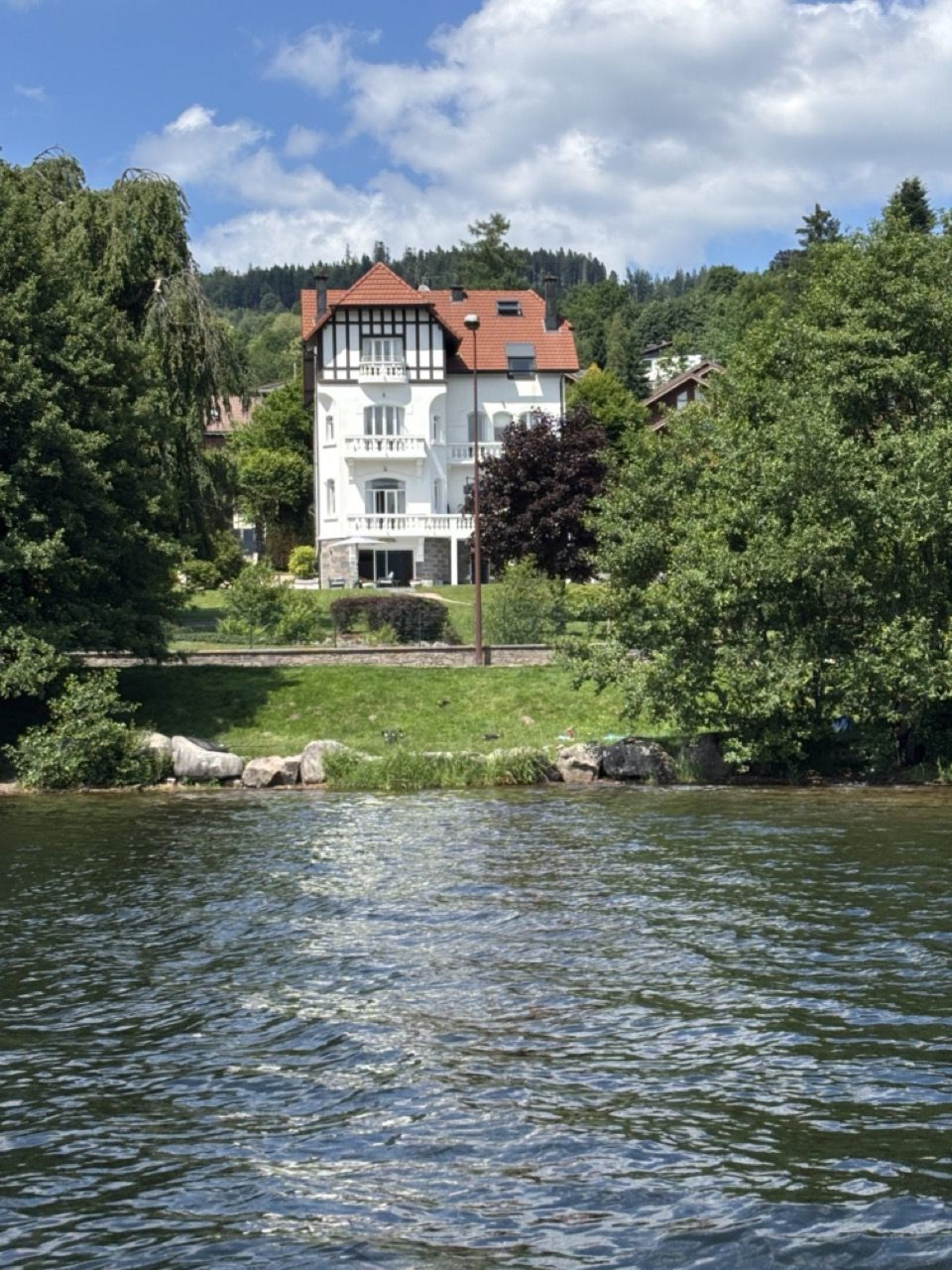
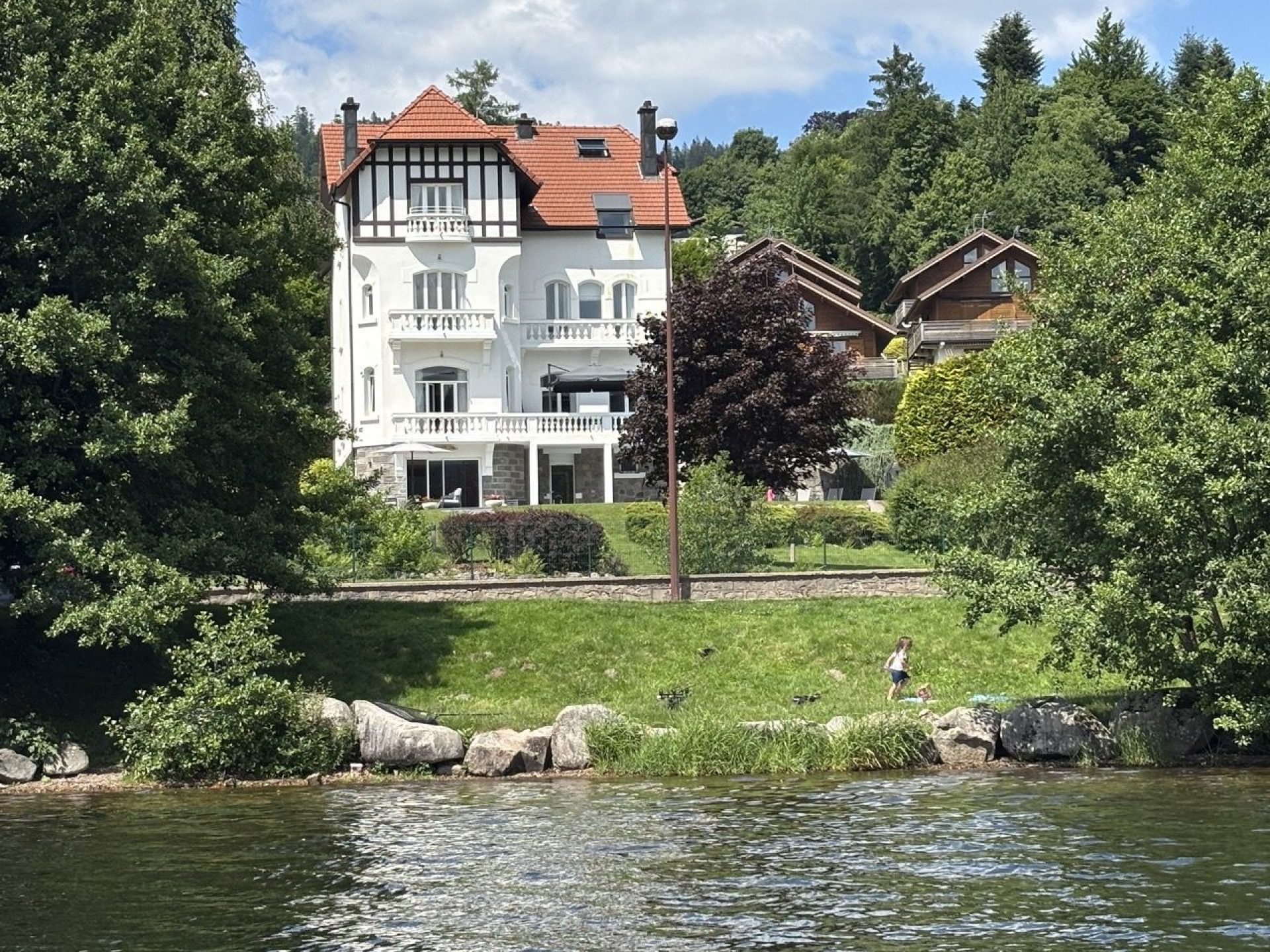
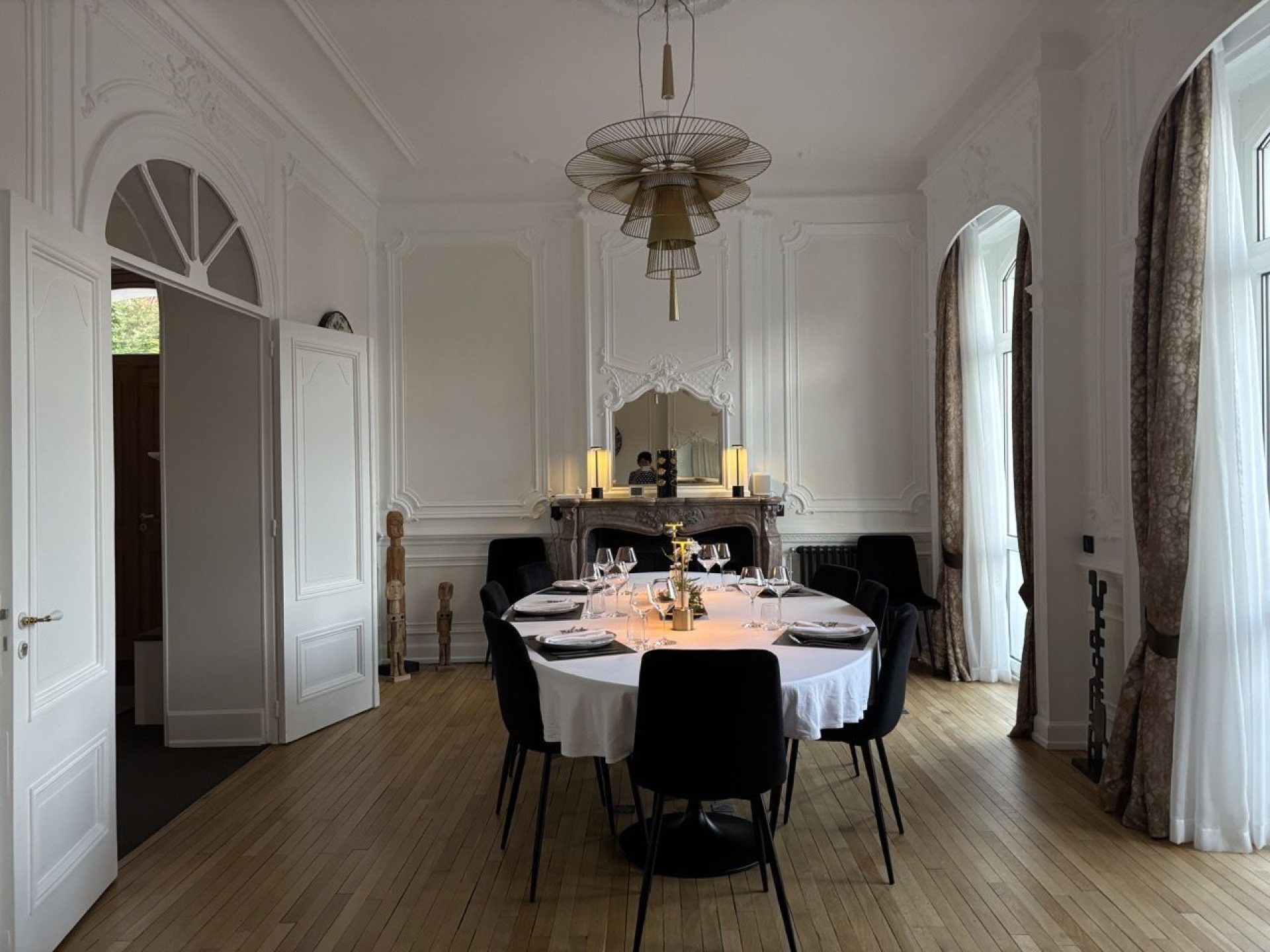
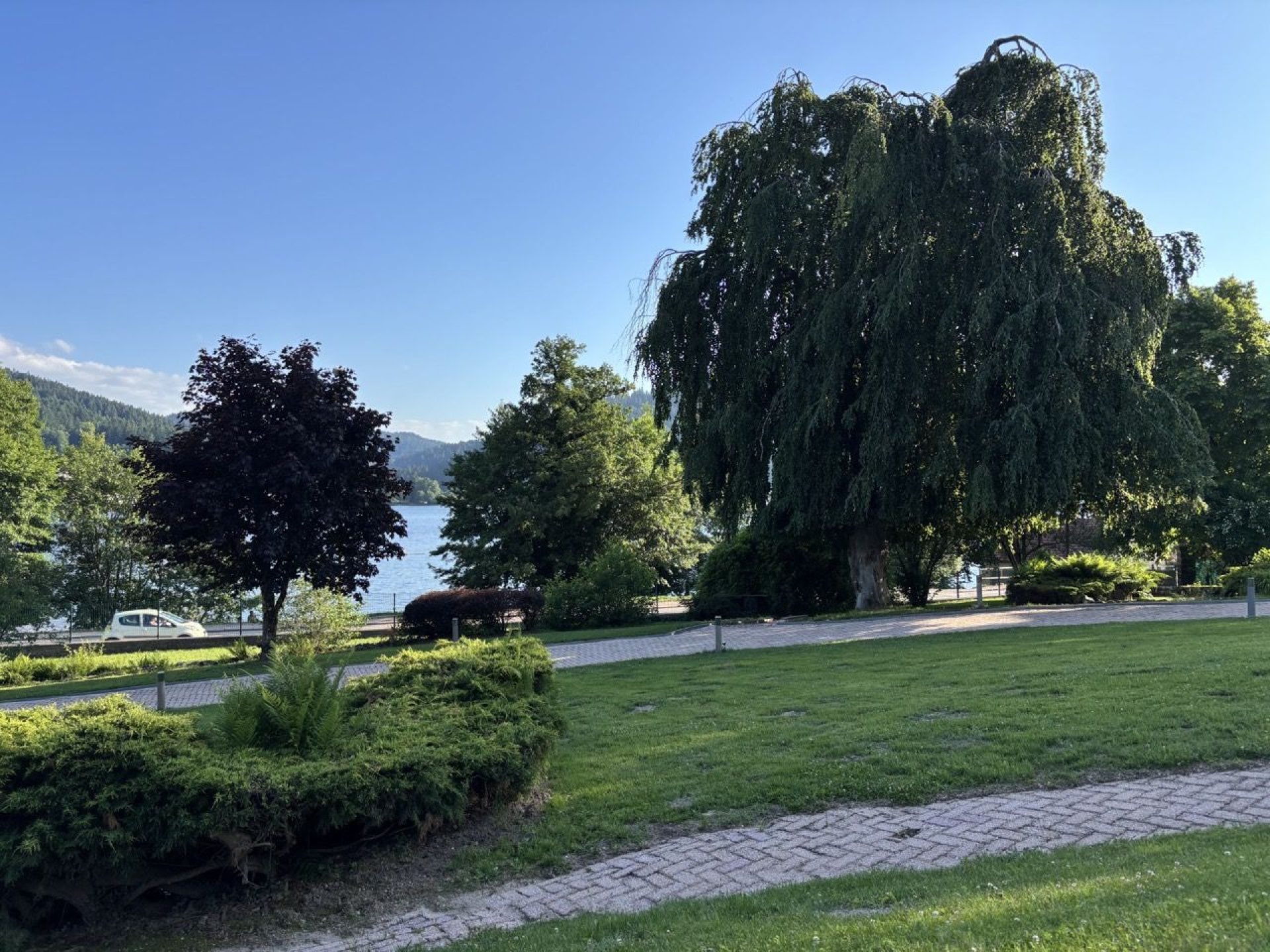
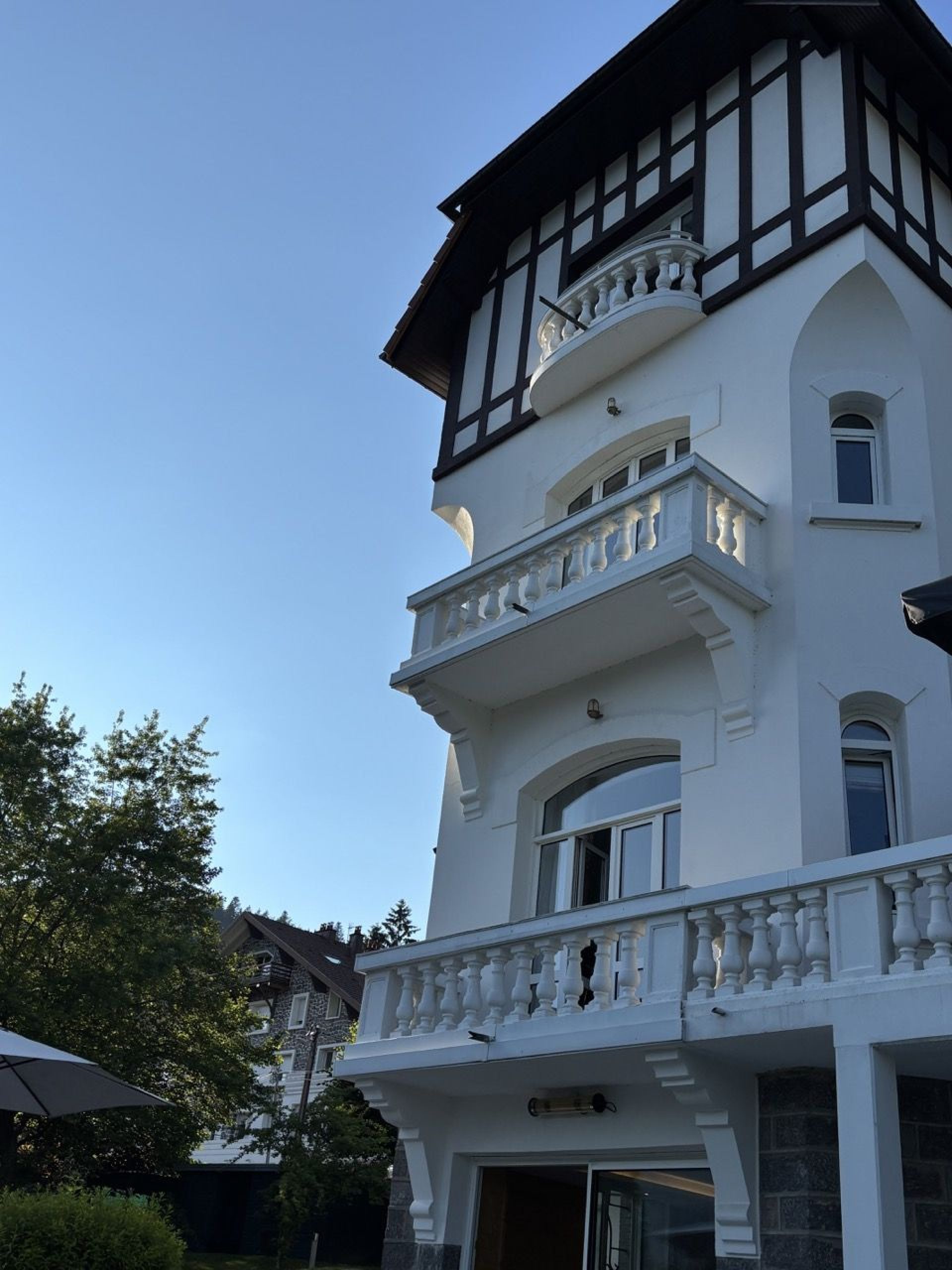
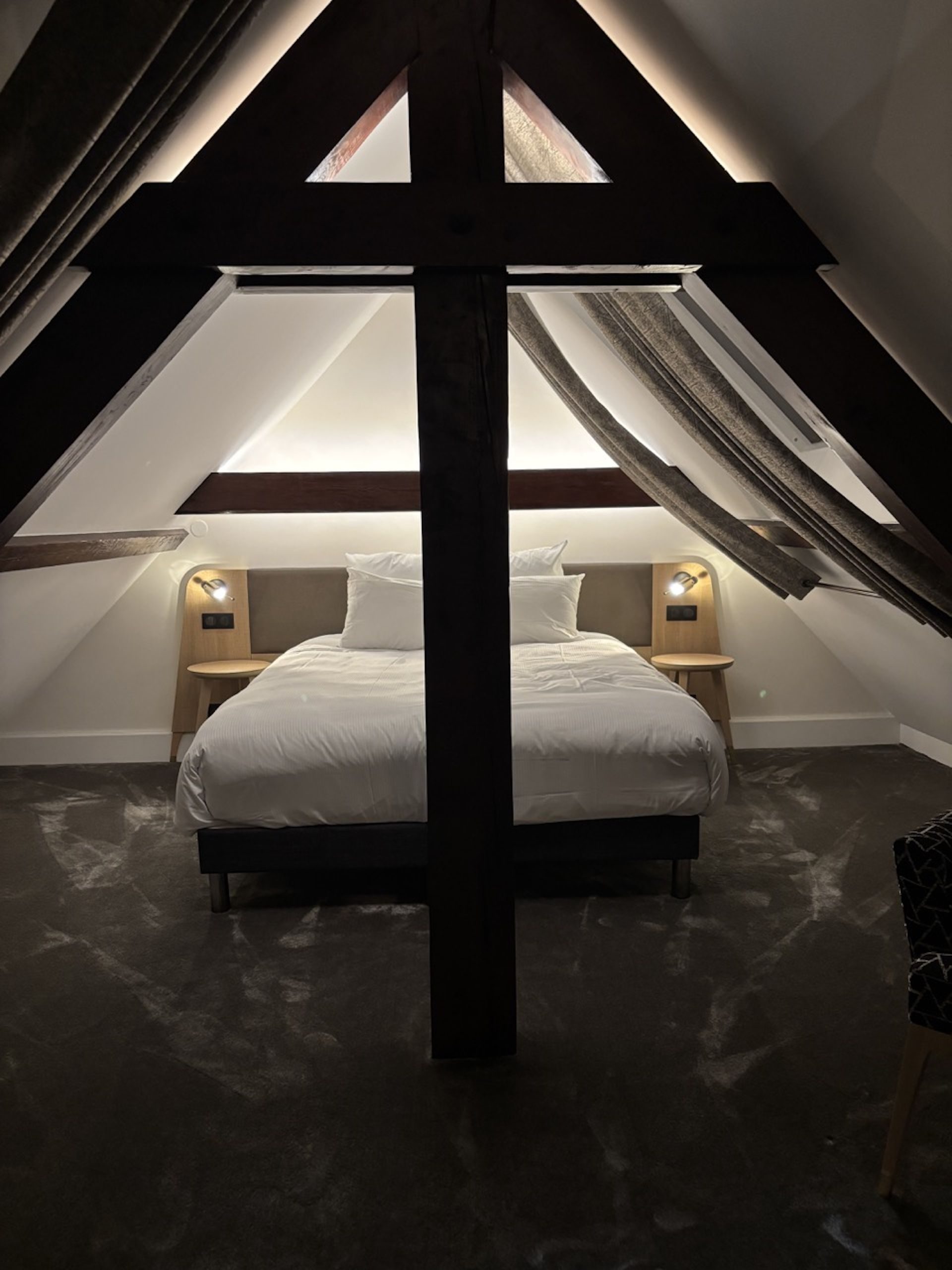
Overlooking Lake Gérardmer, La Villa Concorde reimagines the spirit of the grand vacation homes of the Vosges. This fully renovated home, spanning over 500 m², can be rented out exclusively, offering a more intimate and residential experience of a stay in the Vosges. Antique stained-glass windows, half-timbered beams, marble fireplaces, suites opening onto the lake, a 5,000 m² wooded park, a heated pool, and a wellness area come together to create a luxury retreat designed to slow down the pace and fully enjoy the scenery. Just a few minutes from the center of Gérardmer, the villa offers a different way to explore the Hautes Vosges: in a small group, surrounded by nature, comfort, and a sense of escape.
Le Manoir au Lac, Gérardmer
Located on the shores of Lake Gérardmer, Hôtel Le Manoir Au Lac is one of the historic landmarks of the Vosges. This 19th-century estate, where Maupassant once stayed, exudes a cozy atmosphere with views of the lake and the surrounding mountains. The 4-star hotel blends the spirit of a family home with more contemporary amenities, including a restaurant, a wellness area, and rooms that open onto the natural surroundings. Just a stone’s throw from trails and forests, the hotel offers a different way to experience Gérardmer—far from the resort’s purely winter image—in a region that lends itself equally to long summer hikes and more contemplative getaways.
Practical Guide: Where Are the Hautes-Vosges?
Between Gérardmer, Bussang, Le Ménil, and the Ballon d’Alsace, the Hautes-Vosges stretch out with their dense forests, glacial lakes, and rounded peaks, straddling the border between Lorraine and Alsace.
How do I get there?
-Nearest TGV station: Remiremont
-From Paris: about 3 hours and 45 minutes to 4 hours by train, then by car
A car is still the most convenient way to explore the valleys, farms, and mountain peaks.
When is the best time to go?
Spring, summer, and early fall are the ideal times to explore the Hautes Vosges:
- blooming grasses and medicinal plants,
- ridge hikes,
- blueberry picking
Don't miss it
-The Hautes Chaumes region around Drumont and Hohneck
-Gérardmer and its lake
-Producers of medicinal plants and essential oils
-Organic blueberries from Les Vergers des Avolets The Théâtre du Peuple in Bussang
-The textile expertise of Jacquard Français
Where to stay?
-L’Hermitage Frère Joseph 1757, Relais & Châteaux in Ventron
-Le Manoir au Lac in Gérardmer
-La Villa Concorde for a luxury private rental by the lake
-Les Jardins de Sophie
-La Ferme du Dahu Barbu for a more nature-oriented experience
The spirit of the Hautes-Vosges that captivated Plume
Vast green expanses, walks through stubble fields or deep in the forest—here, the mountains take on a different form, offering a unique panorama with a gentler, more rounded and gentle ridge line. A destination that blends the region’s rich heritage, local crafts, fine dining, and charming villages, far from the major Alpine resorts, allowing you to immerse yourself in nature, unwind, and breathe deeply.


