Sandra Serpero
Paris Right Bank: Italian tea time at the Bulgari Hotel
An Italian-style tea time at the Bulgari Lounge
This is a British tradition known throughout the world and celebrated in every major capital city. At the Bulgari Hotel Paris, tea time takes us on a journey to Italy with delicacies created by Chef Niko Romito in collaboration with the hotel’s pastry chef, Dong Joon Park. And it’s meraviglioso!
Italian Flavors
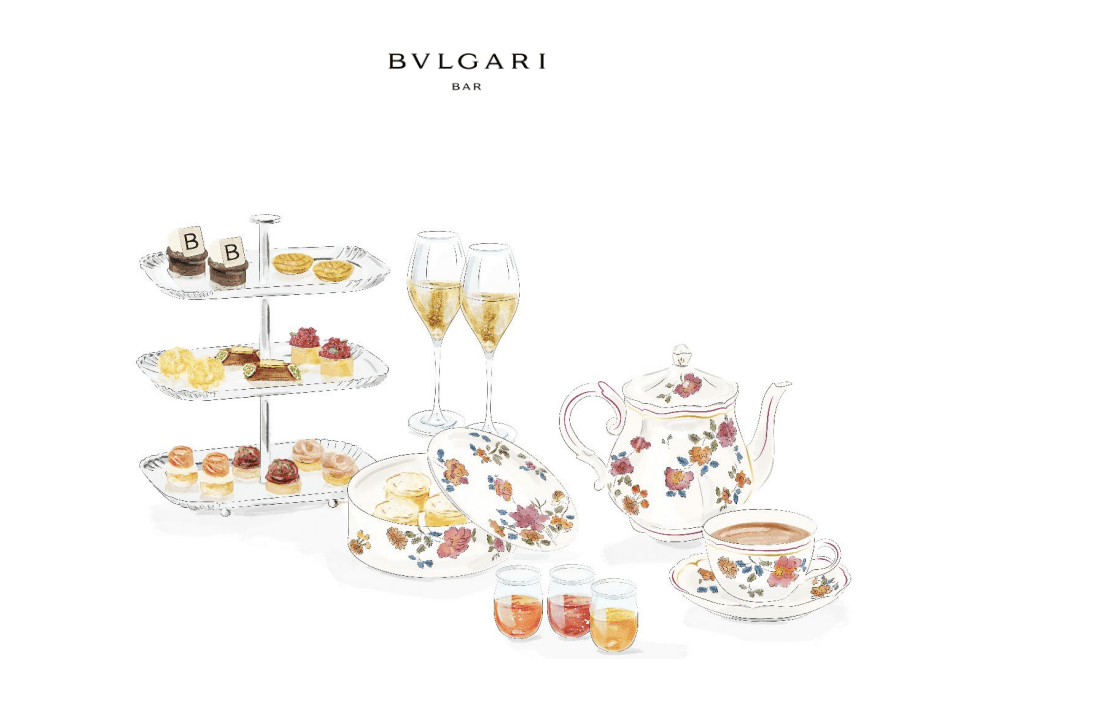
When the platter arrives at the table, eyes light up and appetites are whetted! Small porcelain plates with floral patterns are set before each guest, the teapot is steaming, all amid the cozy atmosphere of the Bulgari Lounge.
The experience begins with a soft scone with a delicate orange flavor, accompanied by an assortment of mascarpone, honey and jam. Then it's on to the platter and savoury bites, three sweet treats including the now-ubiquitous Bomba with vitello tonnato. Next, five Italian pastries.
Cannoncino alla crema pasticerra from Piedmont is presented here in a version with Bronte pistachios. The Baba au café is enhanced by a 12-year aged rum, while the Tartelette mimosa refreshes the palate with its lemony notes.
Pause before savouring the gourmet Cannolo Siciliano topped with ricotta di buffala and organic pistachio, and rounding off this high-flying tasting experience with the stunning Maritozzo with stracciatella: a divine brioche with a soft, melt-in-the-mouth texture, topped with mascarpone chantilly and chocolate shavings. And to conclude that tea time at the Bulgari Hôtel Paris is not just a moment of pure indulgence, but also the epitome of Italian elegance and savoir-faire. A magical experience.
Bulgari Hotel Paris
30 Avenue George V, Paris8th arrondissement
01 81 72 10 80
Tea Time: Friday through Sunday, 2:30 p.m. to 5:30 p.m.
(starting at €75 per person).
The Origins of Tea Time
Originating in England and created by high society, tea time is now known and enjoyed by everyone, and the finest luxury hotels—such as the Bulgari Hotel—offer a variety of delicacies and creations, each more refined than the last, combining sweet and savory bites during “afternoon tea.” To understand its origins, we must go back to the 19th century, to the time of the Duchess of Bedford. At that time, this hot beverage was already very popular across the Channel, and the British enjoyed several cups of it each day. Some, like Anna of Bedford, were in the habit of accompanying their afternoon cup of tea with a small pastry or other treats to tide them over until dinner. The duchess then made it a habit to invite her friends to share this moment. Elegant attire and beautiful tableware were brought out for the occasion, which had become an unmissable event.


