Capucine Gougenheim Geagea
Michael Malapert's Travels
In the suitcase of the architect of the blank page
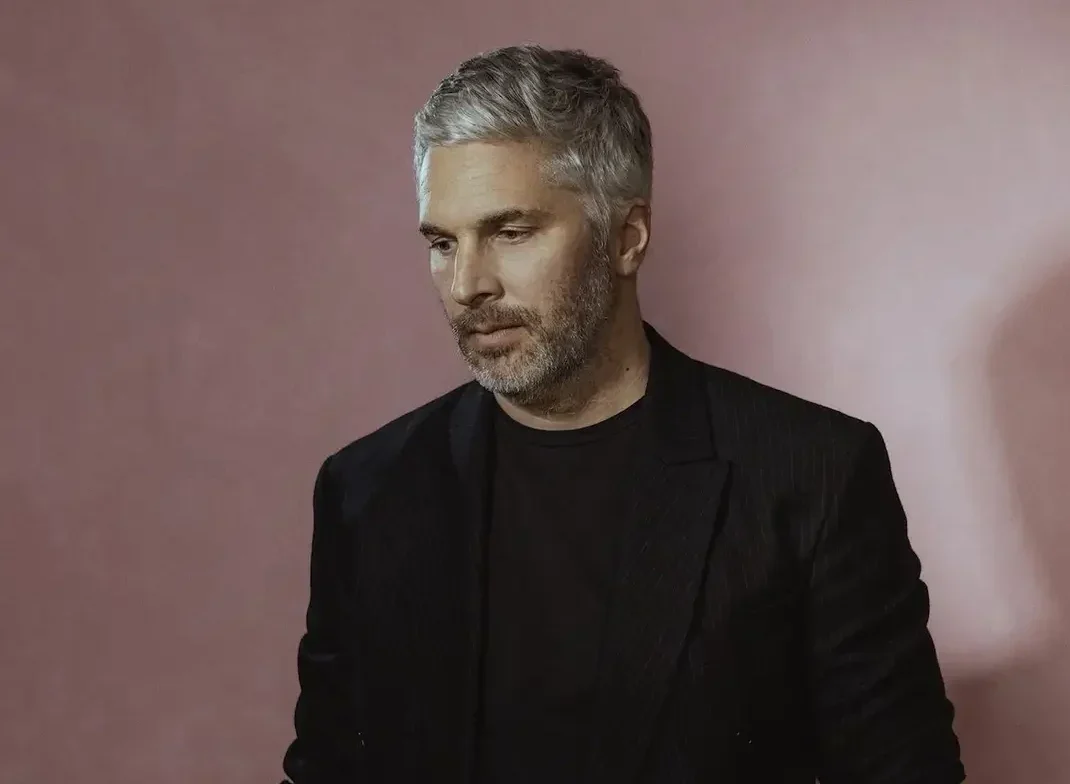
Michael Malapert is a magician with a blank page - the blank page on which he designs the hotels, restaurants and venues that his customers entrust to him, so that he can realize their desires and build their worlds.
The architect, who prefers to let his clients express themselves rather than impose a style, has chosen to remain in the background to highlight the characteristics of the desired locations, and to personalize the new establishments he is asked to create.
From the Boudoir des Muses, freshly inaugurated this winter in the Marais district of Paris, to the Renaissance hotel in Bordeaux, he is not afraid of a great stylistic departure. Quite the contrary, in fact.
"It's their story that we tell, their context that takes us towards an architectural language and brings us back to more interesting creative work. It's almost like starting again from a blank page, which is the whole point of our work: to create places that resonate with their environment".
Michael Malapert talks to us about his latest travels, during which he draws his inspiration both from his beloved and indispensable Provence, where he recharges his batteries, and from faraway lands, far from the crowds, that he loves to discover with his tribe, always in search of the natural reserve, the ideal forest, the preserved natural horizon.
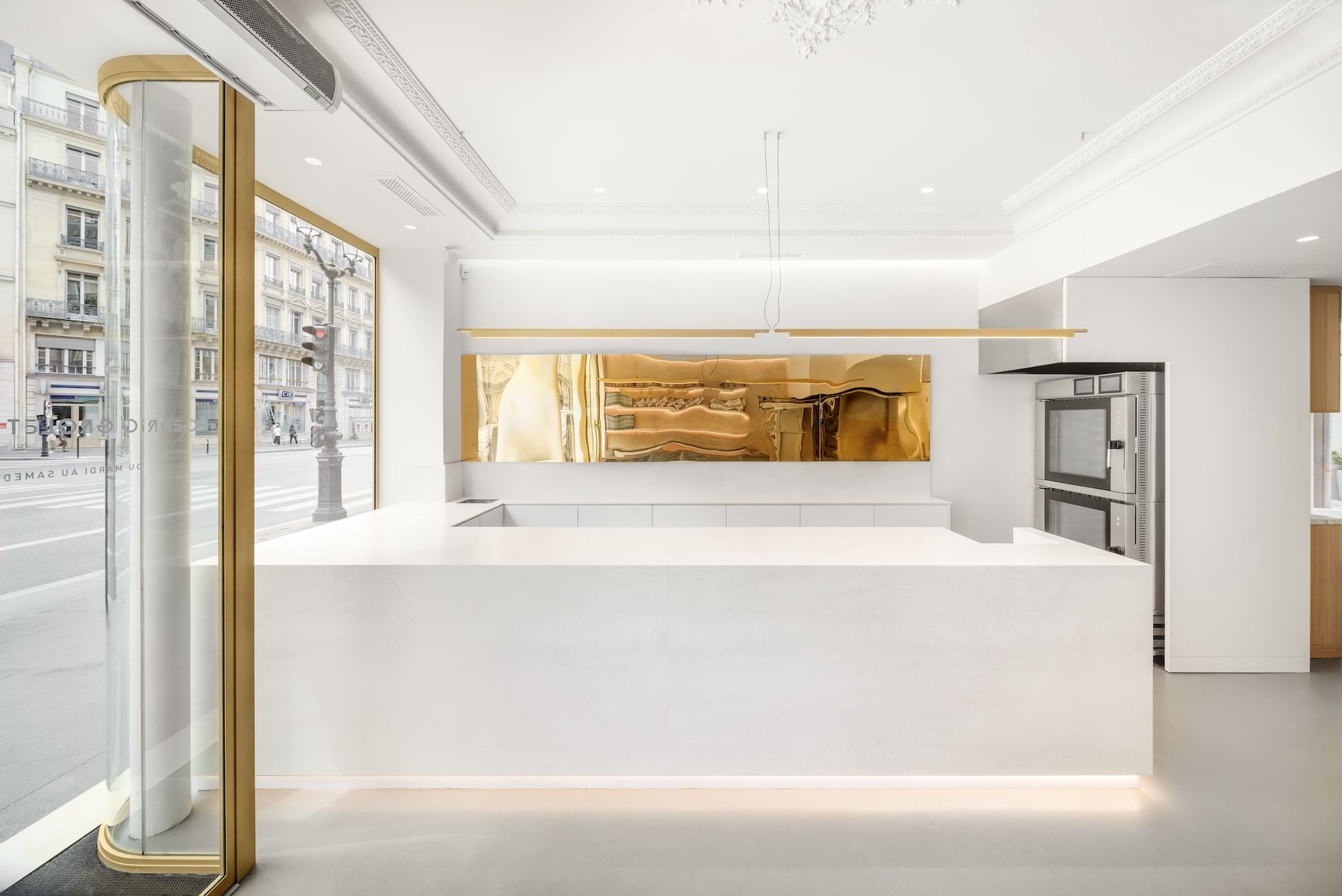
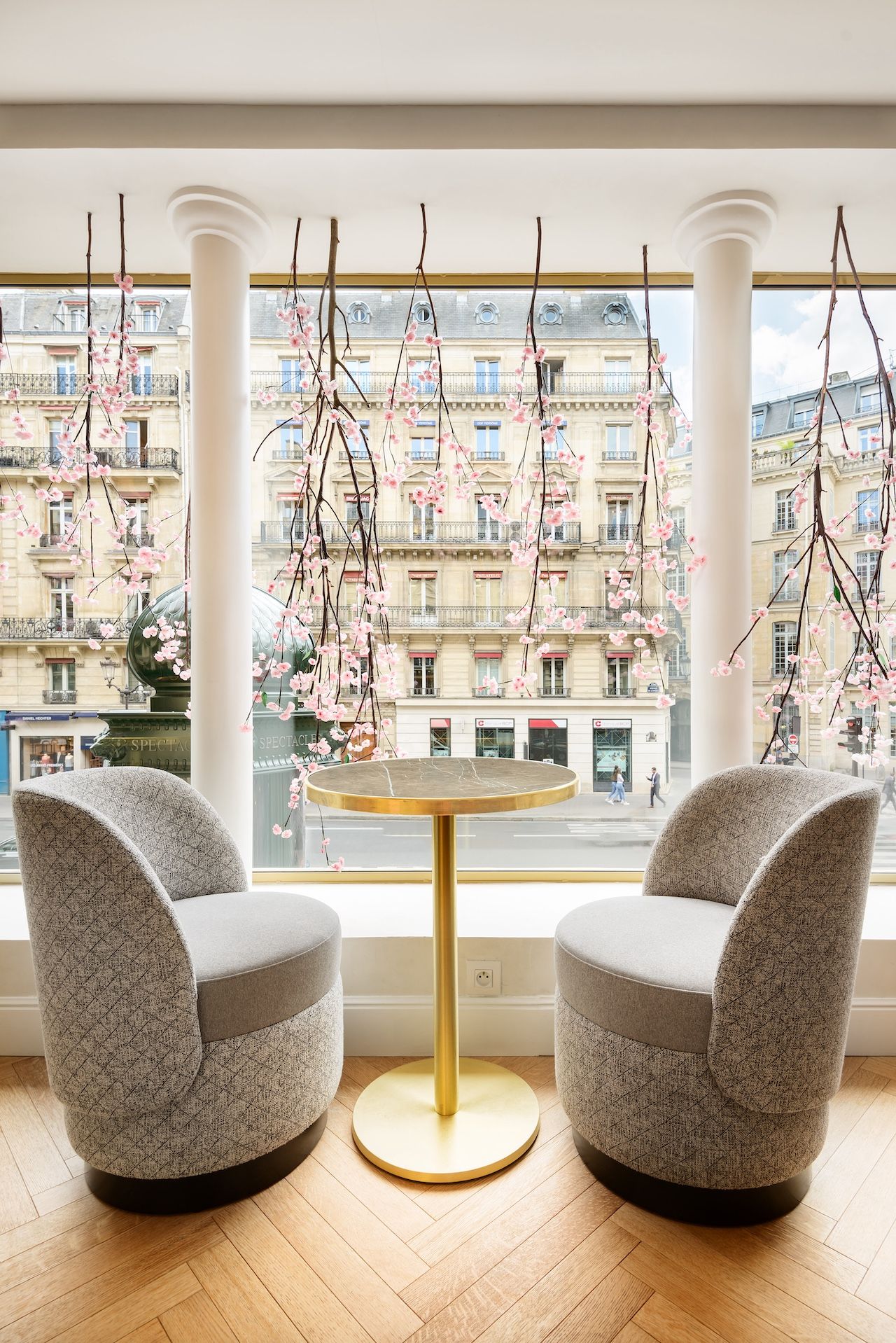
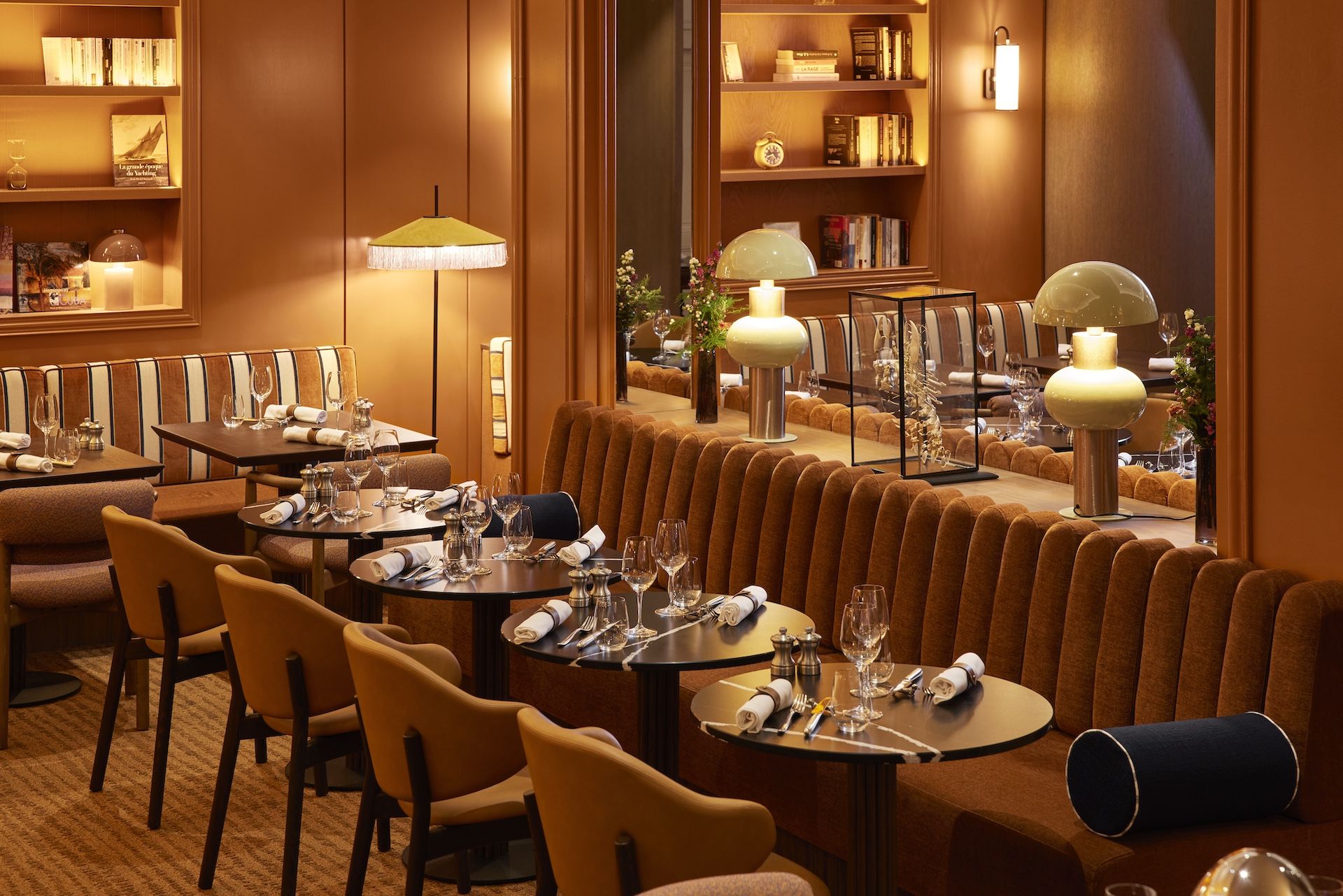
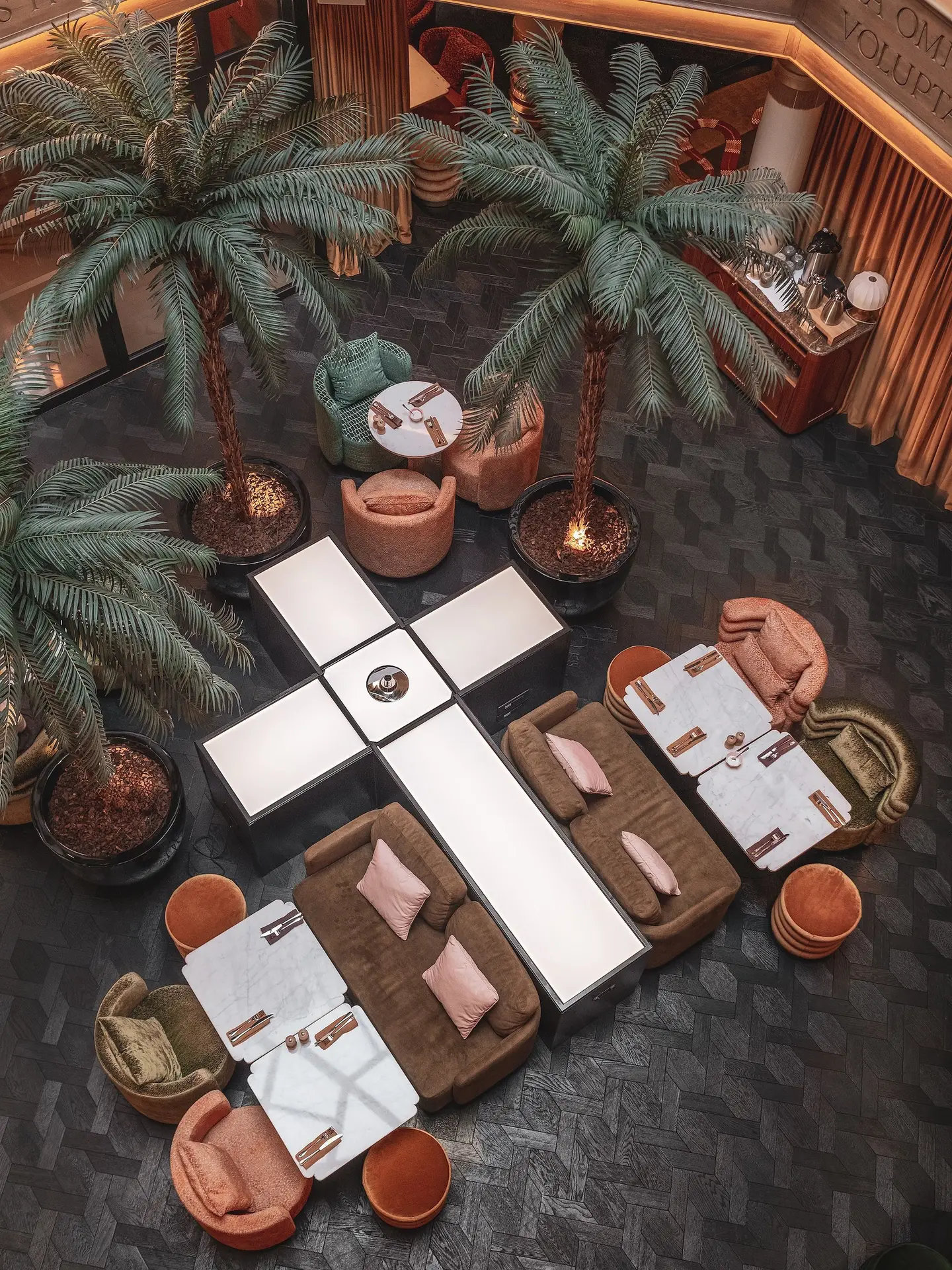
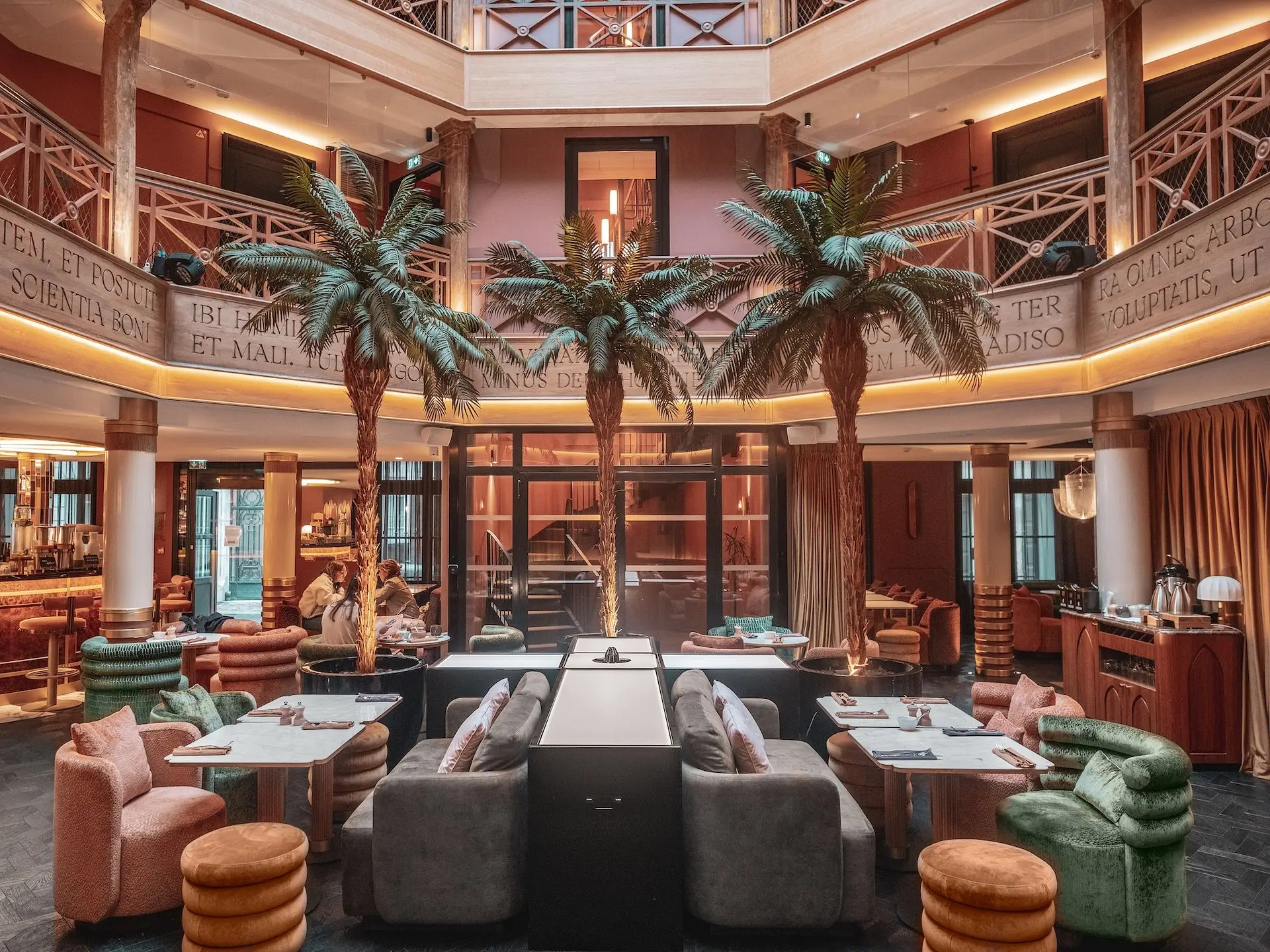
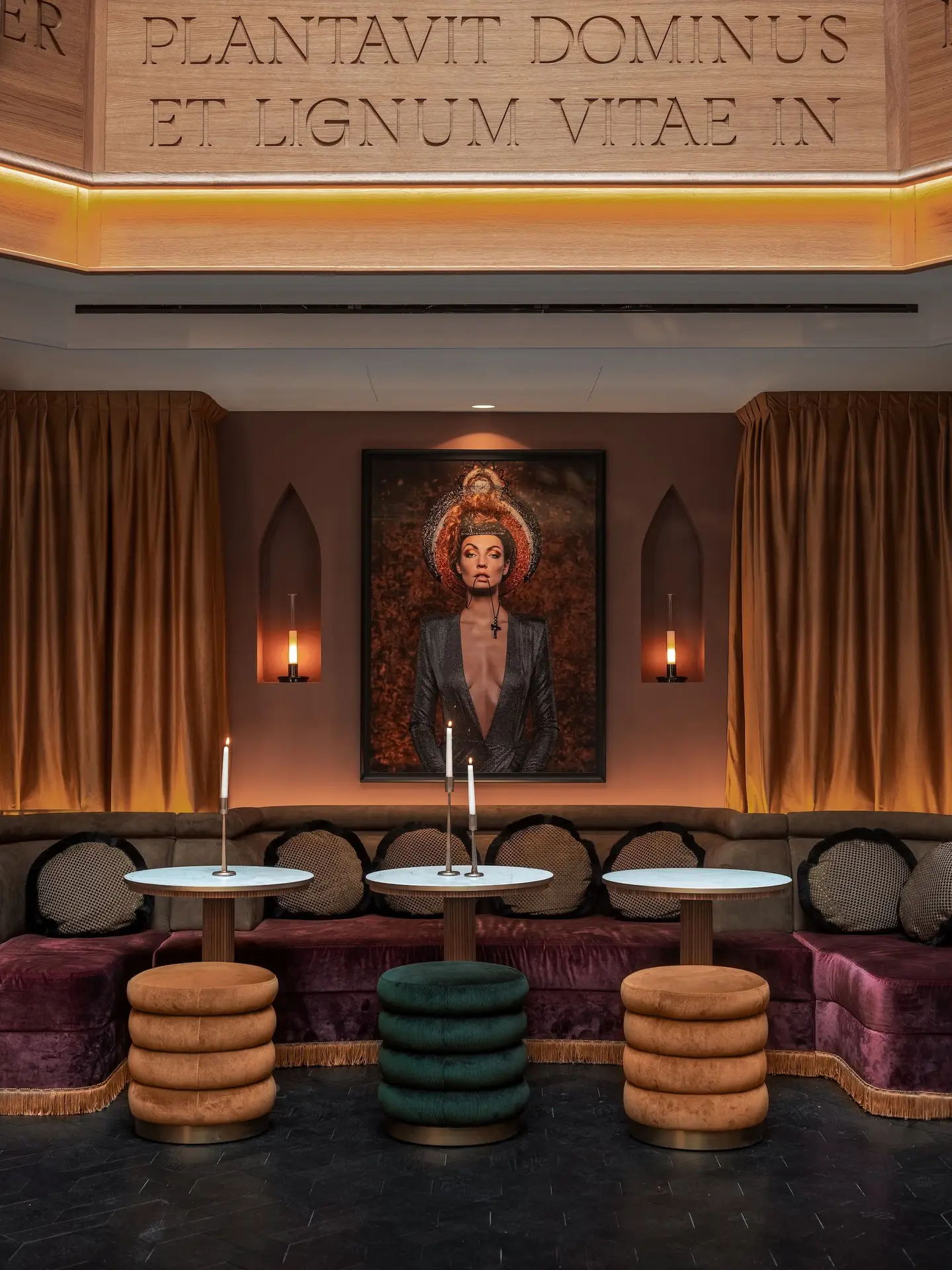
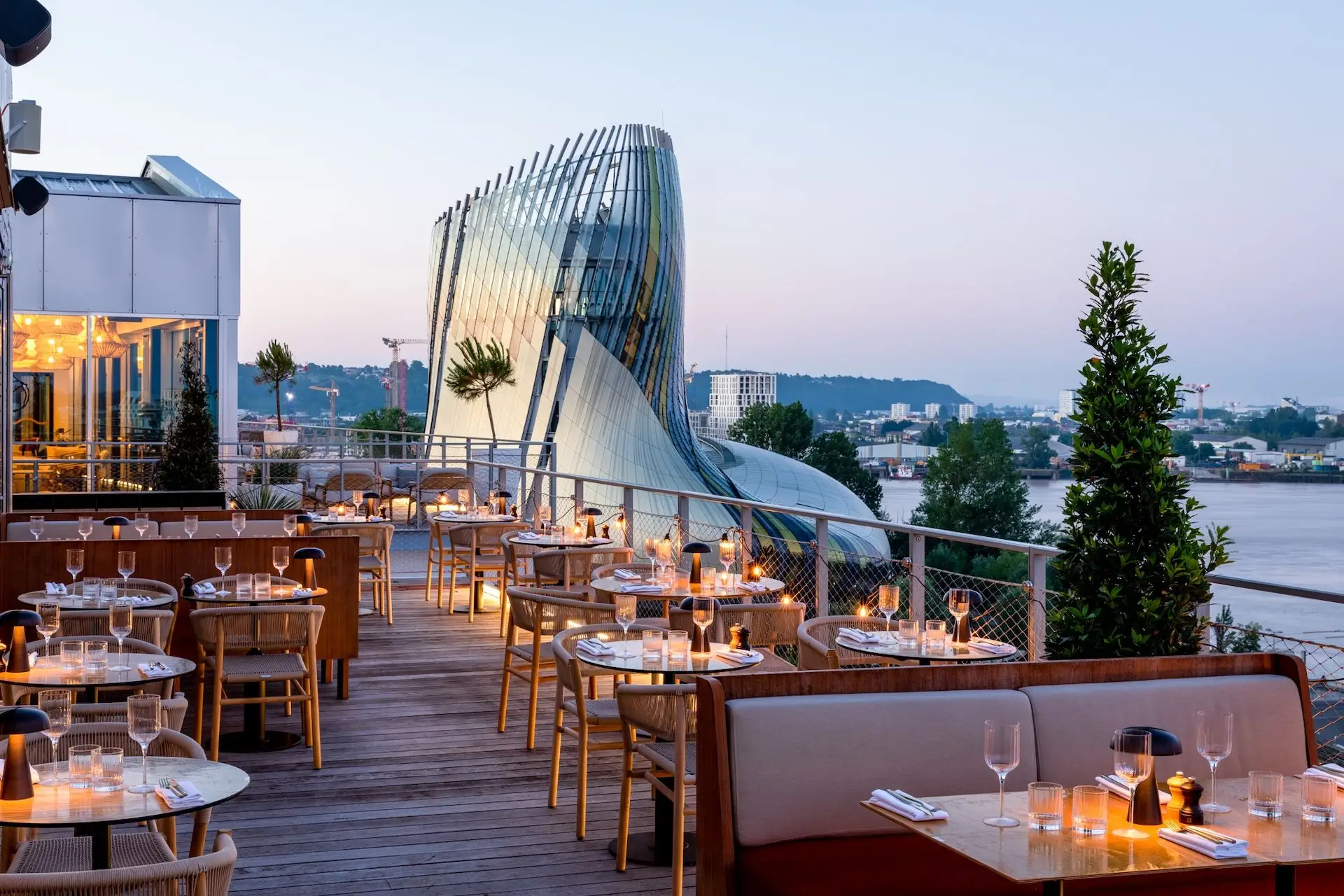
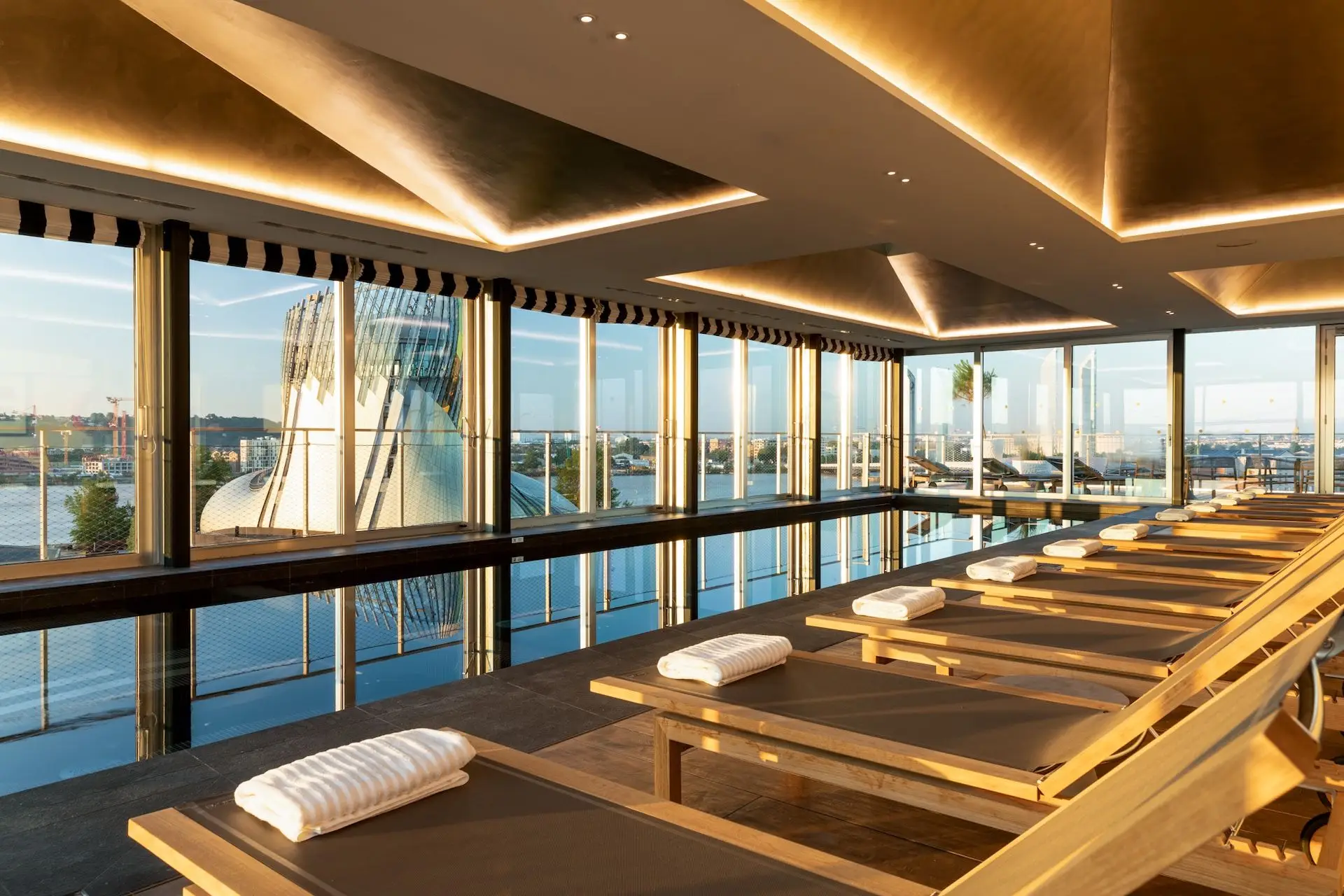
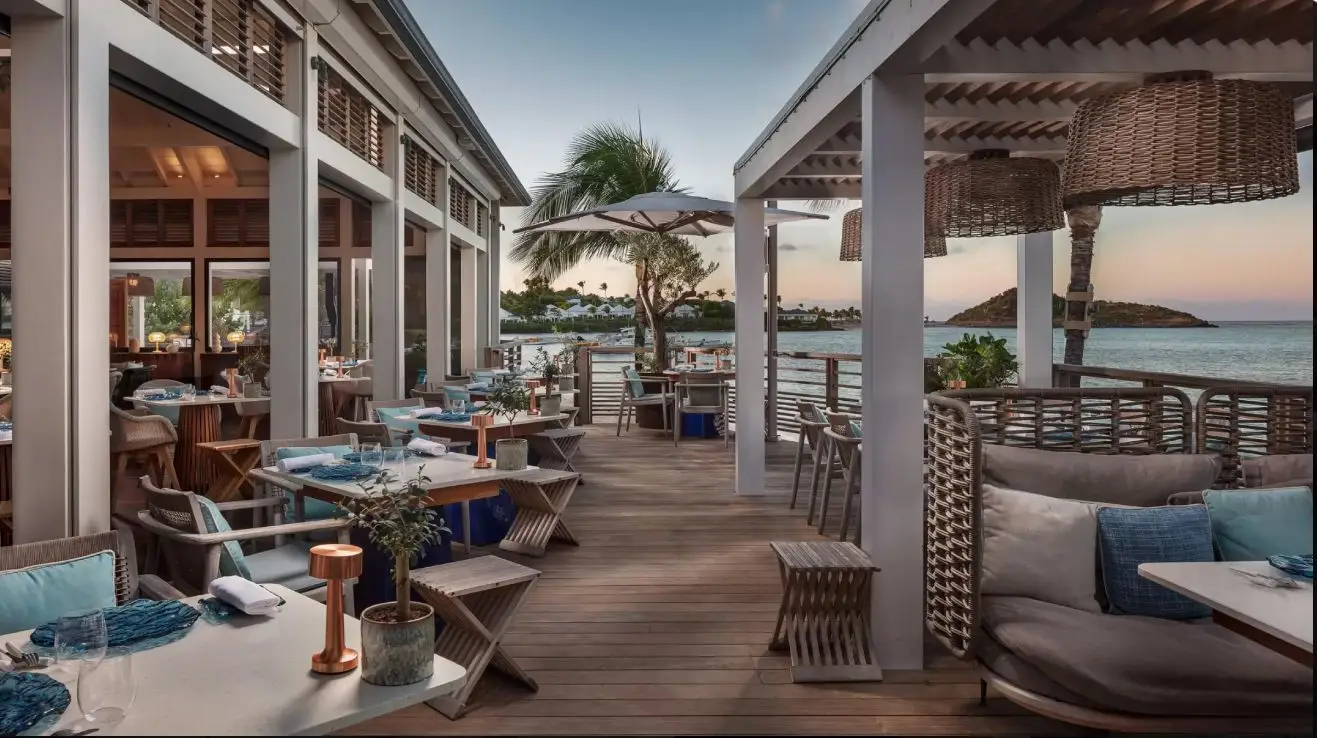
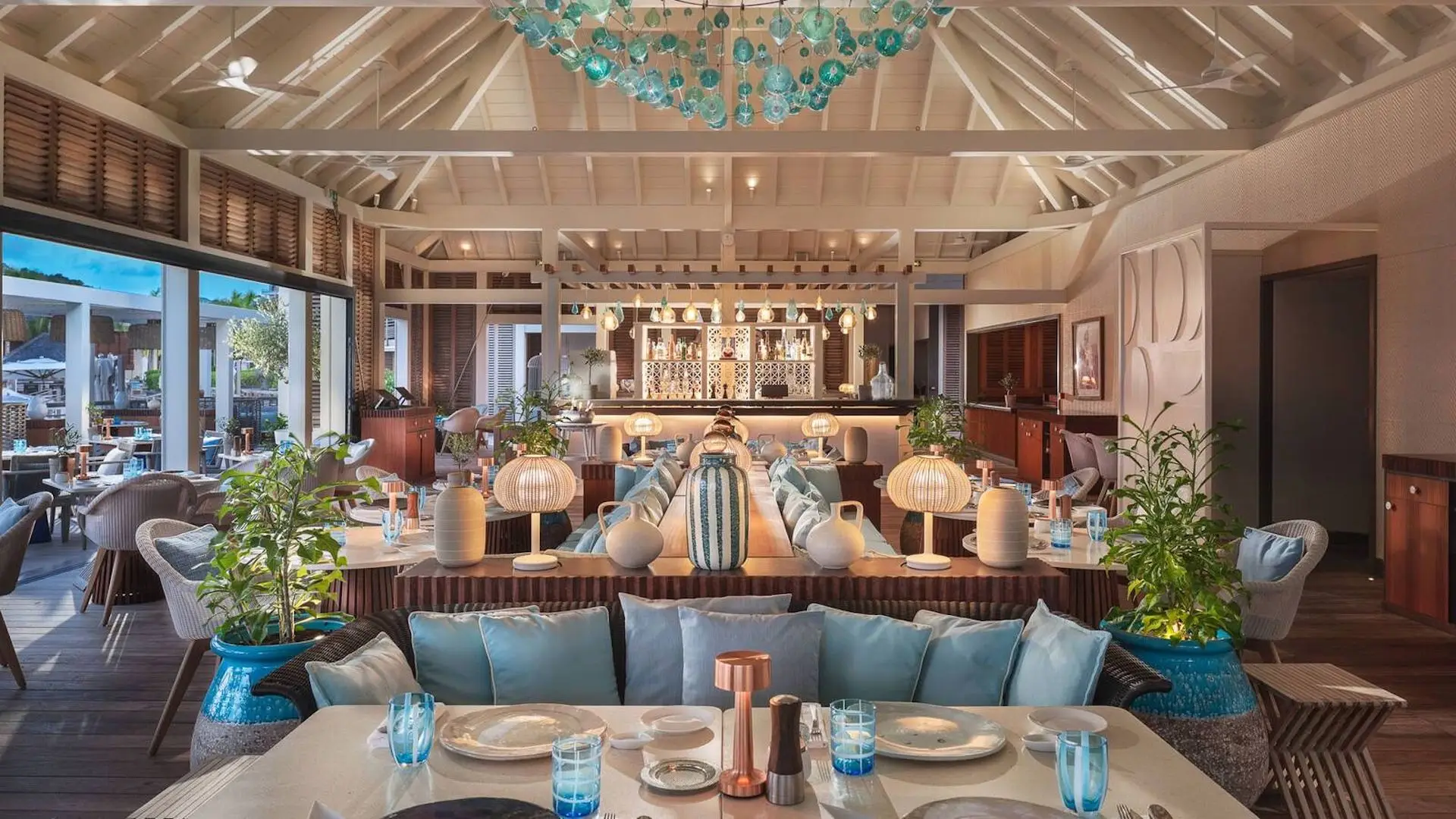
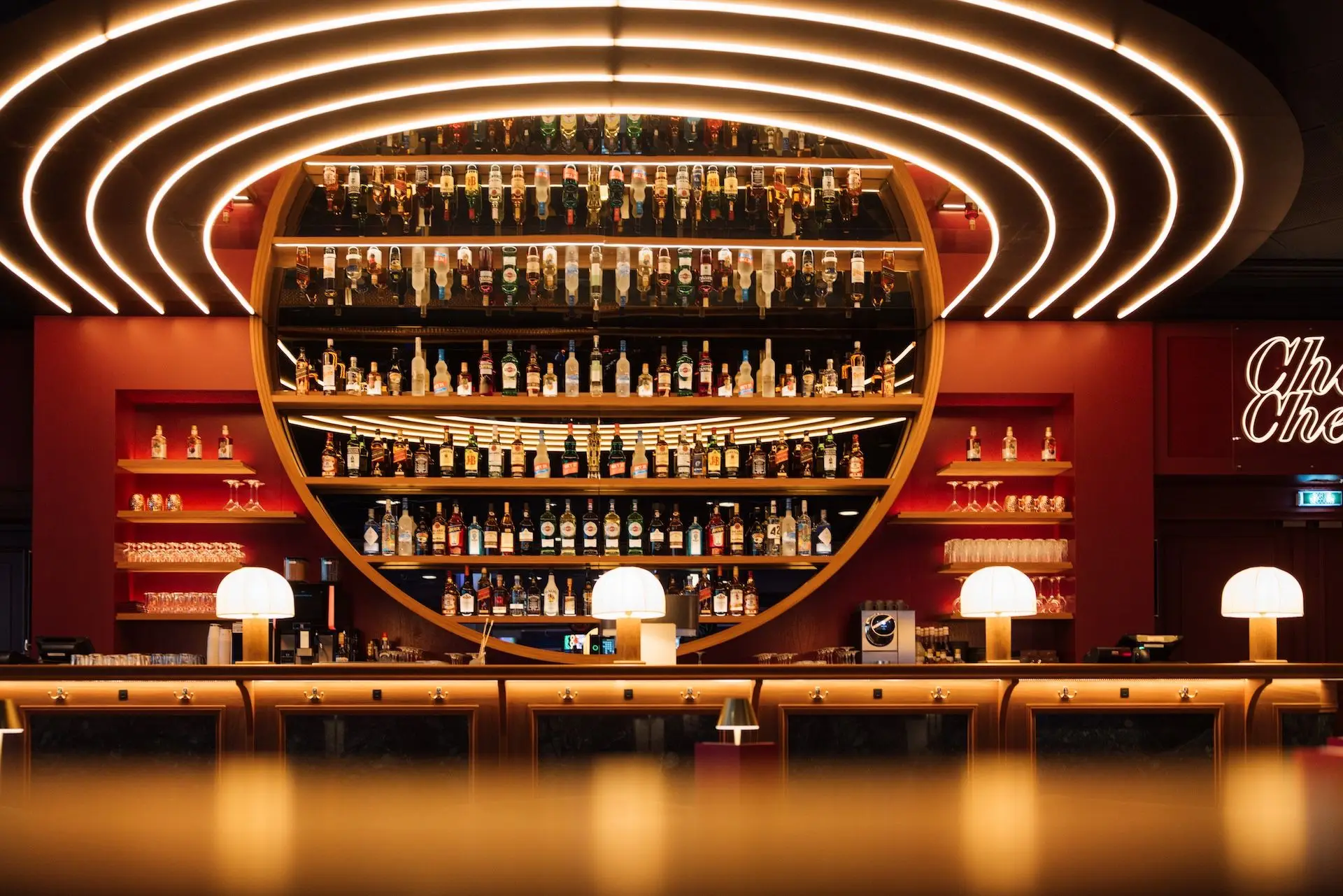
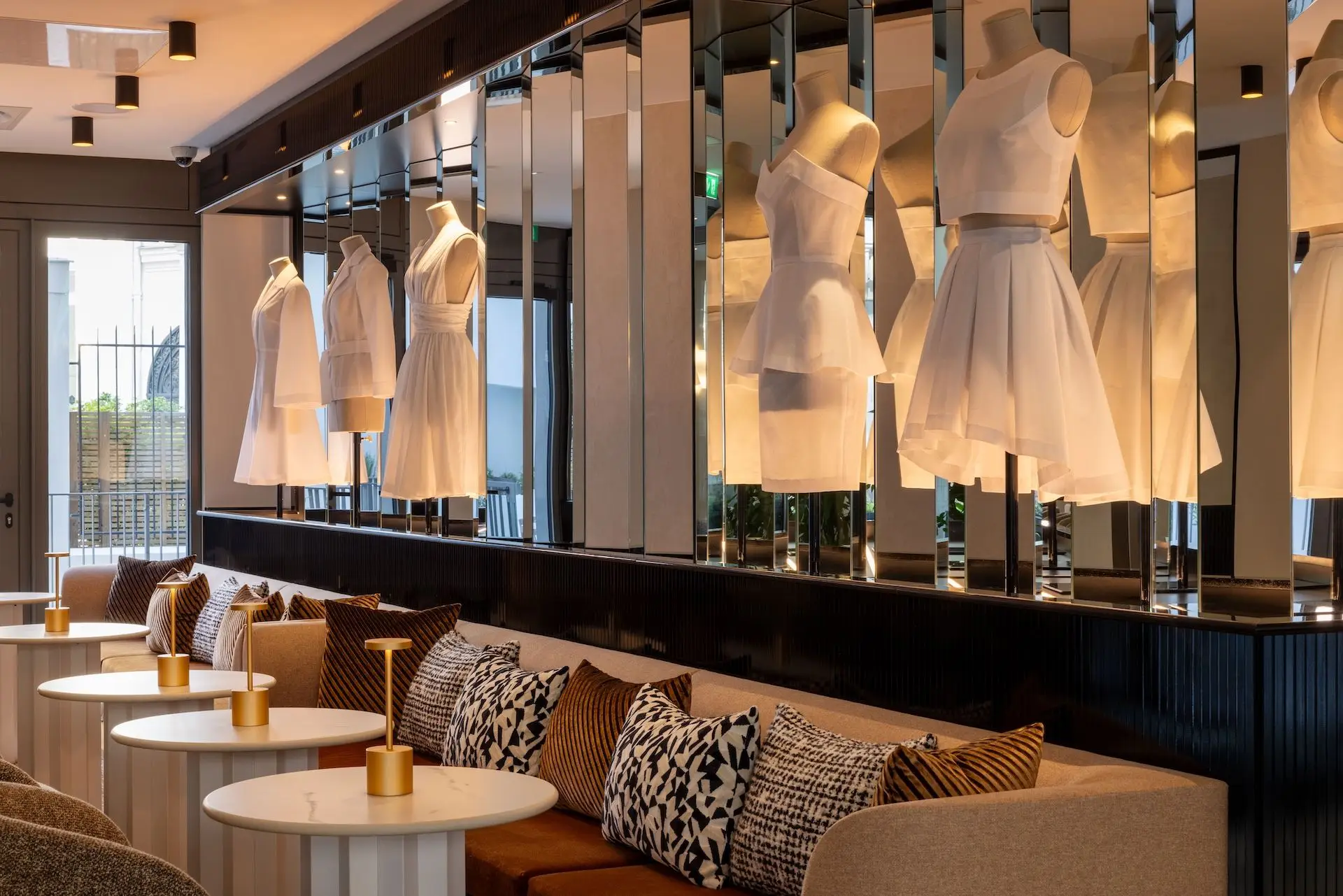
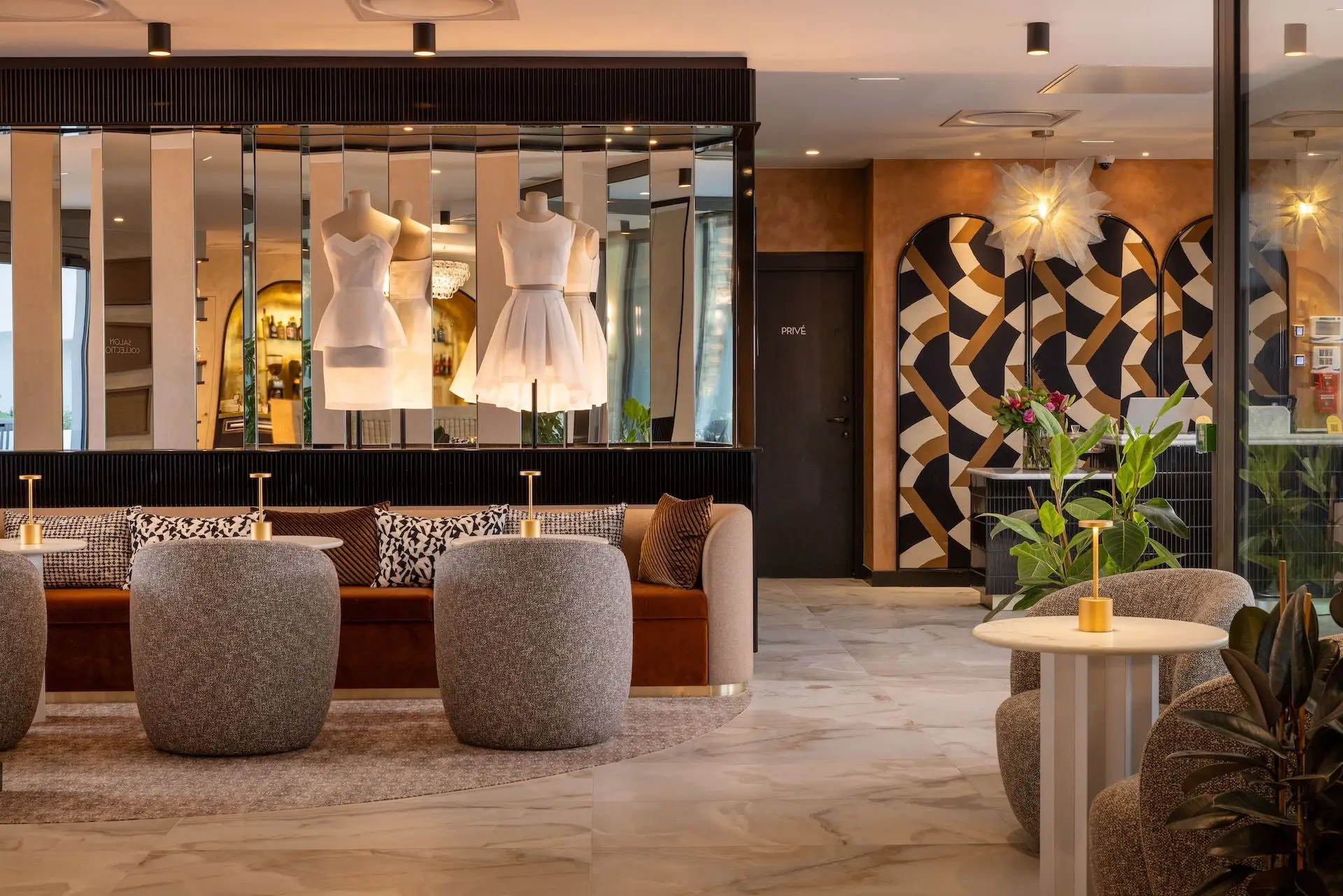
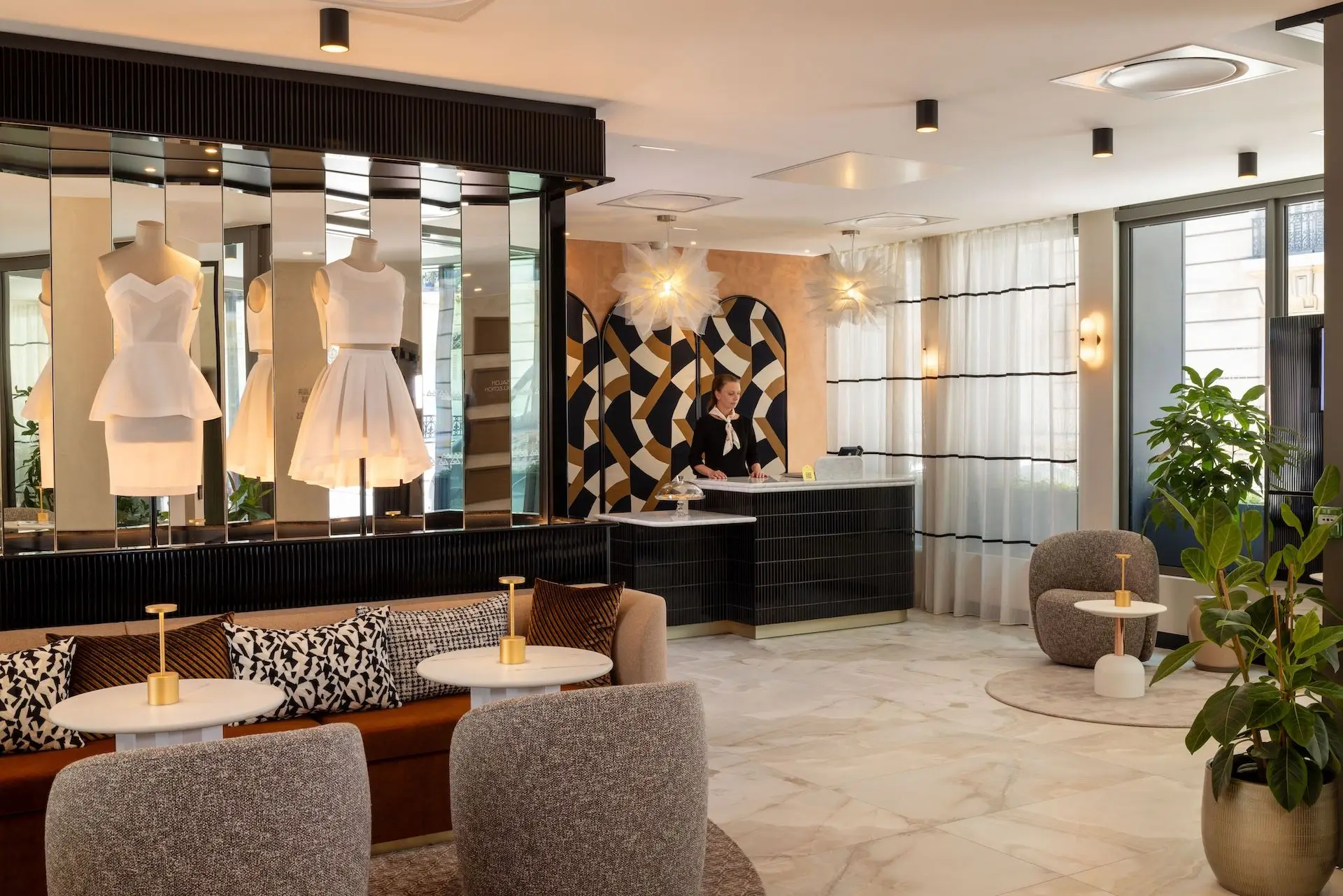
Interview: Michael Malapert's travel inspirations (in the photo carousel, his creations)
Michael Malapert, tell us about your latest news.
Today we have projects in Greece, Nice and Madrid.
The next opening will be a hotel in Madrid for a group called Boisset, a French family office with around a hundred hotels. For example, they own the Hôtel Renaissance in Bordeaux, housed in former silos that have been completely appropriated by the Bordeaux community.
We recently opened the Boudoir des Muses and the Maison Hamelin in Paris.
Yes, I like atypical projects, I like finding a history that isn't necessarily the expected one. For example, the Boudoir des Muses used to be a brothel, a convent, a theater.
For us, it's magnificent. The story was perfect for digging into and gave us a great start.
What does the word "travel" mean to you?
Escape, adventure, but above all artistic inspiration and breathing, synonymous with relaxation and release. Travel nourishes me. I like to travel to lots of different places. I've traveled a lot in Asia. I love Asian culture; I've been to China, Malaysia and Vietnam.
What I love is visiting hotels and restaurants, of course! But it's also about discovering the culture and crafts of a country and finding inspiration in all those areas.
Your last trip?
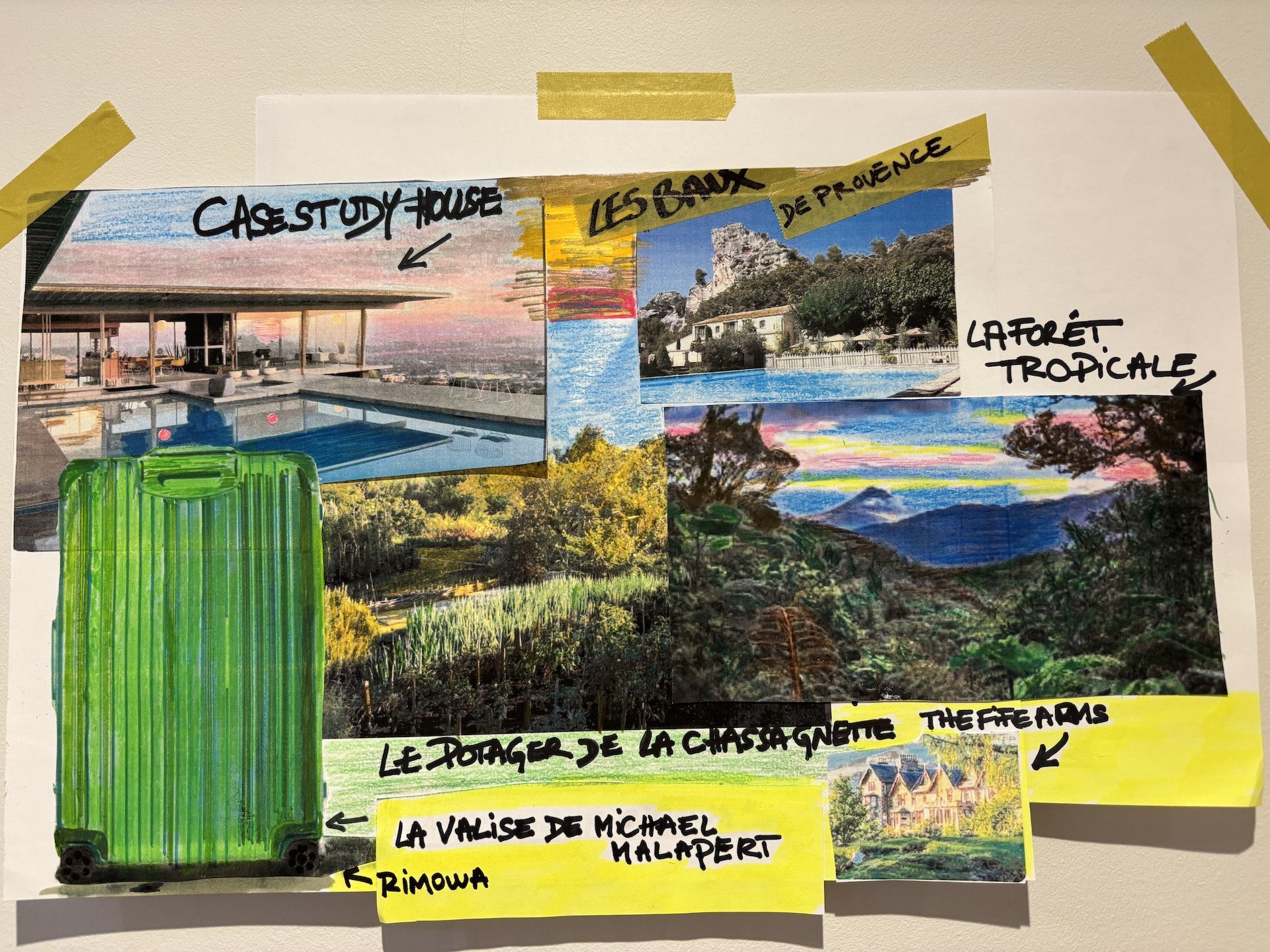
I was in Scotland during the All Saints' vacation. And there's a hotel called the Fife Arms, which is lost in the middle of the Highlands. A Scottish manor house with incredible works of art in the middle.
Very beautiful. A real slap in the face.
It's the environment, the landscape, there's a special atmosphere that settles in right away.
And then there's a hotel I like in Madrid, the Madrid Edition. You walk into the lobby and see this sculptural staircase. There's no one to greet you, no desk with people behind it.
You arrive in front of an architectural gesture, in this immense lobby with nothing but this incredible staircase that greets you with a magnificent gesture. It's the staircase that says "Welcome". It's quite daring. It's very beautiful.
Your favorite addresses around the world? Your favorite destinations and hotels?
Provence because it's my ecosystem. I have a house there, in the Provence of the land that is my Provence.
I love Madrid for its creativity and energy, its gastronomy and this hotel, the Madrid Edition, for its staircase. Asia for its change of scenery.
Tell us about your most memorable trip?
I've been to Guadeloupe when we're doing the Clud Med village.
I love primary rainforests, because there's a feeling of losing your bearings in the forest, a feeling of total immersion in a wild environment.
I've experienced this in Malaysia, in Guadeloupe in primary forests that are virgin forests.
It's quite a destabilizing experience, because you're really in a wild environment, and that's a real journey. You arrive on a road, you're still within the codes you know, and all of a sudden you enter the forest and experience something you're not used to today. There's no human presence, immersed in the wilderness, and you lose your bearings.
Your best dining experience?
At Baumanière (member of Relais & Châteaux) with chef Glenn Viel (three Michelin stars) and La Chassagnette (one Michelin star) with chef Armand Arnal, near Arles, in the Rhone delta.
There, too, you're immersed in a particular context, a natural scenography.
I'm thinking of Baumanière, with its view of the village of Les Baux-De-Provence from a height. An experience every time in a magnificent natural setting
At La Chassagnette, there's a truly incredible vegetable garden, one of the most beautiful I've ever seen.
Everything prepared for the table comes out of the garden the same day. It's a way of doing things that we're not really used to in the city these days: eating fruit, vegetables and herbs straight from the garden. It's really part of the experience to wander around this incredible kitchen garden.
There are 4 full-time staff who look after this kitchen garden. We stay at the table for four hours, and it's a parade of dishes, a festival of flavors.
I find that it's even more striking because these are places that immerse you in a context, like the Camargue for La Chassagnette or the Beaux de Provence for Baumanière, which have a strong personality. Food is even more in tune with the environment.
In Asia, it's the street food and markets of Bangkok, for example, that have made the biggest impression on me.
The architecture that most impressed you?
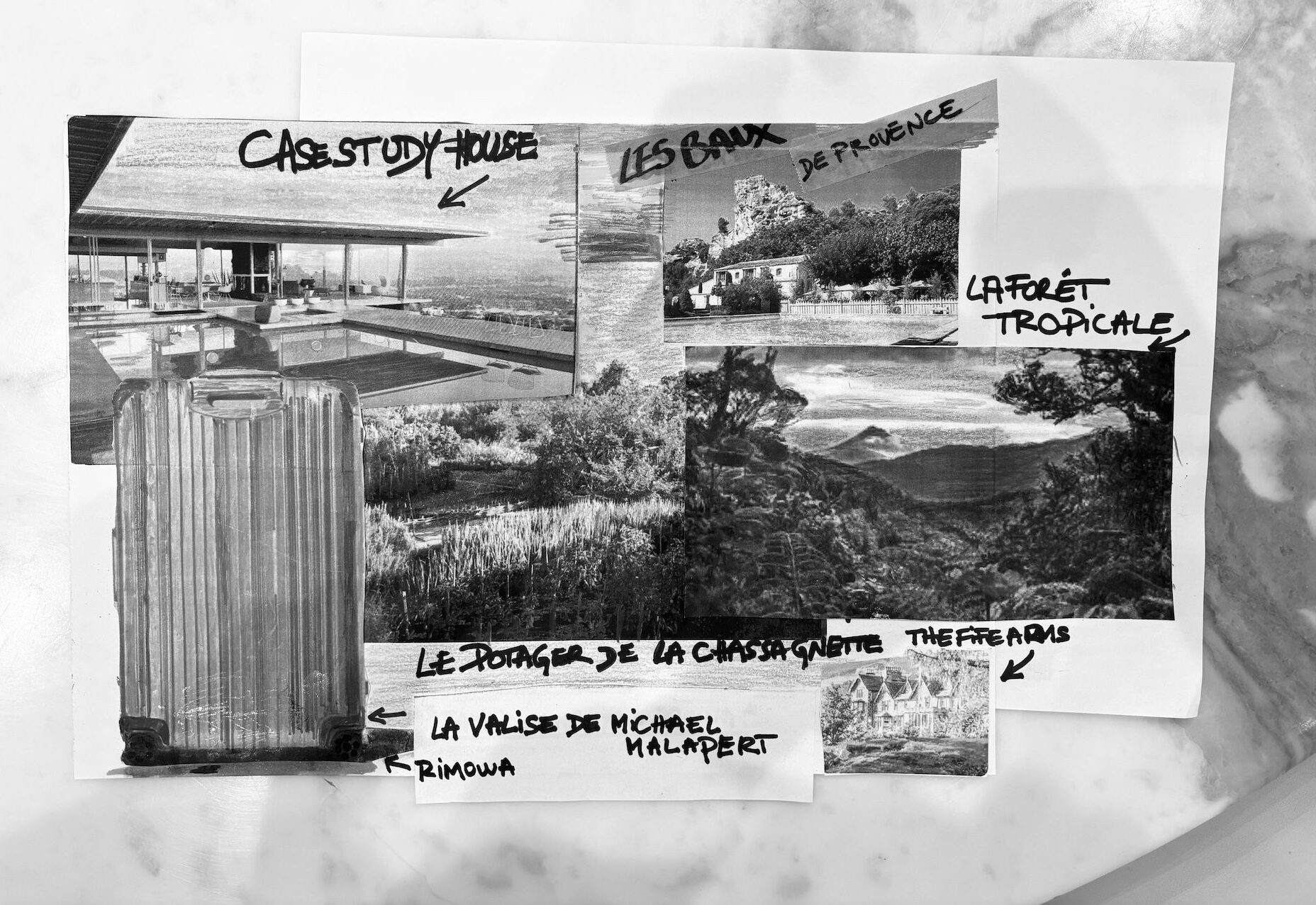
I like Californian architecture, the Case Study Houses. These are structures found in cities like Palm Springs or Los Angeles, fairly light metal structures with large bay windows. What I like about them is that there are no boundaries between indoor and outdoor spaces. There's a feeling of already being outside, even if you're still in the house, a feeling of being inside outside. It's an idea we find a lot in our projects. Spaces are designed and structured, but there's an integration of the landscape into the life of the house, and a blurring of the boundary between inside and outside.
Do you prefer trunks, suitcases, travel bags or no luggage?
Never without my Rimowa! 😉. I have suitcases. Very structured. I haven't found a better way to travel than Rimowa. It's light, it's super practical, it's solid. The bearing is incredibly efficient. If there's a problem, you go to the store. They'll fix it in two minutes.
For another suitcase, you need twice as much strength to move it. This one lasts a long time. And it absorbs the shocks that can occur in airports. It's a worthwhile investment to have a good suitcase. When traveling, a bad suitcase can weigh you down and ruin your entire experience.
I know what I'm talking about, because it's already ruined a trip for me!
You need a good suitcase to realize that. In fact, I'd love to pack a suitcase!
Globe-trotter or motionless traveler?
Globe trotter, but the two complement each other: the physical journey enriches the immobile journey of the mind. Creativity is a journey in the mind. Creation comes from inspiration, emotion and the senses, and you draw on your travels left and right to nourish your spirit.
Do you prefer beach or asphalt?
Between the two, I have a particular affection for the land of Provence, with its lavender, olive trees and cicadas.
I love the Mediterranean side of things.
An essential item in your suitcase...
It's not an object, but I take advantage of downtime when I'm traveling to listen to podcasts on lots of different subjects. There are quite a few moments in airports, travel, recordings ... during which the brain is available to open up to new subjects.
What do you bring back from your travels?
Materials, books, crafts, objects. From Scotland, I brought back a plaid in Scottish wool. And peated whisky.
How would you define the ideal trip?
Tribal trips.
With my parents and brothers, every 2 years we go somewhere where it's warm or there's the sea, or there's a beach. As a joke, that would be a trip without my children (laughs), but in reality, every two years we do it with friends, renting a big house by the sea to get together.
I like this temporary community aspect. Community in the long term isn't necessarily a good idea, but in the short term it creates richer memories, especially for the kids.
So tribal trips with family or friends too.
Next trip?
I'm going to Athens, Madrid, Nice and Morocco, where we have a number of projects in the pipeline, notably with the Boisset group.
And on a personal note, we're in the process of organizing a trip with some friends to a house by the sea in the south of France.
And I'd really like to visit Burma, which is still unspoilt by mass tourism, or Costa Rica, where there's an unspoilt nature reserve.
What's the best travel tip you'd give Plume Travelss readers?
The ideal journey is one from which you return a little different.
So the advice would be to remain open to what the experience will provoke in you, to welcome this change. Free your mind to be receptive. When you come back from a real trip, you never come back quite the same.
Maison Malapert
Photo portrait © Laura Stevens


